

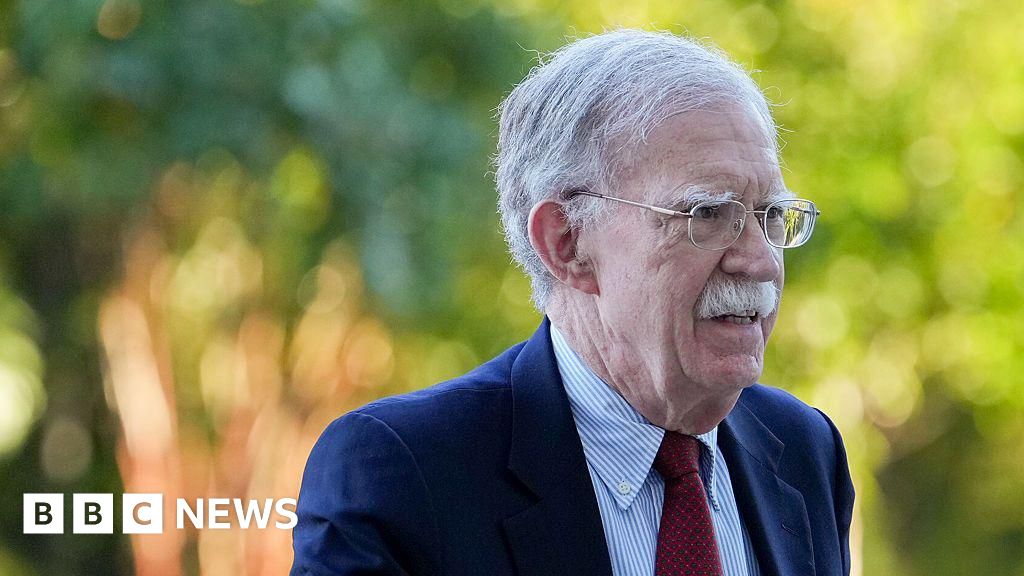
U.S. Justice System at Crossroads: Indictment of Former National Security Adviser Bolton Sparks International Debate
The recent indictment of John Bolton, former national security adviser to President Donald Trump, has ignited an international debate over the integrity and political impartiality of the U.S. justice system. Unlike earlier cases against figures like James Comey and Letitia James, which many critics argued were politically motivated, Bolton’s charges have raised eyebrows across the geopolitical landscape. Legal experts and analysts contend that this case potentially signals a shift towards more traditional, rigorous prosecutorial standards, especially given the serious nature of allegations involving mishandling classified information.
Historically, charges involving classified documents have been a rarity at the highest levels of government, making Bolton’s indictment a noteworthy departure from recent precedent. Prosecutors allege that he improperly retained and transmitted top-secret material—some stored via insecure means such as AOL email—and that he did so over an extended period. During his court appearance, Bolton pleaded not guilty to 18 counts, with some legal scholars suggesting that the evidence against him might be stronger than the cases previously brought against Trump or Biden. Officials argue that the procedures employed follow strict protocol, highlighting that the process might reflect a more impartial application of justice, regardless of political implications.
The geopolitical impact of this development extends beyond the courtroom. It signals to allies and adversaries alike that the U.S. is willing to hold even its own senior officials accountable for misconduct. As international organizations analyze this trajectory, many see it as a possible indicator that the era of selective justice—favoring political allies—may be waning. Former prosecutors emphasize that a conviction will require proving Bolton’s knowledge of the classified nature of the documents and his intent to mishandle them, focusing on legal norms that have often been glossed over in the politically charged past.
This case comes amidst broader international shifts where geopolitical tensions are intensifying, especially as countries like China and Russia seize opportunities amid the shadows of U.S. internal turmoil. Many analysts warn that such internal conflicts threaten to weaken America’s global standing, as critics argue that partisan battles over justice undermine coherence in foreign policy. Conversely, proponents contend that pursuing accountability at the highest levels bolsters America’s commitment to the rule of law, a move that could bolster its international reputation in the long view. As the world watches, the unfolding drama underscores the continuing struggle for domestic legitimacy and international credibility.
In the echo of history, this case reflects a pivotal chapter in the ongoing saga of American politics and justice. Will it serve as a warning to those in power that no one is above the law, or just another chapter in an era where political loyalties determine fate? As analysts debate the strength of the evidence and the fairness of the process, the weight of history’s gaze remains fixed on Washington. The decision made in courtrooms today will ripple across nations, shaping narratives about justice, power, and the enduring tension between the rule of law and the perils of partisan influence—an unfolding chapter in the grand story of a nation still striving to define itself amidst the tumult of global change.
















