Belém, Brazil — a City on the Frontline of Climate Politics
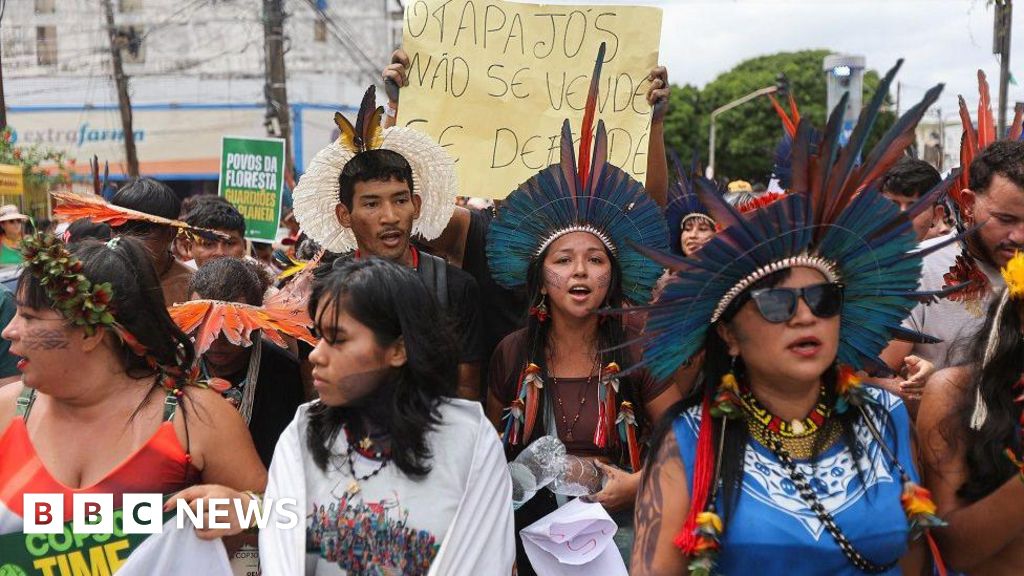
As World leaders convene at COP30 in Brazil, the city of Belém is currently witnessing a dramatic clash between international policy ambitions and grassroots activism. Thousands of climate protesters, energized by a palpable sense of urgency, have flooded the streets near the summit, expressing their frustration with what many consider the deliberate inaction of global powers. Carrying signs like “free the Amazon” and staging symbolic funerals for fossil fuels, these activists symbolize the deepening tension between environmental conservation and the economic interests that threaten vital ecosystems.
Amidst the chants and samba music, indigenous communities—regarded worldwide as primary stewards of biodiversity—have taken to the streets with banners urging for *”demarcation now”*, demanding legal sovereignty over their ancestral lands. The Amazon rainforest, often called the world’s “lungs,” remains a flashpoint for debate: while the summit’s hosts, led by President Luís Ignacio Lula da Silva, aim to showcase Brazil’s ecological commitments, recent actions have cast doubt on these promises. Mere days before the talks commenced, the Brazilian government approved oil exploration permits at the Amazon’s mouth—an act perceived by many as a betrayal of climate commitments and a sign of the country’s conflicting priorities.
Geopolitical Impact of Policy and Protest
The summit sees a record number of delegates from fossil fuel industries, totaling over 1,600 lobbyists, a 12% increase from last year, according to analysis by the coalition Kick Big Polluters Out (KBPO). This influx underscores the influence of industry interests in shaping climate policy—a reality that many young activists and analysts view as a clear obstacle to genuine progress. The absence of the United States from active negotiations, after former President Donald Trump labeled climate change a “con,” has further stymied efforts for a cohesive international strategy. Without the world’s largest economy participating meaningfully, experts warn that ambitious targets remain unattainable, endangering future generations’ prospects for climate stability.
International organizations and climate scholars emphasize that these developments threaten not only environmental sustainability but also geopolitical stability. As climate disinformation proliferates, efforts like the Declaration on Information Integrity signal a push to combat misinformation and promote facts-based policymaking. Yet, critics argue that vested economic interests often drown out scientific consensus, undermining the very foundation of real progress. Meanwhile, indigenous voices continue to be marginalized, despite their critical role in safeguarding ecosystems; many have set up stalls outside the summit’s fences, desperate to have their concerns heard, while security forces tighten their grip on protest zones.
How Decisions at COP30 Shape Our Future
Historians and analysts concur that the outcome of this summit could define the trajectory of global climate policy for decades. With ongoing negotiations focusing on how to implement existing commitments and fund adaptation efforts, the stakes have never been higher. Yet, the persistent tug-of-war between environmental righteousness and economic development exposes unresolved contradictions at the heart of international diplomacy. As the week progresses, the world watches with bated breath—questioning whether this pivotal gathering will ignite meaningful change, or become yet another chapter of official silence in the face of ecological catastrophe.
In these decisive moments, history continues to unfold beneath the Amazon skies, where the future of human civilization and the planet’s fragile ecosystems hang in the balance. The choices made in Belém today will echo through generations—an indelible testament to the ongoing struggle for justice, sovereignty, and survival amidst a rapidly changing climate landscape.