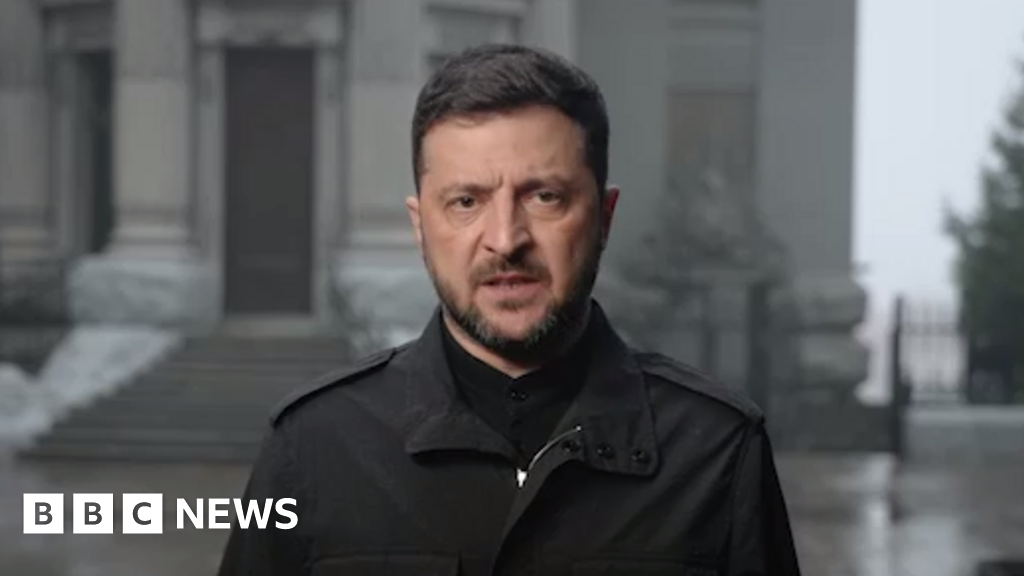
In a tense spectacle of international diplomacy and conflict escalation, Ukraine finds itself at a crossroads, entangled in a geopolitical turbulence that threatens to reshape the global order. Ukrainian President Volodymyr Zelensky has issued stark warnings, asserting that Kyiv risks the loss of critical US support over a controversial peace plan leaked from Washington. The plan—widely considered as heavily skewed toward Russian interests—calls for Ukraine to cede territories, significantly reduce its military, and forswear NATO membership. Zelensky, in a poignant address, underscored that Ukraine faces a “very difficult choice: either losing dignity, or risking the loss of a key partner,” revealing the internal crisis and mounting international pressure Kyiv must confront amidst ongoing conflict.
Meanwhile, Russia, under the leadership of Vladimir Putin, remains resolute in its aims despite mounting casualties and international criticism. President Putin, clad in military uniform, openly declared his commitment to the “unconditional achievement” of Russia’s strategic objectives—most notably, the full-scale continuation of the special military operation in Ukraine. Analysts and historians such as Dr. Elizabeth Moore from the International Institute of Strategic Studies have warned that Russia’s recent gains in southeastern Ukraine, though limited and slow, reflect a calculated effort to reshape the battlefield in Moscow’s favor. The Kremlin’s unwillingness to consider diplomatic concessions signals a dangerous gamble that could prolong the war and trigger unintended consequences for regional stability and global security.
Added to the complexity of this international chess game is the leaked US peace plan, a 28-point proposal that has ignited fierce debate. The draft suggests the withdrawal of Ukrainian troops from key eastern regions, de facto Russian control over territories, and a freeze on Ukraine’s southern borders—further solidifying Russia’s territorial gains. The plan also proposes a limit on Ukraine’s armed forces and hints at reintegration of Russia into the global economy, including potential lifting of sanctions and the reformation of the G7 into a G8, with Russia rejoining. Critics argue that such concessions could effectively capitulate Ukraine’s sovereignty, but Washington maintains it is a strategic move aimed at ending hostilities. The pivotal response from Kyiv, amidst strong nationalist sentiments, has been rejection and accusations of a plan designed “to continue the war,” stirring fears that negotiations are veering toward betrayal rather than peace.
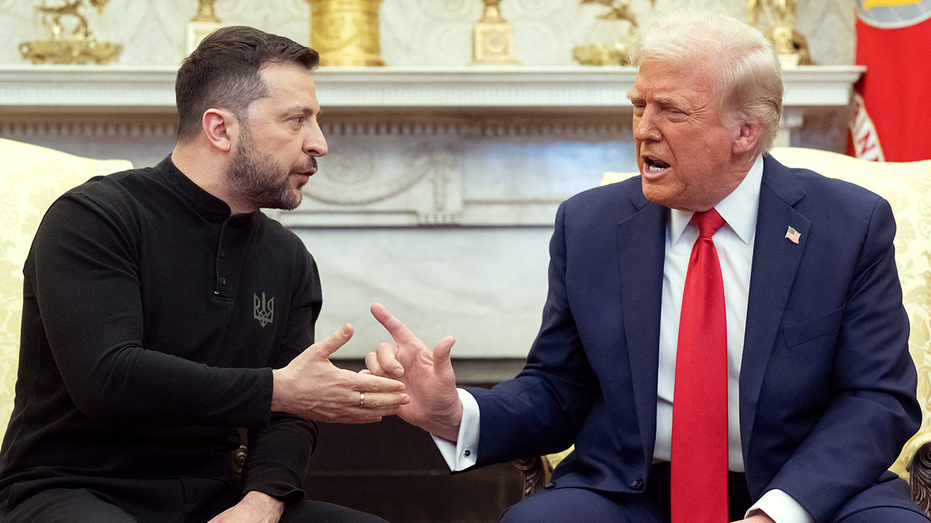
Beyond the battlefield and diplomatic arena, the wider geopolitical impact resonates through alliances and international order itself. The G20 summit in South Africa becomes a critical stage where world leaders, including Prime Minister Sir Keir Starmer and others, are scheduled to deliberate on the peace proposal, with some issuing warnings that time is running out for a meaningful resolution. Meanwhile, US President Donald Trump has thrown a wrench into diplomatic efforts, warning that Ukraine could lose further territory in a “short amount of time,” and insisting that Kyiv must accept a deal by late November or face unacceptable loss. Such statements underline a broader struggle: whether the West will continue to stand firmly with Ukraine or accept a new geopolitical landscape profoundly altered by concessions and strategic re-alignments. History is watching, its pen ready to inscribe whether this moment marks a turning point toward renewed peace or the ignition of a protracted conflict that will echo through generations to come—a reminder that, in the theater of nations, the weight of decisions today shapes the world of tomorrow.