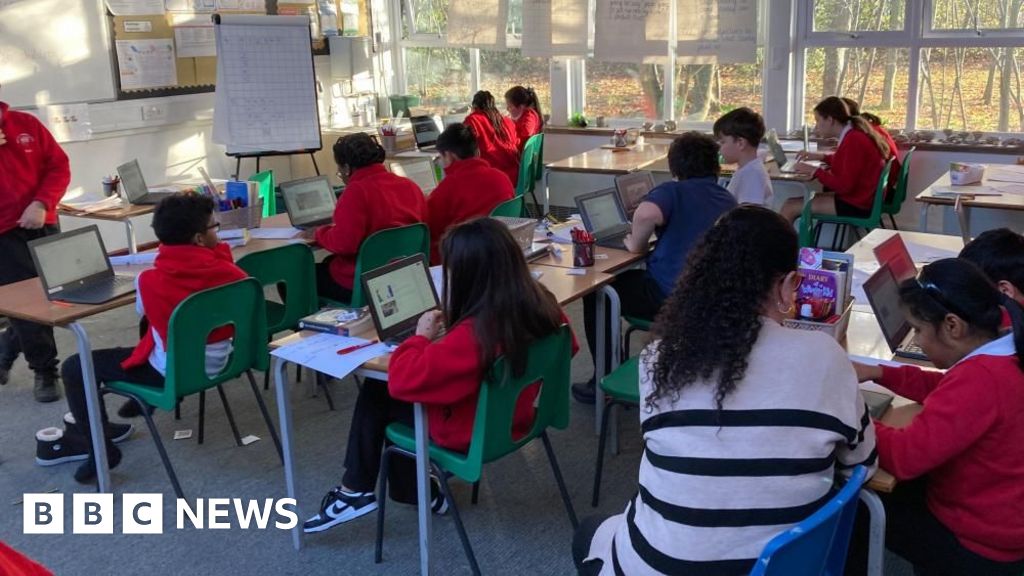
Across communities in the UK, a growing crisis in special educational needs and disabilities (SEND) support threatens to undermine the very fabric of inclusive education. As local authorities grapple with ballooning costs and a demographic shift towards greater demand for specialized care, families face the stark reality of limited resources and uncertain futures. Oxfordshire County Council exemplifies this trend, with a forecasted £153 million high needs funding deficit next year. To address this, the council is pioneering efforts to bring children with SEND into mainstream schools, aiming to reduce reliance on expensive private institutions, which can cost up to £64,000 annually per child.
But such solutions are far from simple. The financial pressures extend beyond just funding, affecting families, educators, and entire communities. As Oxfordshire seeks to expand its mainstream support, it faces the challenge of not only increasing funding but also fostering effective leadership and inclusive practices within schools. Paul James, chief executive of the River Learning Trust, emphasizes that creating truly inclusive environments requires more than policy adjustments; it demands ambitious, well-led teaching backed by adequate financial support. Without this, schools are compelled to make difficult cuts—reducing staff, resources, and enrichment activities—compromising the quality of education for all students, particularly those with complex needs.
- Research by sociologists such as Hannah Arendt warns that without social support and equitable funding, the marginalized—like children with SEND—risk being pushed further into social isolation.
- Historically, public education systems have reflected societal values; increasingly, the neglect of SEND funding signals that society’s priorities may be shifting away from inclusive justice.
- Local authorities are calling for clear government strategies to address mounting debts, as the current funding model, approved and kept off councils’ books, leaves communities vulnerable to fiscal crises and potential bankruptcy, which would have devastating ripple effects through local families and services.
Social issues surrounding SEND support profoundly influence families’ stability, educational equity, and community cohesion. As costs escalate—highlighted by the fact that mainstream school support costs around £10,000 per child annually—families find themselves caught between inadequate systemic support and the relentless demand for specialized care, further emphasizing the urgent need for reform. The societal implications go beyond economics; they are a moral question about the human right to equitable education and the societal obligation to nurture every child’s potential. As social commentator Michael Sandel argues, our collective moral core is tested in how we prioritize vulnerable populations; neglecting these needs erodes the fundamental bonds that hold society together.
Yet, amidst these daunting challenges, glimmers of hope emerge. Communities, educators, and policymakers recognize that collaborative, well-funded leadership is essential for meaningful change. With plans to add 340 specialized school places and reduce dependency on private alternatives, local authorities are aiming to rebuild a system rooted in fairness and accessibility. Leaders like Paul James insist that “children only get one go” at their education, and it is a moral imperative that society commits to supporting them fully. Ultimately, society’s capacity for resilience and reform will determine whether we can transform these challenges into opportunities—building a future where families, education, and communities thrive together in the embrace of genuine inclusion.
As society stands at this crossroads, the question remains: can our collective resolve turn the tide of neglect into a wave of hope and transformation? The future of our children—the very essence of society’s moral health—depends on the answer we choose to write today.