Success at a Cost: The Hidden Crisis in England’s High-Achieving Schools
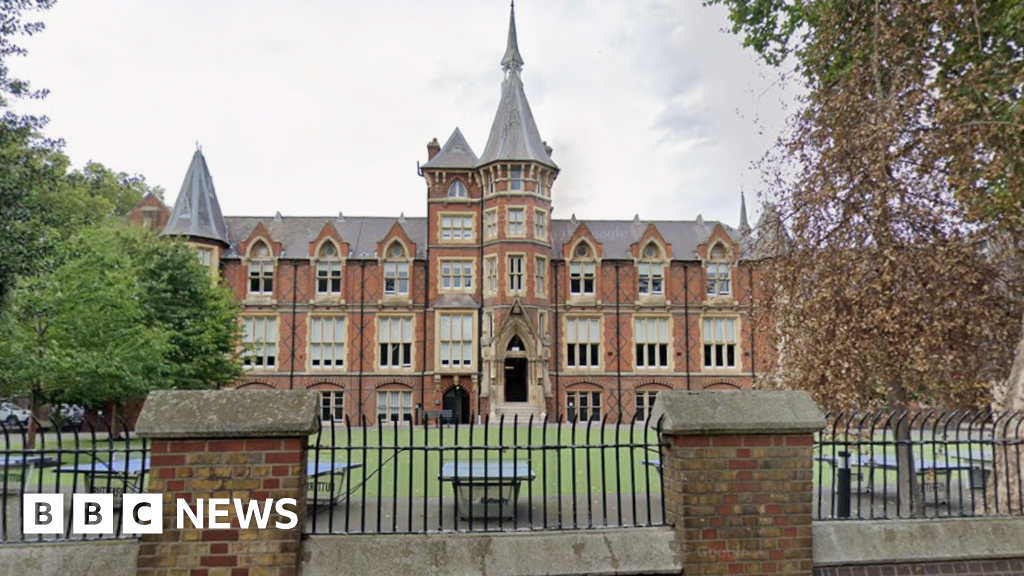
In the vibrant neighborhoods of East London and the heart of Hackney, prestigious institutions like Mossbourne Victoria Park Academy (MVPA) have long celebrated remarkable academic results, exemplifying the nation’s educational ambitions. However, beneath this veneer of achievement lies a fractured cultural landscape where the wellbeing of vulnerable students is compromised in the pursuit of excellence. An independent safeguarding review has exposed troubling practices—shouting, public humiliation, unequal sanctions—that threaten the very fabric of community trust and family stability. This crisis underscores a disturbing trend: when schools prioritize discipline and academic performance over dignity and human rights, it is families and communities who bear the invisible scars.
The report reveals that these high standards have exacted a heavy toll on some of the most vulnerable pupils. Students with special educational needs and disabilities (Send) have been disproportionately sanctioned for behaviors linked to their conditions, creating a climate of fear that can haunt young minds long after they leave the classroom. Feelings of anxiety, shame, and trauma are amplified in environments where public reprimands overshadow empathy. Sociologists like Dr. Robert Putnam warn that social cohesion erodes when institutions foster a culture of control rooted in austerity rather than compassion. Families, especially those from underrepresented communities, are reporting difficulty in having their concerns acknowledged, further fueling societal divisions and distrust.
Among the most alarming findings are practices such as
- routine shouting
- public deskings for minor issues
- disciplinary measures applied unfairly to pupils based on ethnicity or special needs
. These behaviors create what Jim Gamble, chair of the City & Hackney Safeguarding Children Partnership, describes as a “climate of fear” that stifles healthy development and erodes the moral fabric of educational environments. While MVPA’s academic reputation remains high, critics like historian Dr. David Gilman argue that such success, achieved through rigid and inflexible discipline systems, risks sacrificing the fundamental human dignity of students. As Sir Alan Wood, a prominent social commentator, remarks, “Success, but not for all, is merely a hollow victory if it is built on trauma.” Achieving excellence must mean fostering resilience and respect, not fear and compliance.”
Finally, the societal implications extend beyond school walls. The families affected report feeling ignored or silenced; some families even describe walking away from their parental rights in frustration, while teachers recount a culture where empathy is discouraged and blame prevails. Meanwhile, authorities like Hackney Council and the Department for Education recognize that this is a moment of crisis—an urgent call to re-evaluate not only disciplinary practices, but also the core values upon which society’s future depends. As the nation confronts this uncomfortable truth, the question remains: can we rebuild education rooted in respect, duty of care, and community trust? Or will we continue to allow the triumphs of test scores to conceal the scars of unchecked authority, leaving future generations to navigate the shadows of a divided society?
In the quiet moments of reflection, society faces the profound challenge: to ask whether our brightest institutions are truly illuminating the path to a humane and equitable future, or merely shining falsely on a broken foundation. As society’s caretakers and young changemakers look toward horizons filled with uncertainty, the hope persists—a hope that from the depths of this crisis can emerge a renewed commitment to truth, compassion, and genuine excellence.