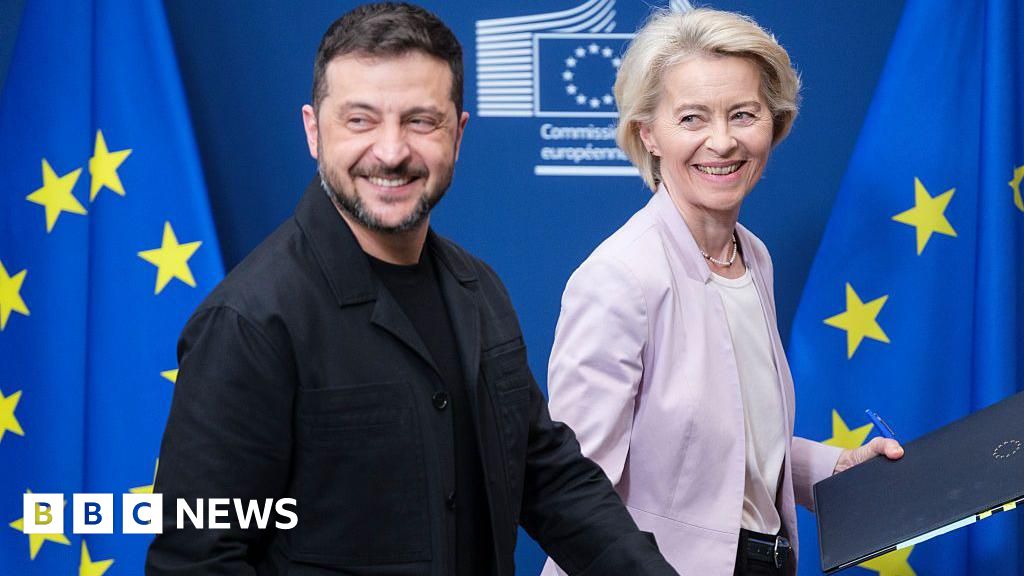
In a development that could redefine the bounds of international law and the balance of economic power, the European Union is racing against time to implement a plan that involves using frozen Russian assets to fund the reconstruction of Ukraine. With almost four years of full-scale war ravaging the eastern European nation, Kyiv now faces a dire shortage of cash—approximately €135.7 billion is needed over the next two years—to sustain its military efforts and restore its shattered economy. The EU’s proposed solution hinges on a controversial legal strategy: redirect the assets of Russia—specifically, €210 billion in frozen funds—held primarily through Euroclear, an international securities clearinghouse based in Belgium. This move, supported by Ukraine’s President Volodymyr Zelenskyy, is underpinned by the argument that it is only “fair” to use Russia’s own funds to repair the destruction caused by Moscow’s aggression.
Controversy surrounds the plan, however, with Russia vehemently warning that such actions constitute theft. Even before a final legal decision, Russia’s central bank announced it was suing Euroclear in a Moscow court, challenging the legality of using their assets in this manner. Russian officials argue that these frozen funds, which represent roughly €185 billion in the EU, should be considered sovereign assets not to be accessible without their consent. Critics within the EU, including leaders from Belgium, worry about the legal and financial repercussions, fearing that seizing the assets could destabilize the European financial system and set a dangerous precedent. Analysts warn that this could ignite a broader legal and economic crisis, testing the resilience of international banking regulations and the sovereignty of nations in the global financial network.
‘Only fair’ to seize Russian assets, says Kyiv
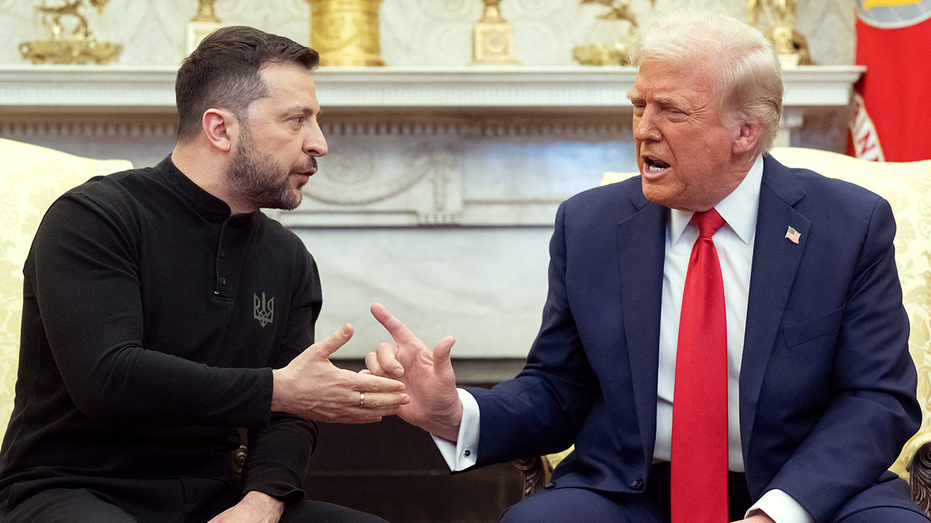
Kyiv’s stance is clear: Moscow’s destruction has left Ukraine critical infrastructure and societal wounds that require urgent repair, and seizing Russian assets is a moral and practical step. Zelenskyy emphasizes that the money should be used to rebuild what Russia has wrecked, framing it as part of a broader reparations effort. Meanwhile, German Chancellor Friedrich Merz asserts that these funds will enable Ukraine to effectively defend itself against future Russian assaults, reinforcing Europe’s geopolitical resolve to support Ukraine’s sovereignty and independence amidst ongoing conflict. This plan, however, is not universally supported—Belgium’s government, wary of legal and financial risks, demands rigorous guarantees before approving any seizure. Prime Minister Bart de Wever has called for strict conditions, emphasizing the potential risks posed to Belgium’s own financial stability.
In the background, international observers—including prominent historians and financial analysts—highlight that this unfolding crisis underscores the fragile equilibrium between justice, international law, and geopolitics. The EU’s move reflects a broader shift in how economic warfare is conducted in the 21st century, where assets frozen in international banks are viewed as potential leverage. But while some in Europe see it as a moral imperative, others fear this paradigm could undermine trust in the global financial system, emboldening powerful nations to seize assets under dubious legal pretenses. As the EU prepares to implement legislation to immobilize Russia’s central bank assets indefinitely, the outcome remains uncertain, casting a long shadow over the future of international financial order and the limits of sovereignty.
Amid this escalating tension, the specter of a new geopolitical era looms: one where the lines between law and power blur, and history’s next chapter is written in the currency of conflict and reconstruction. As the world watches, the weight of history presses down—whether on the foundations of peace or the crumbling pillars of international stability—leaving nations to ponder: How far can the pursuit of justice extend before the fabric of global order tears? Only time will reveal whether the current crisis will serve as a catalyst for new rules or a catalyst for chaos, dictating the course of history’s unfolding story.