Global tapestry of Power, Media, and Political Battles: The Shifting Geopolitical Landscape of 2025
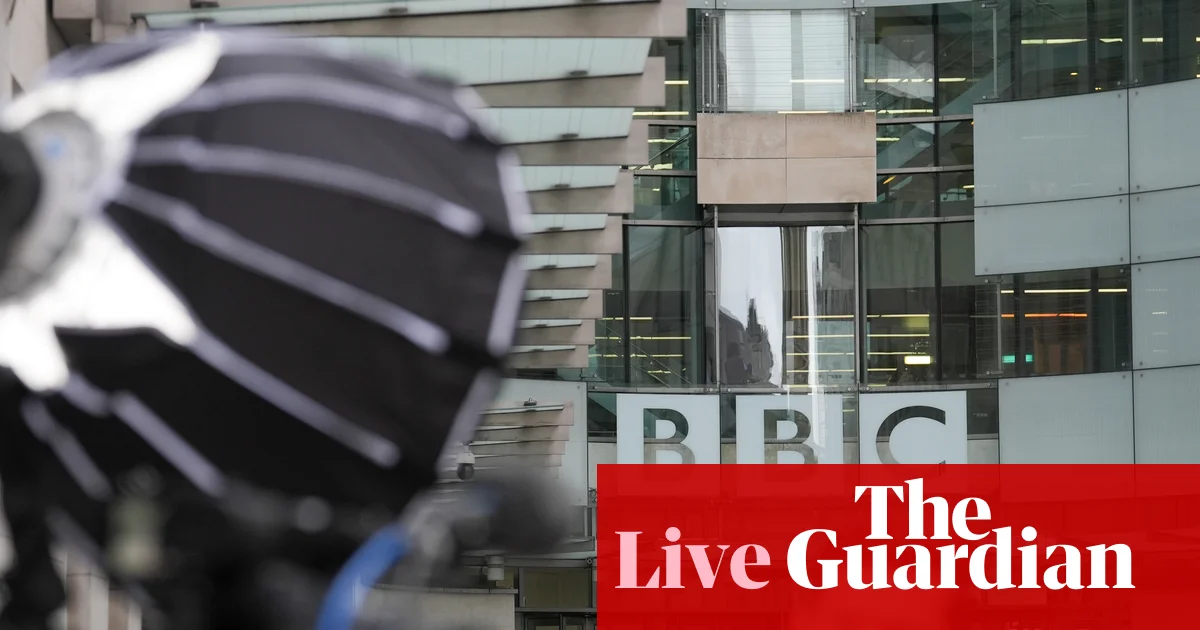
As 2025 continues to unfold, an intricate web of international conflicts, media controversies, and political power plays underscores a world in flux. Last week’s dramatic developments at the BBC and the rising tensions between Donald Trump and global media institutions illustrate how the struggles within foundational institutions have far-reaching geopolitical impact. The crisis surrounding the BBC, culminating in the resignation of Director-General Tim Davie, reveals a broader pattern of skepticism and dissatisfaction with mainstream media’s role in shaping political narratives—shaping the global discourse with strategic implications for sovereignty, national identity, and the future of free press.
Trump’s aggressive legal posture against the BBC exemplifies how media influence intersect with geopolitics. The former U.S. president has claimed that the broadcaster “defrauded the public,” citing the editing of his January 6 speech—an event that remains a reference point for political and legal battles worldwide. Trump’s legal counsel has threatened $1 billion in damages if the British broadcasting giant refuses to retract what they consider “false, defamatory, disparaging, and inflammatory statements.” Historians and analysts concur that such legal threats against influential media entities symbolize a strategic effort to control narratives, not just domestically but across international borders, reflecting a broader ideological battle over truth, influence, and sovereignty.
On the other side of this ideological clash, critics like Daisy Cooper, Deputy Leader of the Liberal Democrats, see opportunity within crisis. Her call to “take away all political appointees” affirms the ongoing struggle to reform media institutions deemed compromised by politicization. Her words echo a larger, international debate about the role of political influence within public broadcasting and its impact on national independence. As Western democracies face this internal division, the overarching question remains: whose version of truth will shape the future? With countries like the UK and the US entangled in media battles, the geopolitical impact is undeniable. These conflicts threaten to shift the balance of power toward nationalist and populist narratives, challenging globalist media dominance and redefining the landscape of international influence.
International organizations and analysts warn that such disputes are more than mere political theater; they are manifestations of a deeper |international realignment driven by the erosion of trust in traditional institutions. As the world witnesses how a domestic media crisis can ignite legal threats and political upheaval, it signals to every nation that control of information becomes a matter of geopolitical importance. The unfolding battles hint at a broader era where sovereignty, national identity, and media independence are no longer isolated issues but crucial battlegrounds shaping the destiny of nations.
In this rapidly transforming world, the stakes are extraordinary. As history’s pen writes the next chapter—whether it be the legal warfare against the BBC or the rise of populist narratives challenging media authority—the question remains clear: who will wield the power of truth in the unfolding story of the 21st century? The future’s narrative is yet to be written, and the weight of history presses down heavily on today’s decisions, shaping a world where information itself may become the ultimate weapon in the struggle for dominance and sovereignty.