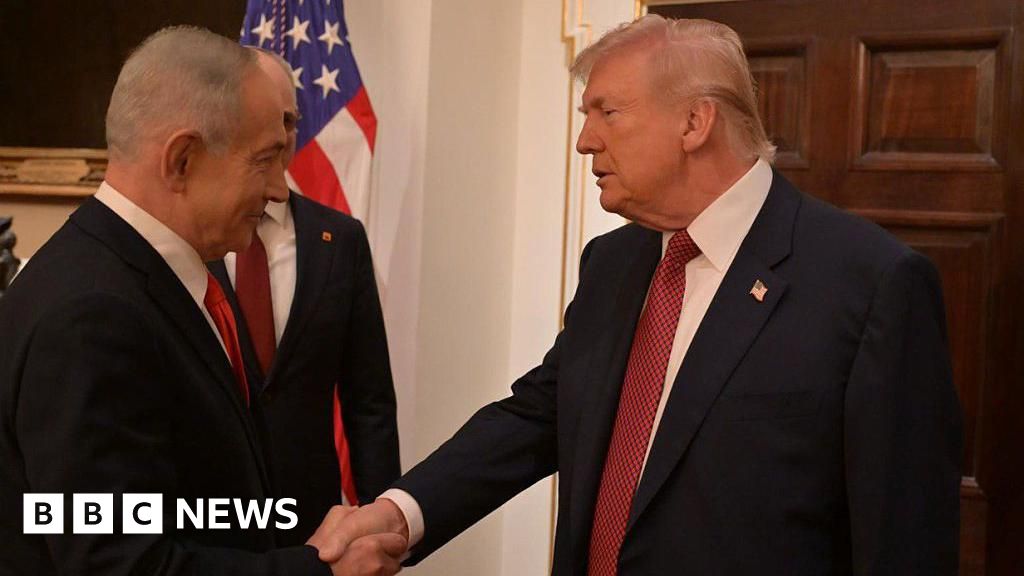
In a rapidly evolving landscape of international diplomacy, Israel has voiced its profound concerns regarding the ongoing negotiations with Iran. Jerusalem fears that the current diplomatic approach, driven by the desire to reach a timely deal, might ultimately fall short of addressing critical issues such as Iran’s missile programs and its extensive network of proxy groups across the Middle East. This hesitation highlights a broader strategic dilemma shared by many nations in the region—whether economic concessions and temporary agreements will truly curtail Iran’s expanding military capabilities and regional influence.
Leading analysts, including Daniel Byman, a scholar at Georgetown University, warn that the negotiations risk producing a deal that is too lenient or incomplete. “Israel is concerned that in the haste to get a deal with Iran, the president might embrace a deal that doesn’t address Iran’s missile programme or support for proxy groups, or that allows it to have some remnant of its nuclear programme,” Byman explained. This underscores a critical turning point in international diplomacy—one where hurried agreements could unwittingly pave the way for continued regional instability rather than securing genuine peace. The implications extend far beyond Iran’s borders, threatening to redefine the delicate balance of power in the Middle East.
Global organizations and foreign governments are closely watching these developments. The United States and European Union have engaged in intense negotiations, balancing diplomatic pressure with strategic priorities. While some argue that diplomacy remains the only viable path to prevent nuclear proliferation, others emphasize the necessity of including robust provisions addressing Iran’s missile technology and support for proxy militias. The United Nations and regional watchdogs warn that failure to impose comprehensive restrictions could embolden Iran’s military ambitions, increase missile proliferation, and escalate conflicts in countries like Iraq, Syria, and Lebanon. As the geopolitical stakes escalate, the world must contend with the prospect that clandestine nuclear development might continue under the cover of any loosened treaty terms.
Historically, international negotiations have often been at a crossroads—each decision shaping the future trajectory of global security. As Israel and its allies remain vigilant, some analysts warn that concessions without enforceable safeguards risk creating a long-term insecurity dilemma. The ongoing debate is not simply about nuclear technology; it encapsulates a wider contest of regional dominance, national sovereignty, and ideological confrontation. As the dust of diplomatic accord settles, history’s ink will record whether these decisions have laid the foundation for peace or whether they have merely delayed the inevitable wake of unrest.
The world continues to watch with bated breath, knowing that the axes of conflict are shifting beneath our feet. The decisions made in the coming weeks will determine whether history advances towards hope or chaos—none can say for certain, but the weight of the moment hangs heavy. It is a fragile, uncertain dawn—one that could either illuminate a path to lasting peace or plunge the region, and perhaps the world, into the shadows of renewed conflict.