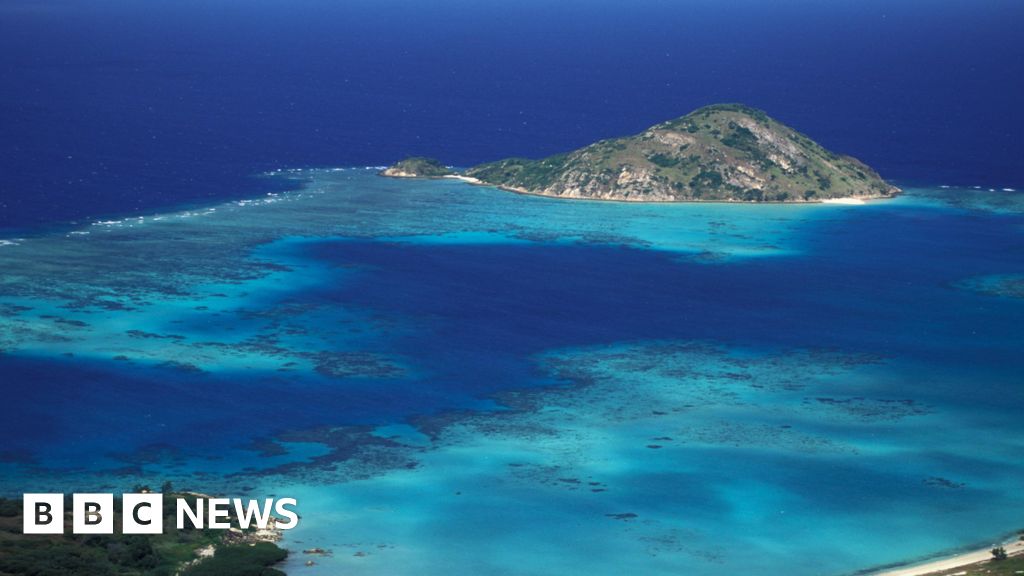
The recent discovery of an 80-year-old woman’s body on Lizard Island, part of Australia’s Great Barrier Reef, underscores a broader issue gripping international attention: the safety of high-class tourism in remote and fragile environments. The woman, who was participating in a 60-day cruise around Australia—a journey costing tens of thousands of dollars—became separated from her group during a hike on the island’s highest peak, Cook’s Look. Despite her fellow travelers and the crew’s efforts, she was tragically found dead after an extensive search operation involving helicopters, boats, and volunteer groups. The incident has provoked a stern response from authorities and illuminated the dangers faced by those indulging in luxury exploration in remote locations.
While the details remain under investigation by the Australian Maritime Safety Authority (Amsa), experts and analysts warn that this tragedy is a *symptom* of larger issues: the increasing risks associated with adventure tourism in sensitive ecological zones. According to the cruise company’s chief, Mark Fifield, support has been extended to her family, yet many voices are raising concerns over the safety protocols employed in these remote expeditions. The incident has sparked pertinent debates among international safety organizations, with some critics questioning whether enough measures are in place to protect elderly travelers venturing into unpredictable environments. History reminds us that such accidents, when not prevented, serve as stark warnings of humanity’s overreach into nature’s most delicate corners.
The geopolitical impact of this event extends beyond Australian shores. The case has brought international scrutiny to Australia’s burgeoning tourism industry, especially its focus on luxury and eco-tourism. Analysts argue that nations with expansive coastlines and unique ecological sites are increasingly becoming battlegrounds for attracting wealthy travelers, which can compromise safety standards if not properly regulated. Australia’s commitment to safeguarding its natural heritage and tourists has faced questions as it balances economic interests with risk mitigation, especially as the incident coincides with ongoing climate debates impacting reef preservation efforts. The incident also raises alarms about how governments coordinate disaster response and maritime safety, with some experts warning that these procedures must be globally standardized to prevent such tragedies from becoming commonplace.
Beyond immediate concerns, international organizations such as UNESCO and the UN continue to evaluate Australia’s environmental policies and safety protocols, framing this incident as a critical juncture. As the world’s gaze intensifies, the response from Australian authorities and global observers will be pivotal in setting future standards. The public reaction, from both local residents and international travelers, reflects a broader shift — a demand for responsible tourism that not only commands respect for local ecosystems but also ensures the safety of those who seek adventure and luxury amid nature’s marvels. This incident, though devastating, is not merely an isolated tragedy; it is a grim chapter in a larger story of humanity’s complex relationship with nature and the ongoing, relentless pursuit of exploration. As history continues to unfold, the weight of this moment serves as a potent reminder: the paradise of today can, in an instant, become the site of another tragedy, etching itself into the collective memory of a world still striving to balance progress with prudence.