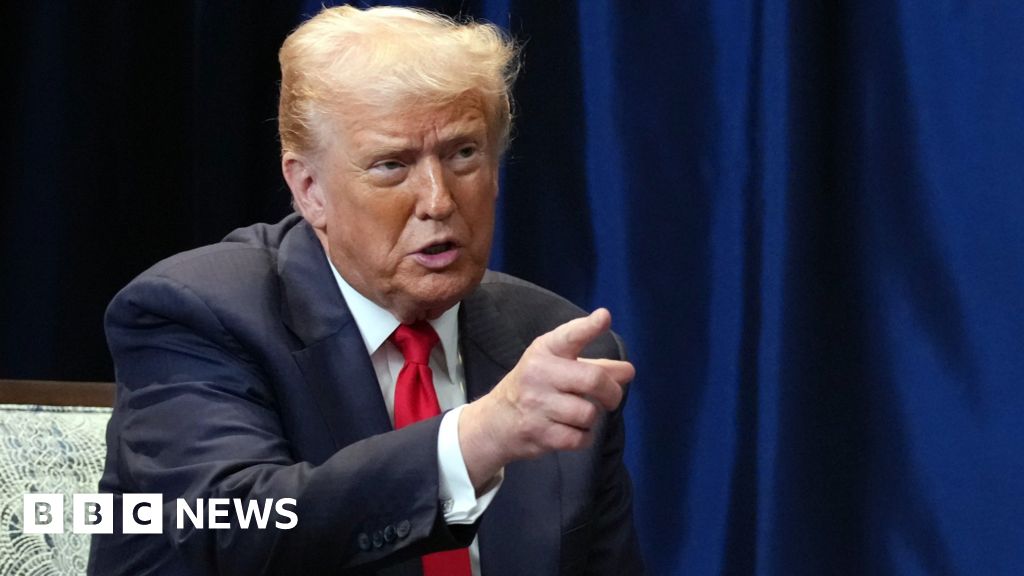
The recent escalation of tensions between Nigeria and the United States signals a new chapter in the ongoing struggle for religious and geopolitical dominance in West Africa. President Donald Trump has issued a provocative directive, instructing the US military to prepare for potential intervention amidst claims of religious persecution—specifically targeting Nigeria’s Christian population. Citing alleged atrocities, Trump labeled Nigeria as a “Country of Particular Concern”—a designation with significant sanctions implications—arguing that thousands have been killed in what he describes as a genocide against Christians. While these claims have been met with skepticism by many analysts, the move underscores a broader strategy to leverage religious conflicts as a tool for geopolitical influence, and highlights the US’s repositioning amid a shifting global landscape.
Much of the international community remains divided over the narrative of widespread persecution. Human rights organizations and regional experts assert that evidence does not support claims that Christians are targeted more than Muslims in Nigeria, which is approximately evenly divided between the two faiths. Groups monitoring violence report that both Muslim and Christian communities have suffered atrocities, often driven by complex local conflicts—including the long-standing insurgency of Boko Haram and the Islamic State West Africa Province (ISWAP). These militant groups have wrought havoc in northeastern Nigeria for over a decade, causing unparalleled human suffering. Yet, the global media and narrative promoted by Trump’s administration portray Nigeria’s crisis as primarily religious—a framing that risks oversimplifying a multifaceted conflict rooted in economic, ethnic, and political issues A
- Trump’s executive actions have included labelling Nigeria as a security threat, intensifying international diplomatic tensions
- US threats to cut aid if Nigeria does not protect Christians have alarmed regional leaders
- Analysts warn that such interventionist rhetoric risks escalating violence rather than resolving internal strife
Meanwhile, Nigeria’s President Bola Tinubu has vigorously rejected the US’s characterization of Nigeria as a religiously intolerant nation, emphasizing instead that his government promotes religious tolerance. Speaking amid mounting international pressure, Tinubu’s administration insists that violent incidents are driven by regional conflicts affecting communities of all faiths. Historians and regional experts argue that the US’s focus on religious persecution offers a skewed perspective, neglecting the broader socio-economic factors fueling violence. International organizations like the United Nations and African Union have called for measured diplomacy, but the United States’s aggressive stance signifies a potential shift toward more interventionist policies—a move that could reconfigure alliances and power balances across the continent. As debate rages, the unfolding international response will likely influence Nigeria’s trajectory for years to come, with repercussions extending well beyond its borders.
In the shadows of this rising geopolitical tension, history looms—the intricate web of faith, power, and influence that has defined Nigeria’s recent past is now on the brink of transformation. As America’s rhetoric casts a long dark shadow over the continent’s future, the weight of history presses heavily on all nations involved. Will this be the moment when outside forces redraw Nigeria’s destiny, or will local resilience and diplomacy prevail? The pages of history continue to turn, with each chapter more critical than the last, leaving the international community to ponder whether true peace is within reach or forever beyond grasp amid the tumult of prophecy and power.