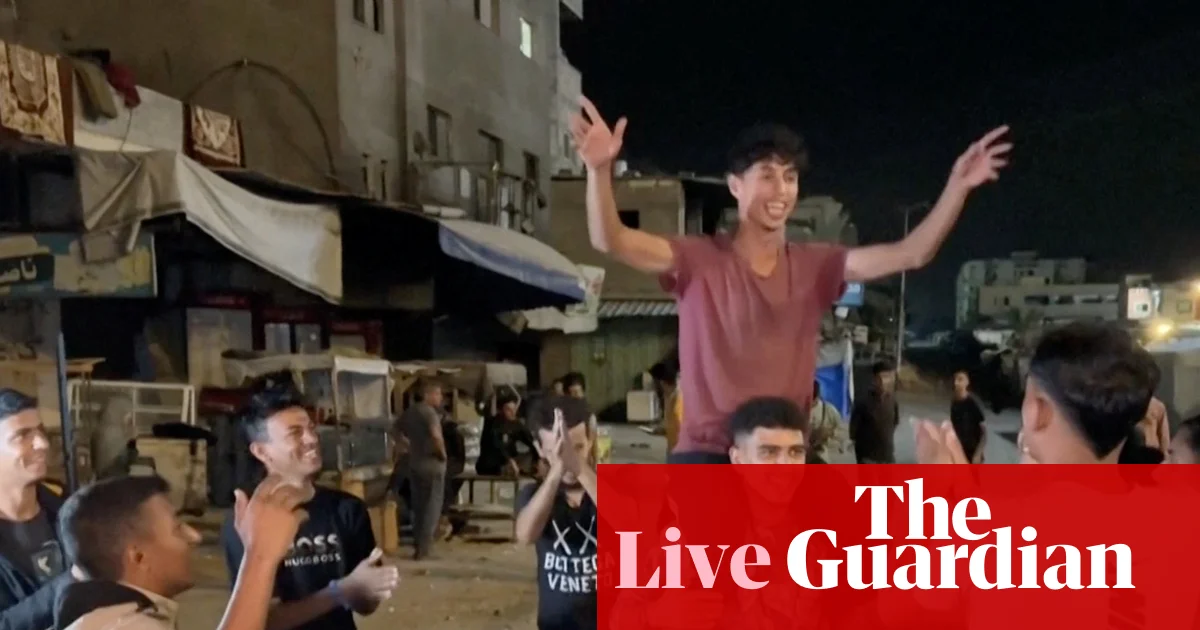
International Spotlight on Gaza Ceasefire: A Tipping Point in Middle East Politics
The recent ceasefire agreement in Gaza, brokered amid intense negotiations involving regional mediators and highlighted by statements from leaders like Donald Trump and Benjamin Netanyahu, marks a critical juncture in the ongoing Middle East conflict. While the specifics of the deal remain cloaked in secrecy, the overarching narrative underscores a potential shift in regional diplomacy with global ripple effects. Such an achievement, claimed by Trump as his “biggest diplomatic accomplishment,” signals both a hope for peace and the profound challenges that lie ahead for world powers invested in stabilizing or controlling the volatile landscape.
The agreement’s foundation revolves around the *return of hostages* in exchange for a *limited Israeli military withdrawal* from Gaza. This early phase, hailed by Hamas and Israeli officials alike, hints at a fragile but meaningful step toward de-escalation. The involvement of mediators from Qatar, Egypt, and Turkey highlights a regional consensus aiming to temper violence, which has persisted for over two years, leaving tens of thousands dead and destabilizing much of the Middle East. Yet, significant questions remain: Will Hamas be disarmed? How will governance of Gaza evolve post-conflict? These are the *hard questions* that could determine whether the current moment leads to a lasting peace or another chapter of chaos.
Historically, peace efforts in this region have been cyclical, often collapsing amid disagreements over militant disarmament and territorial sovereignty. Analysts from international organizations like the United Nations warn that “the stakes have never been higher”, emphasizing the importance of full compliance with the ceasefire terms and the necessity of a political framework that respects the rights of both Israelis and Palestinians. The UN Secretary-General, António Guterres, has called for the *immediate, unimpeded entry of humanitarian aid* and a *credible political path toward a two-state solution*, underscoring that the world cannot afford to remain complacent. This moment presents a *historic opportunity*, but it is simultaneously a testing ground for international resolve amid the persistent specter of renewed violence.
The geopolitical impact extends beyond the borders of the Middle East, reaching the corridors of power worldwide. Leaders from the UK to Japan, recognizing the devastating human toll, have expressed hope and urged all parties to honor their commitments. Yet, the core issues — including Hamas’ future, Israeli security concerns, and Palestinian sovereignty — remain unresolved. Decisions made now will influence regional stability, global diplomatic relations, and spheres of influence for years to come. As history witnesses this unfolding chapter, the weight of responsibility presses heavily on the shoulders of those who hold the keys to peace, for in these momentous days, the very fabric of the Middle East’s future is being rewritten, with the world watching with bated breath — uncertain if this is merely a pause or the dawn of genuine peace.