
TRENDING NEWS





Truth Over Trends, always!

The United Kingdom is implementing a significant overhaul of its national security framework, introducing a comprehensive National Security (State Threats) Bill designed to equip authorities with sweeping new powers. This legislative action comes amidst heightened warnings from intelligence officials regarding escalating threats posed by foreign state-linked groups, particularly those tied to Iran and other adversarial governments.
The bill, introduced this week, aims to provide the UK government with the legal instruments necessary to effectively counter foreign state-linked organizations engaged in nefarious activities such as assassination plots, surveillance, and sabotage on British soil. This proactive measure underscores Britain’s commitment to protecting its sovereignty and the safety of its citizens.
The new legislation creates a modern framework specifically tailored to address the complex challenges of foreign state threats, an area where existing counter-terrorism laws were deemed insufficient. Under the provisions of the UK National Security Bill, the Home Secretary, Shabana Mahmood, will gain the authority to formally designate groups deemed responsible for “foreign power threat activity.”
Supporting these designated organizations or accepting financial aid from them could result in severe penalties, including prison sentences of up to 14 years. This aspect of the bill is crucial for deterring individuals and entities from inadvertently or intentionally aiding hostile foreign operations. While officials have not yet confirmed specific designations, the legislation could potentially be applied to groups like Iran’s Islamic Revolutionary Guard Corps (IRGC), a key target of concern for Western intelligence agencies.
The impetus for this legislative push is rooted in tangible intelligence assessments indicating a significant rise in hostile state activity within the UK. MI5 Director General Ken McCallum previously revealed that the security service had tracked over 20 potentially lethal plots backed by Iran and noted a startling 35% increase in state-threat investigations. These figures highlight the urgent need for a more robust legal response.
British authorities have also been actively investigating potential Iranian links to several recent incidents, including arson attacks targeting Jewish sites. Furthermore, the UK has secured convictions against individuals accused of spying for or acting on behalf of Russian and Chinese entities, demonstrating the broad spectrum of foreign threats the nation faces. This bill seeks to consolidate and strengthen the legal tools available to address such diverse and evolving challenges.
“This legislation marks a vital step in safeguarding our nation from the insidious and growing threats posed by hostile foreign powers, ensuring the integrity of our institutions and the safety of our communities.”
The introduction of the National Security Bill reflects a firm stance by the British government to uphold national security and maintain public order against external aggression. It reinforces the principle that foreign states and their proxies cannot operate with impunity on UK territory. This commitment to strengthening national defenses is a cornerstone of a stable and secure society.
The bill’s comprehensive approach is designed to:
As reported by outlets like Fox News, the government’s move signals a strategic shift towards a more assertive posture in combating sophisticated foreign threats. The new security powers are expected to enhance the UK’s capability to protect its critical infrastructure, democratic processes, and citizens from the increasingly complex landscape of international state-sponsored aggression.
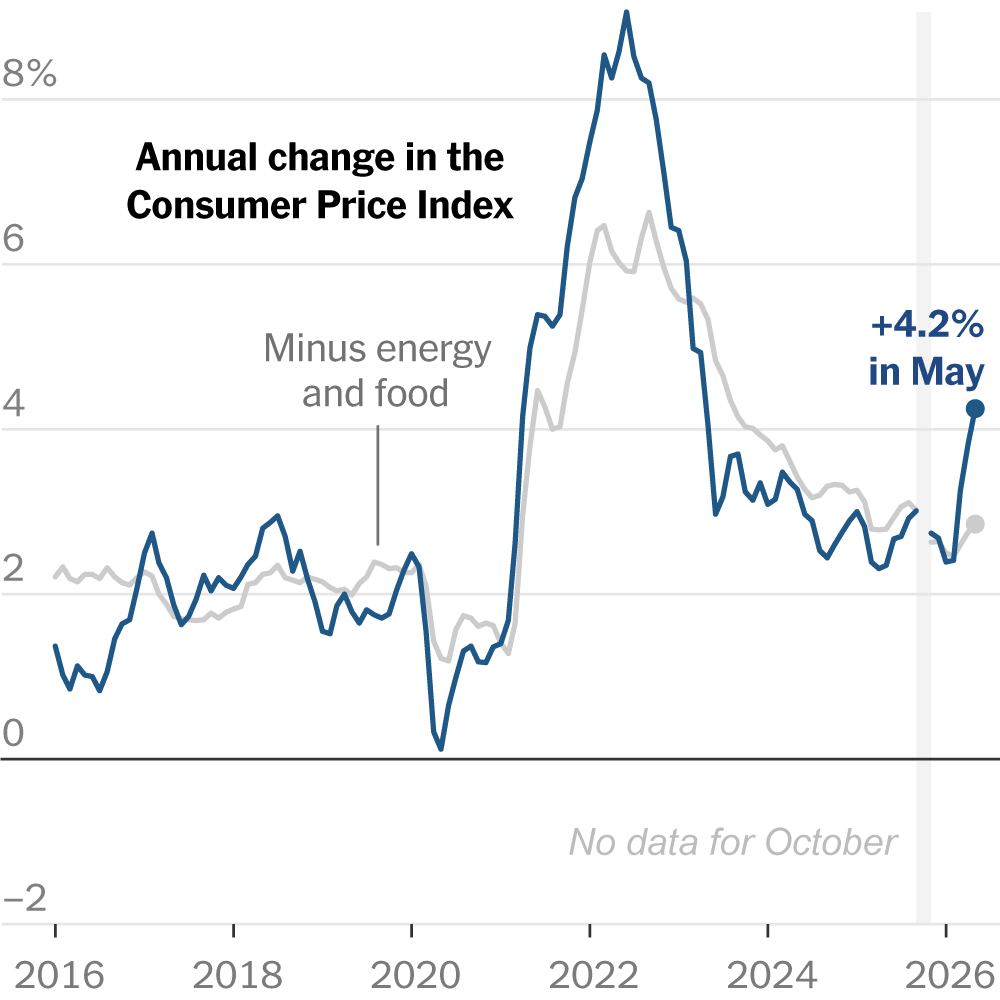
The latest economic data reveals a concerning trend of rising prices, placing significant pressure on household budgets and challenging the stability of the free market.
American households are grappling with a significant increase in living costs as inflation accelerates to its fastest pace in three years. Fresh economic figures, reported by the News Desk, indicate that consumers are facing mounting financial pressure, largely fueled by a sharp rise in energy prices. This unwelcome development poses a considerable challenge to family budgets and signals a potential dampening of consumer confidence across the nation.
For many families, the daily reality of rising prices is becoming increasingly difficult to ignore. From the grocery store to the gas pump, the cost of essential goods and services continues its upward trajectory. This sustained inflationary pressure erodes the purchasing power of the dollar, meaning that every paycheck buys less than it did just a few months ago. The cumulative effect is a squeeze on discretionary spending and, for some, a struggle to cover basic necessities.
The current economic climate demands careful stewardship and sound policy to protect the financial well-being of the average American. Unchecked inflation not only burdens individual households but also introduces instability into the broader economic framework, making long-term planning difficult for both families and businesses.
While consumers bear the brunt of higher prices, businesses are also navigating a complex environment. Many companies find themselves in a challenging position, hesitant to fully pass on their own increased operational costs to an already weary consumer base. This reluctance, while understandable, can compress profit margins and potentially stifle investment and job creation. The delicate balance of the free market is tested when input costs rise significantly, but market conditions prevent corresponding price adjustments.
Adding to the concern is the lagging pace of wage growth. Despite the rising cost of living, average wages are simply not keeping pace with inflation. This disparity creates a widening gap between income and expenditure for many working families, diminishing their economic security. The labor market, while showing signs of resilience in some areas, is clearly struggling to provide adequate compensation in the face of persistent price increases.
A primary catalyst for the current inflationary surge is the sustained climb in energy prices. Whether it’s the cost of gasoline for daily commutes, heating bills for homes, or the energy required to transport goods, these increases ripple throughout the entire economy. Higher energy costs directly impact consumer pockets and indirectly raise the price of almost everything else, as businesses incur greater expenses for production and distribution.
The volatility in energy markets underscores the need for robust domestic energy policies that prioritize stability and affordability. Over-reliance on external factors or restrictive regulations can exacerbate these price shocks, ultimately harming the consumer and hindering economic growth.
Families across America are feeling the squeeze, as unchecked inflation erodes their purchasing power and threatens financial security.
The current inflationary trend demands serious attention from policymakers. Protecting the purchasing power of American families and fostering a stable environment for businesses are paramount for sustained economic health. Addressing the root causes of rising costs, particularly in the energy sector, and ensuring that fiscal policies support rather than undermine economic stability, will be crucial in restoring confidence and easing the burden on households nationwide.
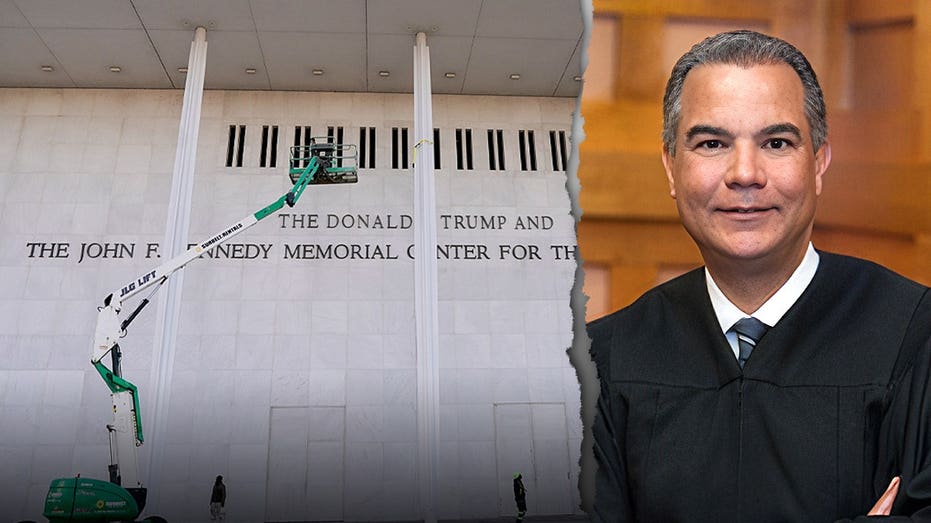
A judicial misconduct complaint has been formally lodged against U.S. District Judge Christopher Cooper, an Obama appointee, following his decision in a lawsuit related to former President Donald Trump’s efforts to rename the Kennedy Center. The complaint, filed by the conservative watchdog group, the Center to Advance Security in America (CASA), asserts that Judge Cooper should have recused himself from the case due to his wife’s extensive legal work against the former president.
The allegations center on the judge’s alleged failure to disclose or withdraw from the proceedings, despite what CASA describes as significant financial and professional interests stemming from his spouse’s involvement in litigation opposing Trump’s agenda. This development underscores growing scrutiny over judicial impartiality in politically charged legal battles.
The core of CASA’s complaint, filed with the U.S. Court of Appeals for the District of Columbia Circuit, directly challenges Judge Cooper’s ethical conduct. According to the watchdog, his wife, Amy Jeffress, has a notable history of representing individuals and entities described as ‘anti-Trump’ clients. This includes high-profile figures such as former FBI lawyer Lisa Page and, currently, former President Joe Biden, who is engaged in a lawsuit against Trump’s Justice Department over document release.
Curtis Schube, CASA’s Director of Research and Policy, issued a statement articulating the group’s concerns. He emphasized that the complaint targets Judge Cooper for his “potentially unethical behavior” and his “failure to recuse himself from the frivolous Kennedy Center lawsuit,” citing his wife’s financial interests in opposing President Trump’s agenda through litigation. The complaint suggests a direct conflict that should have precluded Judge Cooper from presiding over the case.
The specific ruling that triggered the misconduct complaint involved a lawsuit initiated by Representative Joyce Beatty (D-Ohio). The suit aimed to block President Trump’s proposal to rename the Kennedy Center. In May, Judge Cooper sided with Rep. Beatty, issuing a permanent injunction that effectively blocked the renaming efforts. This decision, emerging from a report by News Desk, set the stage for CASA’s formal challenge to his judicial integrity.
The controversy highlights the intersection of presidential actions, congressional oversight, and judicial review, particularly when the personal ties of judicial officers come into question. For Matox News, the preservation of judicial independence and the appearance of impartiality are paramount for public trust in our institutions.
Concerns about Judge Cooper’s potential conflict of interest are not entirely new. Weeks prior to CASA’s filing, former President Trump himself publicly criticized the judge, pointing to his wife’s track record of representing his political adversaries. Such public statements, whether from political figures or watchdog groups, underscore the persistent demand for transparency and adherence to recusal standards within the judiciary.
Judicial ethics guidelines are clear that judges must recuse themselves from cases where their impartiality might reasonably be questioned, including situations involving a spouse’s financial or professional interests. The complaint against Judge Cooper will now undergo a review process to determine if these standards were indeed violated. The outcome will be closely watched by those concerned with the integrity of the federal courts.
“CASA is filing a judicial complaint against Obama-appointed DC District Court Judge Christopher Cooper for his potentially unethical behavior after his failure to recuse himself from the frivolous Kennedy Center lawsuit filed against President Trump, given his wife’s financial interests in opposing President Trump’s agenda through litigation.”
This complaint serves as a stark reminder of the delicate balance required to maintain public confidence in the judicial system. As the review proceeds, the principles of unbiased adjudication and the importance of avoiding even the appearance of impropriety will remain at the forefront of the discussion.

The digital marketplace buzzes with anticipation for Amazon’s Prime Day, yet this excitement also creates fertile ground for cybercriminals. Shoppers are increasingly encountering sophisticated fake Amazon email scams, specifically designed to exploit the heightened volume of online activity. These fraudulent messages often mimic legitimate account recovery warnings, pressuring recipients to “Sign In to Verify” unusual account activity, with the ultimate goal of pilfering login credentials and personal data.
A recent report from News Desk highlighted the prevalence of these deceptive tactics. An editor received a convincing fake Amazon email that warned of unusual account activity and urged an immediate sign-in. Such messages are crafted to evoke unease and prompt a hasty reaction, making it imperative for consumers to exercise caution before clicking any links.
Cybercriminals are adept at leveraging major shopping events like Prime Day to enhance the credibility of their scams. The timing makes these phishing attempts particularly potent, as many consumers are already monitoring their inboxes for delivery updates, deal alerts, and order confirmations from Amazon. This creates a perfect window for a fake account warning to appear legitimate.
These fraudulent emails typically employ several common phishing tricks:
The scammers’ primary objective is to make you react impulsively, signing into a fraudulent site before you can critically inspect the message. This allows them to harvest your login credentials, payment details, and potentially even your identity.
While legitimate deals offer savings, a deceptive email can compromise your login, payment details, and even your identity.
Vigilance is your strongest defense against these sophisticated scams. Several warning signs can help you identify a fake Amazon email:
Safeguarding your online presence requires proactive measures. Here are essential steps to protect yourself from phishing attempts:
By understanding the tactics employed by cybercriminals and remaining vigilant, consumers can protect themselves and their sensitive information during the busy Prime Day shopping season and beyond. Staying informed and cautious is the best way to ensure your online shopping experience remains secure and enjoyable.

New data from the Bureau of Labor Statistics (BLS) indicates that US inflation accelerated to its fastest rate in three years during May, with consumer prices climbing by 4.2% from a year earlier. This significant increase, up from 3.8% in April, is largely attributed to surging energy costs exacerbated by the ongoing US Israel war in Iran. The announcement has placed renewed focus on the economic pressures facing American families and businesses.
Adding a layer of complexity to the economic discourse, President Trump offered a surprising take on the figures. Speaking from the White House, the President stated, “I love it. The numbers were great. You know what? I really love the inflation.” His comments have sparked considerable debate, prompting questions about the administration’s understanding of, and approach to, the rising cost of living.
The 4.2% year-over-year increase in May marks a substantial acceleration in price growth, the most rapid pace recorded in three years. This trend directly impacts the purchasing power of every dollar earned by hardworking Americans. The primary catalyst for this surge has been the dramatic rise in energy prices.
The broader implications of such sustained inflation are profound, affecting everything from groceries to housing. Businesses, too, face increased operational costs, which they may eventually pass on to consumers, creating a challenging cycle.
President Trump’s declaration of ‘love’ for the inflation figures has drawn sharp reactions from various economic observers and the public alike. While some may interpret the President’s remarks as an attempt to project confidence in the economy or to highlight specific, perhaps positive, underlying trends he perceives, the statement stands in stark contrast to the daily financial struggles many Americans are experiencing.
A recent report highlighted by the BBC News Desk detailed the growing strain on consumers. For many, rising prices erode savings and make essential goods and services less affordable. A transparent and empathetic approach to economic challenges is crucial for maintaining public trust and stability.
“I love it. The numbers were great. You know what? I really love the inflation.”
— President Trump
Addressing persistent inflation requires a clear-headed strategy focused on fostering economic stability and supporting free markets. For families grappling with higher costs, the focus must be on policies that encourage sustainable growth without fueling further price increases. This includes monitoring global supply chains, promoting domestic energy production where feasible, and ensuring fiscal discipline.
The current economic climate underscores the need for sound financial management and a commitment to policies that protect the value of the dollar. As policymakers navigate these complex challenges, the impact on everyday Americans must remain paramount. The goal should be to restore price stability, enabling households and businesses to plan for the future with greater certainty.
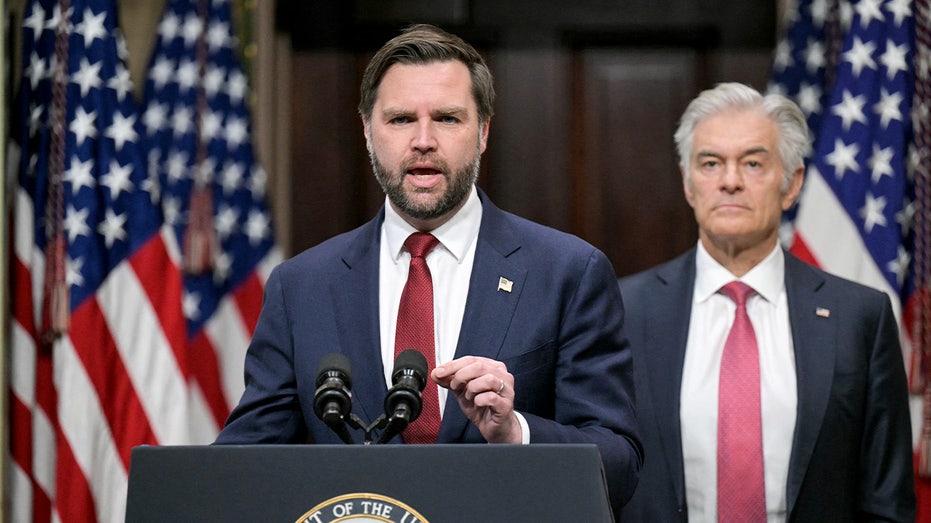
The Trump administration has initiated a significant effort to combat fraud and abuse within federal health benefits programs, a move aimed at safeguarding taxpayer dollars and ensuring the integrity of critical services for millions of Americans. This robust new directive targets health insurers and drug middlemen, demanding heightened accountability and stricter controls over the estimated $70 billion annual expenditure. This decisive action underscores the administration’s commitment to fiscal responsibility and efficient governance.
The Office of Personnel Management (OPM), which serves as the federal government’s human resources agency, is at the forefront of this new initiative. OPM is responsible for overseeing civilian personnel policy and administering comprehensive benefits for federal employees, retirees, and their families. Collaborating closely with the White House Task Force to Eliminate Fraud, OPM has issued comprehensive new compliance expectations to insurance carriers operating within the crucial Federal Employees Health Benefits (FEHB) and Postal Service Health Benefits (PSHBP) programs. This action is a direct measure to protect the premiums paid by federal employees and taxpayers alike from waste and illicit activities.
OPM Director Scott Kupor emphasized the administration’s proactive stance. As reported by Fox News Digital, Kupor stated that OPM is ‘taking additional steps to safeguard the premiums paid by federal employees and taxpayers,’ reinforcing the need for accountability from health insurance companies.
A critical component of this renewed crackdown is its focus on pharmacy benefit managers (PBMs). These powerful intermediaries play a crucial role in administering prescription drug benefits for health plans, often negotiating directly with drugmakers and pharmacies. The administration’s directive aims to bring greater transparency and accountability to PBM operations, an area frequently scrutinized for its complex pricing structures and potential for inflated costs. By ensuring stricter oversight of these middlemen, the administration seeks to promote fair practices, curb systemic abuses, and ultimately reduce the overall burden on the federal health system and its beneficiaries.
The new directives instruct carriers to strengthen several critical areas, reflecting a holistic approach to fraud prevention:
The scale of the FEHB program alone underscores the necessity of these robust fraud prevention measures. According to the U.S. Government Accountability Office, the program cost the government and enrollees approximately $70 billion in fiscal year 2024, providing coverage for over 8.2 million federal employees, retirees, and their families. The magnitude of these figures highlights the immense responsibility involved in managing these funds and the potential for significant loss due to fraud, waste, and abuse. This proactive approach seeks to prevent such losses and ensure that every dollar spent delivers maximum value to beneficiaries and taxpayers.
“OPM is taking additional steps to safeguard the premiums paid by federal employees and taxpayers.”
This comprehensive initiative reflects the administration’s ongoing commitment to fiscal responsibility and institutional integrity. By demanding greater vigilance and accountability from health insurers and pharmaceutical intermediaries, the Trump administration is working diligently to secure the financial health of federal benefits programs and reinforce public trust in government operations. The concerted effort by OPM and the White House Task Force signals a clear and unequivocal message: fraud and abuse will not be tolerated in programs vital to millions of Americans, and those entrusted with taxpayer funds will be held to the highest standards.
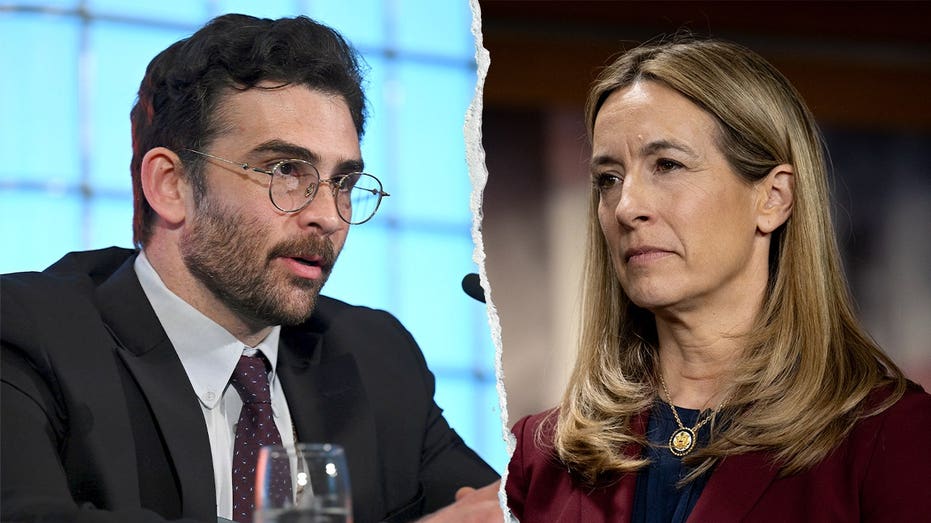
New Jersey Governor Mikie Sherrill is navigating a contentious political landscape, defending her administration’s decision to deploy state police during recent demonstrations outside a Newark immigration detention facility. Governor Sherrill asserts the necessity of state police presence to maintain public order and prevent federal overreach, even as a prominent left-wing political commentator accuses her of aligning with national immigration enforcement policies.
The controversy centers on the deployment of New Jersey State Police around Delaney Hall, an ICE detention center in Newark, where anti-ICE protests have been ongoing. Governor Sherrill publicly defended the police presence, stating her refusal to allow unrest to provide a pretext for expanded federal immigration operations within New Jersey. “I will not give ICE a pretext,” Governor Sherrill remarked, emphasizing her administration’s commitment to preventing federal overreach while upholding the state’s responsibility for public safety.
This measured response reflects a commitment to institutional integrity and orderly governance, characteristic of a state confronting complex social issues. The governor’s stance underscores a delicate balance between protecting the right to protest and ensuring that demonstrations do not devolve into disorder that could invite broader federal intervention.
The governor’s actions have drawn sharp criticism from figures such as Marxist political commentator and Twitch streamer Hasan Piker. During a recent livestream, Piker accused Governor Sherrill of effectively assisting the Trump administration’s immigration agenda. Reacting to the governor’s explanation, Piker reportedly mocked her defense, suggesting her administration was doing the work of federal agencies itself, according to a report from News Desk.
Piker broadened his critique, characterizing Sherrill’s approach as indicative of the “centrist wing of the Democratic Party.” Activists at Delaney Hall have also raised concerns about alleged poor conditions and inadequate provisions for detainees, claims which the Department of Homeland Security has disputed. Such allegations often fuel the intensity of these demonstrations, creating a challenging environment for state authorities.
“Maintaining public order and preventing pretexts for federal overreach are paramount responsibilities of state leadership in navigating complex social issues.”
The incident highlights the inherent tension for state leaders, particularly those in “blue states,” when confronting federal immigration policies. Governor Sherrill’s administration is tasked with upholding state law and order while also responding to a diverse electorate with varying views on immigration enforcement. Her decision to deploy state police can be seen as an effort to exercise state authority responsibly, preventing local unrest from escalating into a situation that might invite federal intervention on less favorable terms.
This episode serves as a reminder that state governors often find themselves at the intersection of local concerns, state responsibilities, and national policy debates. Balancing these demands requires a firm hand and a clear commitment to the foundational principles of governance: maintaining peace, protecting citizens, and asserting state sovereignty within the federal system.
The debate surrounding Governor Sherrill’s response at the Newark facility continues, underscoring the persistent challenges associated with immigration policy and public order in contemporary American politics.
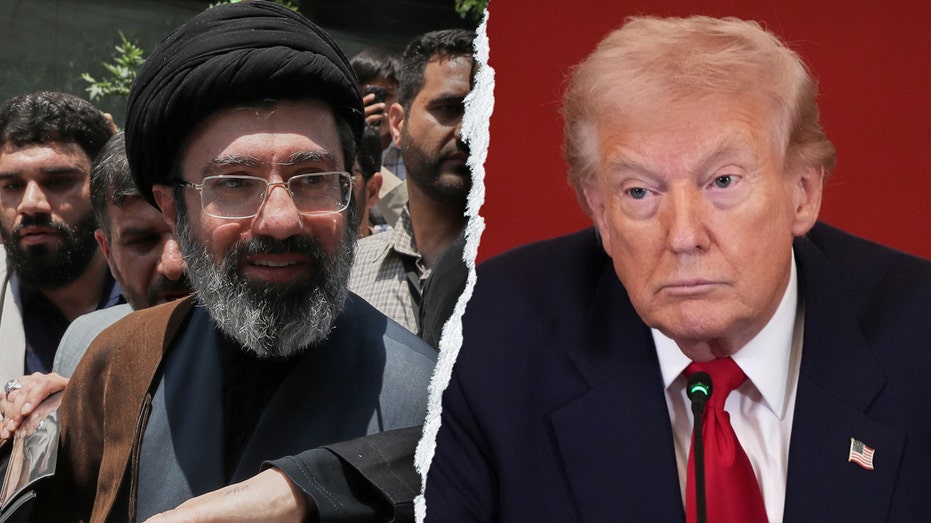
In a significant geopolitical maneuver, Iran’s leadership has launched a robust counteroffensive aimed at diminishing American influence and forging a new anti-US alliance across the Middle East. This strategic push, spearheaded by Mojtaba Khamenei, comes amidst ongoing efforts by President Donald Trump to expand the landmark Abraham Accords, creating a complex diplomatic landscape for regional actors.
An analyst, as reported by Fox News Digital, highlighted that Tehran’s aggressive posturing seeks to position Iran as the region’s new power broker, compelling Gulf states with existing backchannels to choose between Washington’s established security framework and a nascent “New Islamic Civilization” championed by Iran.
Mojtaba Khamenei issued a direct call for a “New Islamic Civilization” on May 26, specifically targeting the same regional capitals that President Trump engaged with regarding the Abraham Accords. Khamenei’s public statement invited all Islamic nations to foster friendship and cooperation for the advancement of the Islamic Ummah, explicitly aiming to resolve the Islamic world’s challenges through collective action.
This declaration notably emphasized shared interests that, in Tehran’s view, will shape the future architecture of the region and the world. Furthermore, Khamenei issued a stern warning that the United States ‘will no longer have a safe haven for its mischief,’ clearly articulating Iran’s ambition to dismantle American military presence and influence.
The intensifying rhetoric from Tehran places several key Gulf states in a precarious position. Many of these nations maintain discreet communications with Iran while simultaneously relying on the United States for security guarantees. The current developments force these governments to carefully weigh their allegiances and strategic interests.
President Trump’s recent diplomatic outreach underscores the shifting alliances. He held phone discussions with leaders from several nations to explore the expansion of the 2020 Abraham Accords, a landmark peace initiative. The countries involved in these discussions included:
This engagement, followed by a post on Truth Social, highlights Washington’s continued commitment to fostering regional stability through diplomatic normalization, directly contrasting Iran’s efforts to destabilize existing frameworks.
“Iran’s leadership is attempting to rally Middle Eastern nations into an anti-American alliance, seeking to position itself as the region’s ‘new sheriff’ and challenging the established order.”
Iran’s strategic objective is clear: to assert itself as a dominant force capable of dictating regional terms and challenging global superpowers. This ambition is not merely rhetorical but is backed by a concerted effort to cultivate new partnerships and exploit existing grievances against Western influence. The ongoing, albeit unconfirmed, negotiations between Iran and the United States further complicate the situation, suggesting a multi-layered diplomatic engagement even amidst public confrontations.
The unfolding scenario represents a critical juncture for Middle East diplomacy. As Tehran pushes for a cohesive anti-US alliance, the imperative for robust and principled American foreign policy remains paramount. Maintaining regional order and supporting allies who champion stability against extremist ideologies is crucial in navigating these complex and evolving dynamics.

New York Knicks center Karl-Anthony Towns, a pivotal figure in the team’s surprising run to the NBA Finals, recently shared a personal anecdote highlighting the enduring legacy of a past Knicks phenomenon. Towns revealed that the thrilling ‘Linsanity’ period, centered around guard Jeremy Lin in 2012, was the primary reason he became a devoted Knicks fan during his high school years in New Jersey.
This candid admission comes as the Knicks prepare for their first NBA Finals appearance since the 1998-99 season, sparking renewed excitement and drawing parallels to past moments of hope in the franchise’s history.
In 2012, Jeremy Lin captivated the basketball world with an improbable surge of standout performances for the New York Knicks. His meteoric rise, dubbed ‘Linsanity,’ offered a beleaguered fanbase a rare sense of optimism and competitive relevance that had been largely absent since the late 1990s. While that specific iteration of the Knicks, featuring stars like Carmelo Anthony and Amar’e Stoudemire, ultimately did not reach the NBA Finals, Lin’s impact was undeniable and far-reaching.
For many, including a young Karl-Anthony Towns, the excitement was palpable. Towns recounted his fervent efforts to acquire Lin’s jersey, underscoring the cultural phenomenon that swept through New York and beyond. The ‘Linsanity’ era proved that unexpected talent and relentless effort could ignite a team and a city, a lesson that resonates even today.
Fast forward to today, and Karl-Anthony Towns finds himself in a position many young fans only dream of: leading his favorite team to the pinnacle of professional basketball. His journey from an ardent admirer of Jeremy Lin to a key player in the Knicks’ current success is a testament to the power of inspiration and perseverance. Speaking to reporters, Towns expressed immense gratitude for Lin’s influence, stating, “He really made me a Knicks fan and had me at Modell’s.”
Towns’ appreciation extends beyond mere admiration; he considers Lin “one of my favorite Knicks of all time, one of my favorite players of all time.” This deep personal connection highlights how individual athletic achievements can transcend the court, shaping the fandom and aspirations of future generations. The current Knicks squad, driven by talents like Jalen Brunson and Josh Hart alongside Towns, has rekindled the city’s basketball passion, much like Lin did over a decade ago.
“I have so much love for Jeremy Lin… he made me so passionate about the Knicks. It’s crazy now that I’m in this position, in this chair, talking to you guys as a Knicks player.”
The current Knicks roster has navigated a challenging season to earn their spot in the NBA Finals, a feat not accomplished by the franchise in 25 years. This achievement signifies a return to prominence for one of the league’s most storied teams. The dedication and teamwork displayed by this group embody the spirit of competitive excellence and institutional pride that fans cherish.
Towns acknowledged that his parents also played a role in steering him towards Knicks fandom over the Brooklyn Nets, cementing his connection to the orange and blue. As the team stands on the cusp of potentially winning their first title since 1973, the echoes of past inspirations, like that of Jeremy Lin, serve as a powerful reminder of the journey and the collective dream shared by players and fans alike. This season’s narrative is not just about winning; it’s about the culmination of years of hope and the enduring legacy of those who first sparked that passion.

A new and deceptive QR code email scam is actively targeting employees, masquerading as official human resources performance review notices. This evolving form of cyberattack, known as ‘quishing’ (QR code phishing), exploits trust in internal communications to trick unsuspecting individuals into compromising their sensitive data and, by extension, corporate security. As digital interactions become increasingly central to professional life, the need for robust institutional protocols and individual vigilance has never been greater.
The scam leverages the convenience of QR codes, a technology widely adopted for quick access to information, by embedding malicious links within what appears to be a routine HR update. This tactic aims to bypass traditional email security filters and move the interaction to mobile devices, where users may be less inclined to scrutinize URLs or sender details, thereby increasing the likelihood of a successful data breach.
The ‘quishing’ phenomenon represents a significant escalation in phishing tactics. Instead of a clickable link, victims are prompted to scan a QR code to ‘access’ their performance review or critical pay information. This method is particularly insidious because it preys on both urgency and professional obligation, often setting a tight deadline for action.
Once scanned, the QR code redirects the user to a fraudulent website designed to harvest credentials, personal details, or install malware. The shift to QR codes is a strategic move by cybercriminals to exploit the perceived security of scanning a code versus clicking a link, and to leverage the less secure environment of mobile browsing for sensitive data input.
Protecting against these sophisticated attacks requires a keen eye for detail and a healthy dose of skepticism. Several clear indicators can help employees discern legitimate HR communications from malicious ‘quishing’ attempts. As detailed by a report from News Desk, these scams often present common warning signs:
“The shift to QR codes is a strategic move by cybercriminals to exploit the perceived security of scanning a code versus clicking a link.”
For individuals and organizations alike, proactive measures are crucial in combating ‘quishing’ and other phishing threats. Employees should be trained to always verify the sender of any suspicious email, especially those requesting sensitive information or urgent action. If an email seems questionable, the safest course of action is to contact HR directly through established, known channels – never by replying to the suspicious email or calling a number provided within it.
Businesses must reinforce their cybersecurity infrastructure, including advanced email filtering, multi-factor authentication for all sensitive systems, and continuous employee education programs. Fostering a culture of security awareness, where skepticism is encouraged and reporting suspicious activity is rewarded, is vital. Protecting the integrity of internal systems and the privacy of employee data is not merely a technical challenge but a fundamental aspect of maintaining institutional order and trust in the digital age.
Vigilance remains the most potent defense against these evolving digital threats. By understanding the tactics of cybercriminals and adhering to sound security practices, individuals and organizations can significantly reduce their vulnerability to sophisticated scams like the QR code email scam, ensuring the continued security of professional and personal information.


