Matox News

Truth Over Trends, always!

New Zealand Urges US for Fuel Tankers to Support Pacific Amid Iran Tensions

The escalating conflicts in the Middle East are exerting unprecedented pressure on regional economies, prompting a diplomatic response that could reshape the geopolitical landscape of the Pacific. New Zealand, a nation long regarded as a middle power with a cautious approach to international alliances, has called on the United States to deploy fuel tankers to alleviate the pressing fuel shortages impacting Pacific island nations. This development underscores a broader geopolitical shift, illustrating how small nations are now actively engaging with global superpowers to safeguard their economic futures amid turbulent times. Meanwhile, the US seeks to avoid escalation in Iran after diplomatic efforts led to a temporary ceasefire, reflecting how interconnected global security is becoming.

During a high-stakes meeting in Washington, Winston Peters, New Zealand’s foreign minister, explicitly highlighted how the war’s ripple effects threaten the stability of the entire Pacific region. He stressed that the war’s economic fallout is not confined to the Middle East but extends to Pacific nations heavily dependent on imported fuel.

  • The Pacific island nations, such as Samoa and Tonga, have already expressed their fears over potential fuel shortages, with leaders appealing for international assistance.
  • New Zealand has taken the initiative to lobby for emergency fuel supplies, requesting the US to prepare ancillary tankers—a move that could set a precedent for regional cooperation in crisis management.

Such requests expose the vulnerabilities of a region that, historically, has relied on external suppliers for critical resources. The geopolitical impact of this shift is profound; Washington’s response will not only influence regional stability but may also serve as a test of its commitment to its allies amidst an era of strategic retrenchment.

Adding further complexity, the recent diplomatic breakthrough between US and Iran, facilitated by Pakistan, demonstrates the delicate balance of global diplomacy. While a two-week ceasefire may suggest a temporary thaw, the implications reverberate far beyond the immediate conflict zone. Some analysts warn that such short-term measures mask deeper geopolitical rivalries and could reset the clock for renewed conflict, especially considering the US president’s overt threats against Iran—warnings pointedly dismissed by officials like Peters as reckless. This international subplot exemplifies the precariousness of current diplomacy: fragile agreements that could quickly unravel, dragging the Pacific and beyond into further instability.

As New Zealand and its Pacific neighbors brace for economic shocks, their reliance on external powers places them at a geopolitical crossroads. Countries in the Pacific are increasingly caught between major influences—be it the US, China, or regional actors—and must navigate this shifting terrain with adept diplomacy. The stakes are high: economic lifelines hinge on international cooperation, but the broader picture signals that the era of relative regional stability may be giving way to a new chapter of strategic contestation. History is still being written through these pivotal moments—each decision, each alliance, shaping the future of a region and the world at large, in ways that could echo for generations to come.

Trump Announces Two-Week Iran Ceasefire Deal—A Win for U.S. Interests

In a move that could reshape geopolitical dynamics across the Middle East, President Donald Trump announced on Tuesday a tentative two-week ceasefire with Iran. The statement, made via social media, signals an April attempt at diplomacy after months of escalating tensions centered around maritime security, economic sanctions, and regional influence. Trump declared that the United States would suspend its military operations against Iran, framing the pause as a ‘double-sided ceasefire’—a seemingly rare diplomatic overture amid ongoing volatile confrontations.

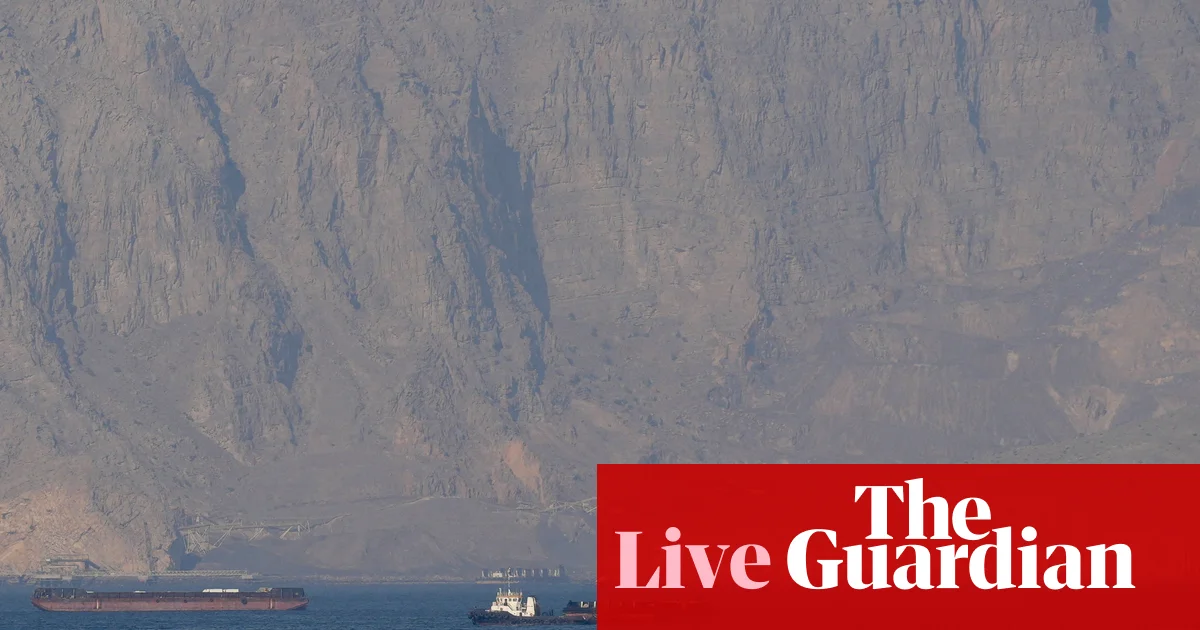
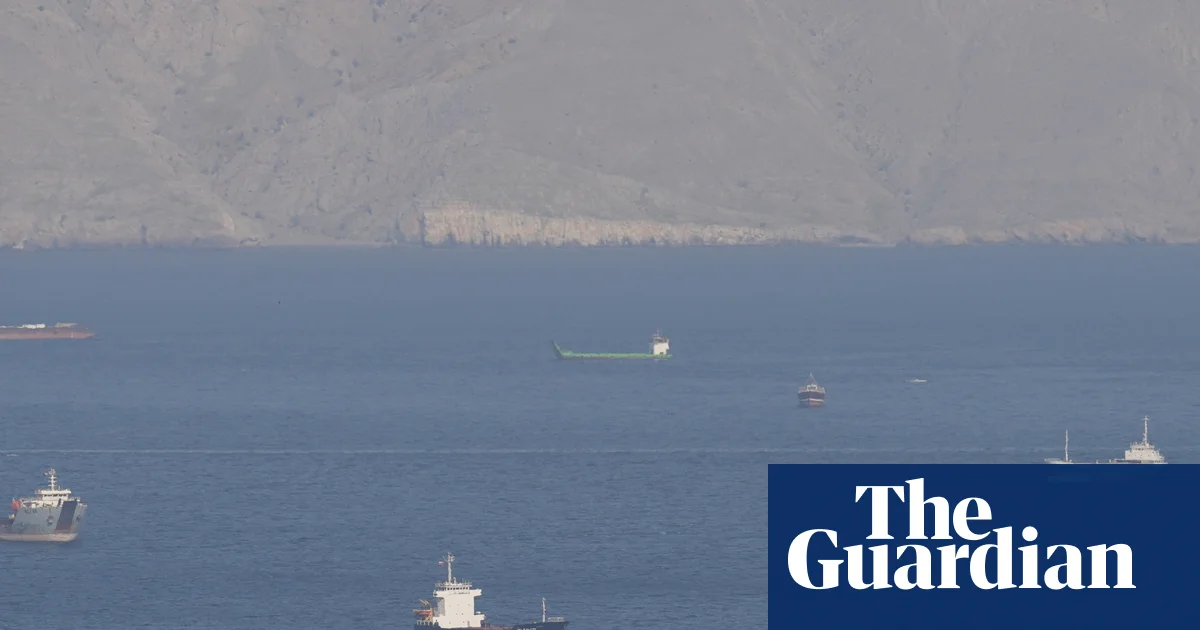
Crucially, the terms of the ceasefire hinge upon Iran’s acceptance of the complete, immediate, and safe opening of the Strait of Hormuz. This strategic waterway has become a flashpoint in recent months, with American and allied forces accusing Iran of disruptive activities that threaten global oil supply. The U.S. administration’s move appears to be rooted in encouraging Iran to de-escalate maritime tensions, which have reverberated through international markets and strategic calculations. Analysts warn that this temporary pause may serve as a prelude to broader negotiations, or alternatively, as a fragile window that could collapse, reigniting conflict in an already troubled region.

International reactions have been mixed. While some diplomatic voices see this as a positive step towards dialogue, many experts urge caution. The United Nations and other global organizations have called for restraint but have also expressed concern that the situation remains dangerously unpredictable. Historians and geopolitical analysts note that Iran’s response will be pivotal, as its leadership has long used maritime control and regional influence as leverage in negotiations. Moreover, the U.S. is facing pressure from domestic and global allies to ensure that this ceasefire does not merely serve as a \”pause\” before more aggressive posturing resumes.

This development underscores the **fluctuating balance of power in the Middle East**, with the U.S. seemingly adopting a cautious diplomatic approach fuelled by uncertainties over Iran’s intentions. The move could have far-reaching repercussions, affecting not just regional stability but also global energy markets and international security architectures. As the world holds its breath, history’s next chapter remains unwritten, with the weight of unspoken consequences lingering in the shadows of this tentative peace.

MAGA Movement Fractures: Trump Warns Iran Risks ‘Entire Civilization’ Over Deal – Live Update | Trump Admin

As President Donald Trump escalates his rhetoric and military threats against Iran, the geopolitical landscape of the Middle East and international diplomacy faces unprecedented turbulence. Trump’s recent threats, including promises to target Iran’s civilian and energy infrastructure if Tehran fails to reopen the Strait of Hormuz, represent a significant departure from traditional U.S. policy. Historically, such threats have been condemned by international watchdogs and analysts who warn that escalating military rhetoric could spiral into a full-scale conflict with widespread consequences. Prominent geopolitical scholars argue that these actions risk destabilizing the already volatile region, with ripple effects extending far beyond Iran’s borders, impacting global energy supplies and regional alliances.

The U.S. administration’s stance appears to have fractured even within Trump’s own political base. As the crisis deepens, voices from the right-wing echo chamber are voicing concerns over the potential for catastrophic escalation. Former Fox News anchor Tucker Carlson condemned the escalation as “vile on every level,” emphasizing that the threats to kill civilians and destroy Iran’s infrastructure are reckless and unprecedented in American foreign policy history. Meanwhile, figures like Marjorie Taylor Greene have openly called for his removal under the 25th Amendment, citing concerns over his mental stability amid these threats. This internal rift underscores a larger pattern of disunity, as even the most conservative factions begin to question the wisdom of Trump’s aggressive approach.

Internationally, responses have been mixed but increasingly alarmed. The European Union and United Nations have expressed concern over the risk of war, with diplomats warning that such threats undermine efforts toward de-escalation. Historically, analysts like Dr. James Dobbins, a retired U.S. diplomat, have emphasized that miscalculations driven by inflammatory rhetoric could escalate into a conflict that would have devastating regional and global consequences. Oil markets have reacted sharply as well; Brent crude prices have surged above $110 a barrel, reflecting fears of supply disruptions given Iran’s strategic importance. Oil experts warn that such instability could trigger a broader energy crisis, reverberating through global markets and economies already fragile from recent disruptions. The geopolitical upheaval around the Strait of Hormuz thus has the potential to reshape international alliances, reduce U.S. influence in the region, and force nations to recalibrate their foreign policies based on security and economic interests.

This crisis unveils a stark reality: the decisions made today could define the future of international order for decades to come. The dramatic threats by Trump, coupled with internal fractures and global unease, serve as a sobering reminder that the course of history remains uncertain. The coming days will test whether diplomatic channels can withstand this storm or if a misstep will plunge the world into conflict. As history continues to unfold, one thing becomes clear—the era of unchecked military bravado risks turning into a chapter marked by irreversible consequences for nations and societies across the globe. The weight of those choices now hangs heavily in the balance, casting shadows over what the future holds for international peace and stability.

Trump warns Iran: No deal, and we’ll hit back hard in one night

Amid mounting tensions in the Middle East, United States President has issued a stark ultimatum to Tehran, demanding the reopening of the Strait of Hormuz before a crucial deadline on Tuesday. This narrow waterway, a vital artery for global energy supplies, lies at the heart of an escalating geopolitical standoff that could reshape international security and economic stability. The Biden administration’s move underscores a broader strategy to assert dominance in the region while warning that any disruption to this strategic chokepoint could trigger a cascade of consequences worldwide.

The Strait of Hormuz handles approximately 20% of the world’s oil trade, making it indispensable to global energy markets. Its control has long been a point of contention, especially amid Iran’s tense relations with Western powers. Since the US reimposed sanctions and withdrew from the JCPOA (Joint Comprehensive Plan of Action), tensions have soared, with Iran threatening to block the strait in response to American and allied pressures. International analysts warn that a closure—whether intentional or accidental—could spike oil prices, destabilize economies, and ignite broader regional conflicts. The International Energy Agency (IEA) recently cautioned that any disruption here would send shockwaves through global markets, risking a rise in energy costs that could undermine governments and threaten the fragile economic recovery in many nations.

Historically, the control of the Strait of Hormuz has been a flashpoint in regional power struggles. Experts note that the US’s current posture appears aimed at deterring Iran from taking aggressive actions, while simultaneously signaling to Tehran that the West remains steadfast in protecting its interests. Military analysts highlight that the US has increased naval patrols and strategic deployments in the region, signaling a readiness to respond if Iran attempts to close the strait. Meanwhile, Tehran continues to leverage its strategic position, asserting that Western interference and sanctions undermine regional sovereignty. The situation has drawn the attention of international organizations like the United Nations, which have called for restraint and diplomatic engagement to prevent escalation. Yet, with each passing day, the risk of miscalculation increases, and the potential for an all-out conflict looms larger.

Historians and policy experts warn that these tensions are not new but have been accumulating for decades. The decisions made today could set a precedent with far-reaching effects. Scholars like Barry Buzan have argued that control over key maritime choke points is central to modern geopolitics, with the US seeking to maintain influence over strategic waterways while Iran and other regional actors push back to assert their sovereignty. The international community faces a pivotal choice: continue navigating a dangerously fragile status quo or pursue diplomatic paths that could ease tensions. As the US deadline approaches, the world watches with bated breath—every headline, every drone flyby, every command signals the unfolding chapters of history that will define the 21st century. Will cooler heads prevail, or will this be the spark that ignites a broader Middle Eastern conflagration? Only time will tell, but the stakes could not be higher, for every nation, every society, and every future generation.”

Trump deadline approaches as Iran shows little sign of backing down

As the United States approaches a critical diplomatic and military juncture, global attention is fixed on the deadline for Iran to open the Strait of Hormuz. Currently nearing its final hours ahead of Tuesday’s deadline, this situation underscores a pivotal moment in Middle Eastern geopolitics with far-reaching implications for international security, trade, and regional stability. Analysts warn that the outcomes of this standoff could reshape regional alignments, influencing the rhetoric and actions of major powers around the world.

The US president finds himself navigating a narrow diplomatic corridor amid mounting pressure from domestic and international constituencies. The administration’s posture hinges on the precarious balance of deterrence and diplomacy as it seeks to prevent Iran from closing the vital maritime passage that serves as a gateway for nearly 20% of global oil trade. Historians and security experts caution that such attempts to constrain Iran’s access to strategic waterways could escalate into broader conflict, especially if negotiations falter or miscalculations occur. The hawkish wing within the US government emphasizes swift action, citing Iran’s controversial nuclear program and regional influence as justification, while diplomatic channels continue to plead with Tehran to avoid provoking a crisis.

In this context, international organizations such as the United Nations and global economic powers are closely monitoring developments. While some argue that a hardline stance might bolster US credibility, others warn it risks destabilizing an already volatile region. From Tehran’s perspective, the closure of the Strait would serve as a powerful bargaining chip or a show of defiance against Western sanctions and interference. Iranian leaders have historically employed such tactics to secure concessions or elevate their regional influence, prompting a cycle of escalation with unpredictable consequences. The risk to global energy supply cannot be overstated: a disruption could cause crude oil prices to surge, impacting economies from Europe to Asia, and potentially fueling inflation and energy shortages worldwide.

Shifting Alliances and Global Consequences

Regional alliances are also in flux, with Saudi Arabia, the United Arab Emirates, and other Gulf nations closely watching the developments. While traditionally aligned with Western interests, some regional actors are reassessing their strategies amidst Iran’s assertiveness and the US’s unpredictable posture. Diplomats and analysts argue that this crisis could serve as a catalyst for new security arrangements or informal pacts, reshaping the geopolitical landscape of the Middle East for decades to come.

Meanwhile, critics of aggressive US policy emphasize that escalation risks further destabilizing the region, potentially igniting conflicts with global reach. Historian Dr. Stephen Montgomery notes that “historically, attempts to control vital waterways through coercion often lead to prolonged conflicts with unpredictable outcomes, reshaping the course of history.” As the world’s attention remains fixated on this tense standoff, the decisions made in these final hours will reverberate through the fabric of international relations. The question remains: will diplomacy prevail, or will this moment spark a new chapter of confrontation that echoes through generations of history?

As the clock ticks down, the weight of history presses heavier upon leaders, nations, and societies. The delicate balance maintained today could either usher in a period of renewed diplomacy and stability or plunge the Middle East into chaos, with spillover effects felt across the globe. The unfolding story serves as a stark reminder that in the theater of international power, the forces shaping tomorrow’s history are often set in motion today.

Urgent Calls for Ceasefire as Tensions Rise: US and Iran on the Brink of Conflict

In what appears to be a critically pivotal moment in Middle Eastern geopolitics, negotiations for a potential ceasefire over the ongoing five-week-old conflict are underway, yet the prospects remain uncertain amidst escalating rhetoric and military actions. Proposals from mediators including Pakistan, Egypt, and Turkey advocate for suspension of hostilities and reopening the vital Strait of Hormuz, a strategic waterway through which a significant portion of the world’s oil exports pass. These efforts aim to pave the way for comprehensive peace negotiations, but tensions flare as Washington and Tehran exchange ultimatums that threaten to deepen the crisis. Specifically, Donald Trump has issued a stark warning: open the Strait of Hormuz by Tuesday or face targeted strikes on Iran’s power infrastructure and critical bridges. Such aggressive rhetoric underscores the volatility of the current diplomatic landscape and what analysts warn as a potential trigger for broader regional conflict.

The Iranian government remains resolute, refusing to open the strait under immediate threats, citing fears of renewed US and Israeli attacks. Iranian officials have privately responded but maintain that peace negotiations cannot be carried out under “ultimatums and threats of war crimes,” as stated by Esmaeil Baghaei, Iran’s foreign ministry spokesperson. Iran also warns of a “much more devastating” retaliation should escalation occur. Meanwhile, Israel has visibly escalated its military efforts, claiming responsibility for recent strikes on Iran’s South Pars petrochemical complexes—facilities responsible for approximately 85% of Iran’s petrochemical exports. These strikes, announced publicly by Israel Katz, indicate a relentless campaign aimed at crippling Iran’s economic lifeline, raising concerns about a spiraling regional war. Such actions have already sent ripples through oil markets, with Brent crude futures dipping temporarily, hinting at global economic ramifications of the ongoing conflict.

International actors are deeply involved in tracking shifts in this potential flashpoint. Historians and geopolitical analysts warn that the current standoff risks breaking the fragile balance of power in the Middle East. The involvement of Pakistan’s military, in contact with the US vice-president, and Trump’s envoy’s dialogue with Iran’s foreign minister reflect an intricate web of diplomacy trying to prevent full-scale war. Yet, the recent assaults extending to Lebanon—with Israel bombing Hezbollah strongholds and killing civilians—underline how regional alliances and enmities are fueling wider chaos. As Lebanese and other Middle Eastern societies face devastating repercussions, the question lingers: will diplomacy prevail or will this escalation plunge the region into a broader conflict that could reshape global power dynamics? With each day’s passing, history’s weight thickens, leaving the world on the edge of an unpredictable chapter that could redefine the balance of power for generations to come.

U.S. Airman Rescued in Remote Iran: The Untold Story

In an extraordinary display of international coordination and military precision, U.S. government agencies executed a covert operation to extract a high-value individual from hostile territory. The operation, which involved a multitude of agencies working seamlessly across intelligence, military, and diplomatic channels, underscores the expanding complexities of modern counter-terrorism and strategic security efforts. As details emerge, analysts suggest this mission represents a pivotal moment in the ongoing evolution of U.S. global security policy, with ramifications that stretch across global geopolitical landscapes.

Historians and security analysts have long debated the implications of such daring operations, indicating that these missions are not only technical maneuvers but also highly symbolic acts of sovereignty and resolve. According to international security experts, the success of this operation stresses the importance of advanced intelligence gathering and rapid deployment capabilities. However, it also highlights the fraught nature of conducting activities within contested zones, where complex alliances and hostilities often blur traditional lines of warfare. The operation was reportedly the culmination of months of covert intelligence gathering, meticulous planning, and real-time coordination among agencies such as the CIA, Department of Defense, and other allied entities. The ability to pull off such a high-stakes rescue in hostile territory demonstrates the U.S. administration’s unwavering commitment to safeguarding its interests and personnel abroad amidst a sea of geopolitical volatility.

This action’s geopolitical impact extends far beyond the immediate tactical success. It sends a clear message to hostile nations and insurgent groups about the reach and resolve of the United States. The operation’s timing, amidst rising tensions in regions like the Middle East and Eastern Europe, signals a recalibration of America’s strategic priorities, emphasizing proactive and surgical interventions. International bodies such as the United Nations have observed cautiously, with some analysts warning that such high-profile missions risk escalating conflicts and further destabilizing fragile regions where sovereignty is often challenged. Meanwhile, adversarial states are likely to reassess their security strategies in response, potentially leading to increased clandestine activities or retaliatory actions.

Experts like military strategists and political scientists interpret this daring rescue as a testament to the evolving nature of international power dynamics. With each successful operation, the calculus of global influence shifts, reinforcing the importance of maintaining technological supremacy and intelligence dominance. Yet, critics argue that such operations may deepen regional instability and fuel anti-Western sentiment, complicating diplomatic efforts. As the world watches, this unfolding chapter in the ongoing saga of international security continues to shape the course of history, with the weight of future conflicts resting on decisions made in secret operations and open diplomacy alike. What lies ahead remains uncertain, but one thing is clear: this event marks a significant turning point in the theater of global power, where covert operations are increasingly defining the competitive landscape. The pages of history are still being written, and this daring rescue could be remembered as both a triumph and a warning—an enduring reminder that, in the shadows of geopolitics, the stakes have never been higher.

Iran Hits Kuwait’s Oil Assets Ahead of OPEC+ Supply Talks

In a stark demonstration of the escalating tensions in the Middle East, Iranian drones have recently struck vital Kuwait oil infrastructure, inflicting “severe material damage” and threatening to further destabilize global energy markets. The attacks targeted petrochemical facilities, power and water desalination plants, and government offices, causing fires, damage, and potential long-term disruptions. The Islamic Revolutionary Guard Corps claimed responsibility, asserting that these strikes form part of Iran’s broader response to ongoing regional hostilities. These developments underscore the fragile security environment in the Gulf, where strategic interests and regional rivalries continually threaten the stability of global oil supplies.

This assault comes on the heels of a series of aggressive moves by Iran amid a tense backdrop of conflict involving the US and Israel. Just hours before the attack, members of OPEC+—the cartel of major oil-producing nations—convened to discuss measures to bolster oil output, ostensibly to counter the effects of Iran’s recent tightening of the Strait of Hormuz. Yet, Iran’s effective blockade, which prevents about 20% of global crude oil from passing through the strategic waterway, remains a major obstacle to stabilizing the world’s energy markets. Analysts warn that the damage inflicted on critical infrastructure could take months or even years to repair, with the geopolitical impact reverberating through markets and societies worldwide.

Meanwhile, the broader regional conflict is intensifying, with Iran rejecting ultimatums—such as the one issued by Donald Trump—threatening to destroy Iranian infrastructure if Tehran refuses a peace deal. Israeli strikes in Iran’s petrochemical sector have already resulted in casualties, while Iran retaliates by striking targets across neighboring nations like Qatar and Oman. This cycle of aggression risks spiraling into a regional crisis with worldwide consequences. The ongoing violence and ongoing U.S.-backed sanctions further exacerbate Iran’s resolve, and many international observers—including historians like Robert Kaplan—warn that this is a turning point that risks transforming the Middle East into a prolonged theater of conflict, with oil being a pivotal prize.

While the OPEC+ nations have acknowledged the immense costs and logistical hurdles in restoring damaged facilities, they continue to press for increased oil output—initially agreed upon at a modest 206,000 barrels per day—hoping to keep global markets from tipping into chaos. However, the underlying issue remains Iran’s blockade of the Strait of Hormuz, which, even with increased production, cannot fully compensate for the disruptions caused by war and sabotage. The surging oil prices—up more than 50% year-to-date—have already driven energy costs sky-high in the UK, US, and beyond, inflating everyday expenses from fuel prices to heating bills, and fueling political debates. As energy costs tighten economic pressures on consumers and governments alike, the stakes are clear: this is more than a regional conflict; it’s a crisis with the potential to reshape international power dynamics.

As the world watches a specter of chaos unfold in the Persian Gulf, the question remains whether diplomacy can stem the tide of violence or if history will record this moment as the beginning of a new era of rivalry and resource conflict. The geopolitical chessboard is shifting rapidly, with each move echoing across continents: from the streets of London to the corridors of the United Nations, where the weight of history presses heavily. In a future yet unwritten, this struggle for control over energy routes and regional influence could determine the fate of nations, societies, and the global order—if it is not already too late to steer away from the precipice.

Middle East Tensions Flare: Iran Reports 5 Killed in US-Israeli Strikes During Rescue Mission

Unfolding Crisis in the Middle East: A Turning Point with Global Consequences

The recent escalation of violence in the Middle East has sent shockwaves through the global geopolitical landscape, revealing a region on the brink of a protracted and devastating conflict. Iran, under the leadership of its central military command, has decisively rejected Donald Trump’s demands for a swift deal within 48 hours, warning that such threats are futile and dangerous. Meanwhile, a war that ignited with US and Israeli strikes targeting Iranian military facilities has rapidly spread, with the region’s stable geopolitical balance disintegrating in a matter of weeks.

Reports indicate that early Sunday morning, Iran’s forces launched missiles and drones, striking targets in Kuwait and Israel—an unmistakable sign of a comprehensive regional conflict. The Israeli prime minister, Benjamin Netanyahu, confirmed that Israel responded with attacks on Iran’s petrochemical infrastructure, including a strike on the Mahshahr plant, where Iranian media reported casualties. The Iranian military has responded with retaliatory strikes, including missile and drone attacks on Kuwaiti water desalination plants and the UAE’s energy facilities. This ripple effect of hostilities has upended international trade routes, notably the strait of Hormuz, which Iranian forces tightly control. The disruption of this vital conduit for nearly twenty percent of global oil supplies has sent shockwaves through energy markets worldwide, prompting fears of a global energy crisis that could drag economies into chaos.

Expert analysts and historians, including former UN nuclear watchdog Mohamed El-Baradei, warn that the escalation risks transforming the Middle East into “a ball of fire.” El-Baradei’s recent appeals, alongside statements from international organizations, highlight the peril of quick, aggressive military responses that could ignite a regional war with unpredictable, potentially catastrophic consequences. As Iran insists on a permanent security guarantee and rejects Trump’s ultimatums, the potential for a wider conflagration intensifies, with neighboring Gulf countries caught in the crossfire. How nations and societies respond to these threats in the coming days will determine whether the region slips further into chaos or finds a fragile path toward de-escalation.

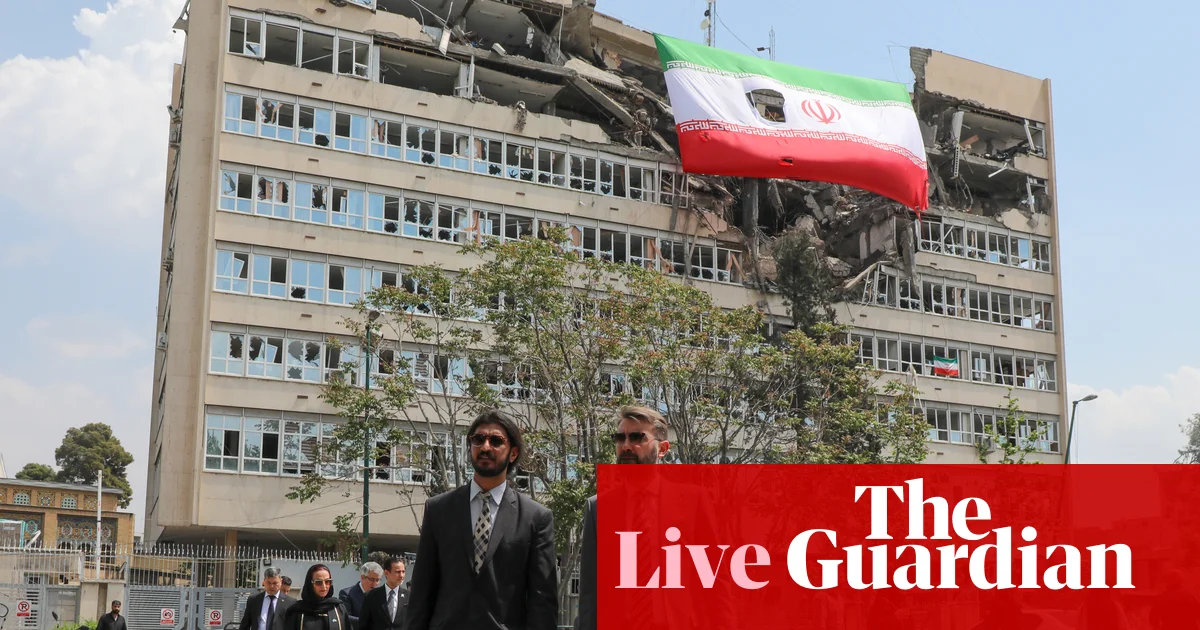
  • The US and Israeli militaries targeted multiple strategic sites in Iran’s capital, including Shahid Beheshti University, with reports of civilian casualties.
  • Hezbollah claimed to have targeted a nascent Israeli warship off the Lebanese coast, an assertion which remains unverified, yet underscores Iran’s proxy ambitions and regional proxy conflicts.
  • In the broader conflict, Lebanon’s death toll exceeds 1,400, with Israeli strikes killing dozens in recent days, a tragic toll that exemplifies the war’s devastating human cost.
  • Meanwhile, aid organizations report severe disruptions in their efforts to deliver food and medicine, citing the cutting off of vital shipping lanes and blockade of supply routes—an unfolding humanitarian crisis that compounds the violence.

As regional powers—Egypt, Turkey, Pakistan—push for diplomatic backchannels to rebuild stability, the global community remains watchful. The United Nations, as well as international leaders, warn that the escalation could spiral into an all-out war, threatening to engulf not just the Middle East but also to destabilize global markets and fuel geopolitical upheaval. Will diplomacy prevail, or will the region become an indelible scar on the map of the 21st century? The course is only beginning to be written, and history’s pen hangs heavy, awaiting the verdict of future generations—whether to be heralds of peace or witnesses to the abyss.

US and Iran swap warnings as search for missing airman intensifies—tensions boil over

In an era marked by burgeoning geopolitical tensions, the voice of Iran‘s leadership resonates with a stark warning that underscores the fragile stability of the Middle East. Ebrahim Zolfaghari, spokesperson for Khatam al-Anbiya Central Headquarters, issued a forceful declaration: “If hostility escalates, the entire region will turn into hell for you; the illusion of defeating the Islamic Republic of Iran will become a quagmire into which you will sink.” This statement, reflective of Iran’s increasing assertiveness, signals a clear warning to regional and global adversaries amid a complex web of alliances, rivalries, and power projections that dominate international diplomacy today.

Analysts note that Iran’s rhetoric is intertwined with a series of recent developments that reveal their strategic resilience. Tehran has been steadily advancing its regional influence, particularly through its support for allied groups and scope of missile and nuclear programs. This posture comes at a time when United States and European Union policymakers seek to navigate a landscape fraught with risks, including potential escalation into broader conflicts. The threat from Iran is viewed by many international organizations, such as the United Nations, as a pivotal factor in regional instability, capable of igniting conflicts with far-reaching consequences.

The global power struggle has shifted dramatically as Russia and China bolster their alliances with Iran, challenging the preeminence of Western influence in the Middle East. This geopolitical pivot risks transforming the region into a battleground for influence, resource control, and ideological clashes. While Washington seeks to uphold its commitments to regional allies like Israel and Saudi Arabia, Tehran’s defiant stance demonstrates how the Islamic Republic perceives itself as a resilient Axis of resistance, willing to confront what it deems external threats head-on.

  • Recent missile tests and nuclear advancements by Iran have prompted calls for renewed sanctions, yet Tehran remains undeterred, asserting its sovereignty and regional interests.
  • Diplomatic efforts towards reviving agreements like the JCPOA remain stalled amid mutual distrust, further complicating prospects for de-escalation.
  • Meanwhile, the Middle East continues to simmer with conflicts, many of which are exacerbated or manipulated by external powers seeking strategic footholds in the geopolitically vital zone.

International historians and geopolitical analysts warn that the current climate of confrontation risks plunging the region into *unprecedented chaos*. Dr. Philip Williams, a professor of Middle Eastern studies, emphasizes that “The decisions made in these crossing points of diplomacy and defiance will sculpt the future of international order itself.” As world leaders grapple with how to contain or confront Iran’s rising assertiveness, the global community stands on the precipice of a transformative epoch—one that could redefine the boundaries of peace and conflict for generations to come.

In the shadowy corridors of power, the echoes of history remind us that decisive moments are often born from the brink of catastrophe. Iran’s leadership, unwavering in its stance, signals a warning that the choices made today will ripple through the fabric of international stability. As the cold winds of geopolitics blow fiercely across the Middle East, the course of history remains in the delicate balance of diplomatic resolve and relentless confrontation. The world watches, perhaps unknowingly, as the next chapter of chaos or peace prepares to be penned—a chapter whose ending is yet unwritten, lingering in the mists of an uncertain future.

Social Media Auto Publish Powered By : XYZScripts.com