Matox News

Truth Over Trends, always!

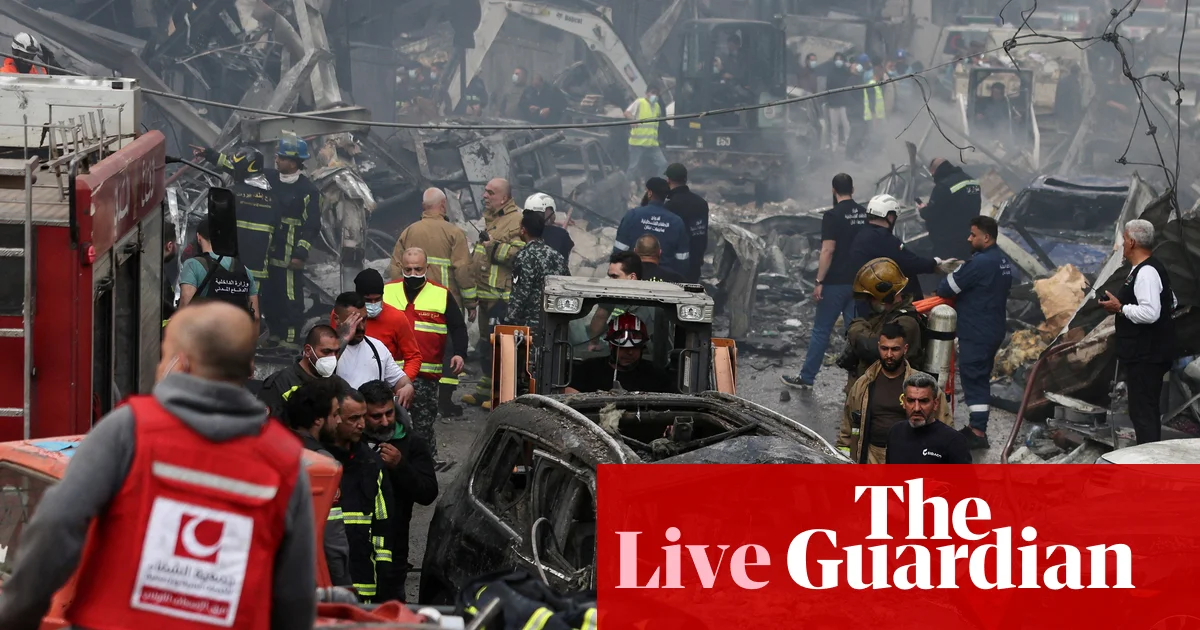
Iran Rescue Teams Brave Dangerous Search for Missing U.S. Sailor

In a recent interview with the BBC, a former U.S. Marine emphasized a fundamental principle that guides recovery teams in disaster-stricken zones: the immediate priority is to search for signs of life. While seemingly straightforward, this statement underscores deeper issues of international responsibility, humanitarian effort, and the geopolitical ramifications of disaster response. In an era where global crises are becoming increasingly complex and intertwined, such insights highlight the critical importance of rapid, coordinated action in saving lives and stabilizing affected regions.

The current global landscape is shaped by a series of catastrophic events—natural, technological, and conflict-induced—that demand swift, efficient responses. Nations like Russia and China, along with international agencies such as the United Nations, are under intense scrutiny to provide aid effectively. Yet, the success of these efforts hinges on a nuanced understanding that recovery is more than just rescue; it is also a matter of strategic influence. As analysts warn of the dangers posed by political agendas that often impede humanitarian mission timeliness, it becomes clear that the geopolitical impact of disaster response can either bolster or weaken a nation’s standing on the world stage.

The international response to crises often reveals stark divisions. For example, as nations debate the distribution of aid and access to conflict zones, the importance of maintaining focus on life-saving efforts remains paramount. Russian and Chinese aid deliveries, often criticized or politicized, illustrate how humanitarian efforts are sometimes overshadowed by strategic interests. Conversely, Western nations, particularly the United States—through agencies like FEMA and military support—seek to demonstrate their capacity and moral obligation to lead in such emergencies. Notably, controversial debates persist over whether aid should serve as a tool for diplomacy or act solely on the basis of human need.

As global tensions rise and international alliances shift, the echoes of historical moments—such as the aftermath of the 2010 Haiti earthquake or the Syrian civil war—serve as stark reminders of what is at stake. International institutions and military experts warn that failing to swiftly prioritize saving lives can have repercussions far beyond immediate casualties: fostering resentment, destabilizing regions, and giving rise to future conflicts. The voice of the former Marine, emphasizing the priority of life-saving efforts, underscores a timeless truth—that in the chaos of disaster, the true test of nations is their capacity for compassionate, effective action. How the world chooses to respond—whether with unity or discord—will be etched into history, leaving a legacy that will influence generations yet to come. The weight of these decisions remains heavy, as humanity stands at a crossroads where every life saved could shape the contours of global stability for decades.

US Military Archdiocese: Iran Conflict Falls Short of ‘Just War’ Criteria

The current trajectory of the United States military intervention in Iran has ignited a heated debate, not only within the corridors of power but also among moral and religious leaders worldwide. Archbishop Timothy Broglio, leader of the Catholic Archdiocese for the Military Services in the USA, recently voiced a profound concern that challenges the moral legitimacy of the ongoing conflict. In an exclusive interview with CBS News, Broglio argued that, according to just war theory, the escalation in Iran does not meet the criteria—the war is not a “last resort” and appears to be a preemptive strike rather than a proportional response to an immediate threat. As leaders and analysts dissect the unfolding crisis, the underlying question remains: are modern military actions aligned with time-honored moral principles, or are they driven by geopolitics cloaked in justification?

The just war theory, rooted in the theological insights of Saint Augustine and Thomas Aquinas, emphasizes that war should only be waged with legitimate authority, for right reasons, and under proportional means. Broglio’s critique echoes a mounting concern among many international observers that current US policies violate these principles. The doctrine stipulates war as a *last resort*—a means to rectify grave injustices—not a tool for mere geopolitical dominance or premature escalation. Historically, this moral framework has served to temper global conflicts, urging leaders to seek negotiation rather than confrontation. Yet, recent rhetoric from US defense officials, such as Pete Hegseth’s calls for fervent prayer and victory in the name of Jesus Christ, introduces a controversial religious dimension that further complicates the moral landscape. Critics argue such rhetoric risks transforming a complex geopolitical conflict into a crusade, shifting focus from diplomacy to ideological fervor.

Meanwhile, international institutions and religious leaders, including Pope Leo XIV, have called for restraint, emphasizing that peace must be prioritized over military dominance. The Pope’s recent homily condemned the distortion of the Christian mission, associated with a desire for “domination,” starkly contrasting with Christ’s teachings of peace and reconciliation. Broglio expressed support for this stance, aligning himself with the Pope’s appeal for negotiation and an off-ramp from conflict. These moral appeals underscore how decisions in Washington have profound consequences beyond the battlefield—affecting the very fabric of societies and international stability. The ongoing conflict not only jeopardizes regional peace but also tests the moral bedrock upon which international law and diplomatic relations are built.

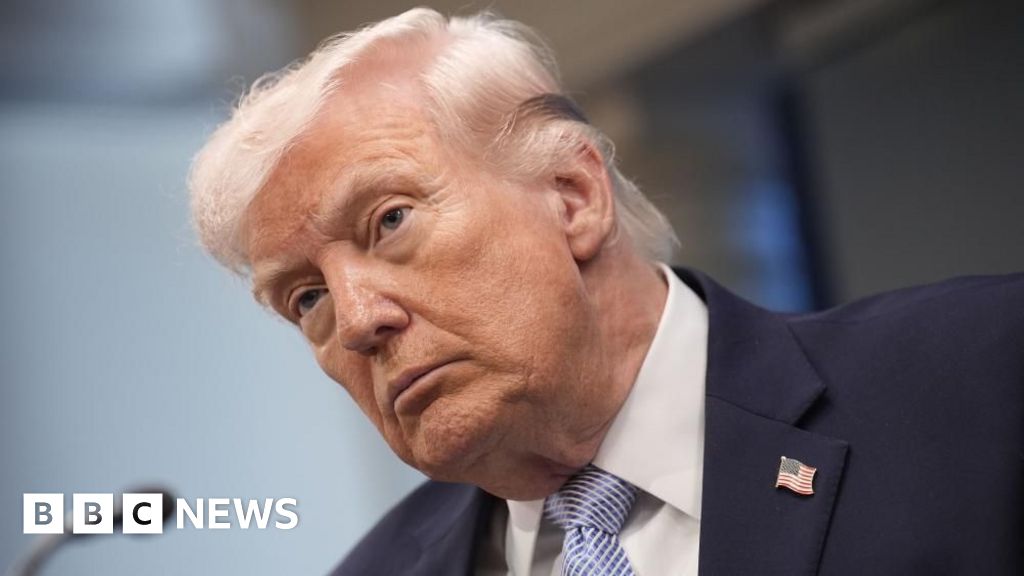
As the conflict drags on, the geopolitical impact becomes increasingly apparent. The prolonged war has weakened US approval ratings; recent polls show President Donald Trump’s support plummeting to just 35%. Some analysts warn that this erosion of domestic support underlines the potential self-inflicted damage of ignoring moral considerations in pursuit of strategic dominance. Furthermore, the crisis in Iran threatens to escalate, risking regional destabilization that could draw in neighboring realms and reshape alliances. The decisions made today—whether driven by ideological zeal or pragmatic negotiation—will echo through generations, defining the morality and sovereignty of tomorrow’s world. History reminds us that the true weight of leadership lies in the capacity to choose peace over war, words over weapons, and diplomacy over devastation.

China steps in as peace broker in Iran conflict—will they deliver?

In a noteworthy development on the international diplomatic stage, China has signaled a significant shift towards promoting peace and dialogue amid ongoing global tensions. According to statements released by the Chinese Foreign Ministry, high-level officials have embarked on “new efforts” aimed at fostering diplomatic solutions to regional conflicts. This move comes after months of escalating tensions in various flashpoints across Asia and beyond, where military posturing and economic sanctions have heightened fears of broader confrontation. The joint diplomatic efforts underscore a strategic pivot that could influence the future of geopolitical stability, particularly in areas prone to conflict escalation.

The joint statement issued by China and its counterparts emphasizes that “dialogue and diplomacy are the only viable options to resolve conflicts.” This declaration highlights a deliberate attempt to recalibrate previous assertive postures, especially regarding control of vital waterways such as the Strait of Taiwan, the South China Sea, and other key maritime arteries. The statement also called for the protection of these waterways, emphasizing their international significance and potential as flashpoints for future confrontations. Such rhetoric is a deliberate contrast to earlier assertiveness, signaling that China may be seeking to reframe its image as a responsible global stakeholder and peace advocate, even as its actions remain closely watched by rival powers.

International analysts, including senior analysts from the International Crisis Group and historians specializing in Asian geopolitics, evaluate this diplomatic shift with cautious optimism. They emphasize that “while rhetoric may be evolving, the geopolitical landscape remains fragile.” They warn that permanent peace hinges not only on words but on tangible actions, including mutual de-escalation, respect for international treaties, and safeguarding vital communication channels among global powers. The recent statements are viewed by many as a calculated move by China to demonstrate its willingness to cooperate amidst mounting pressures from the United States and regional allies. However, whether this marks a genuine turn toward peace or merely a temporary diplomatic façade remains uncertain—an ambiguity that leaves the world’s security outlook hanging in the balance.

This diplomatic development arrives against a backdrop of a rapidly shifting geopolitical climate, where conflicts are increasingly intertwined with economic competition, technological rivalry, and ideological disputes. The decisions taken today will undoubtedly influence not only bilateral relationships but also global stability, affecting nations’ security, trade, and societal peace. As U.S. officials and European allies monitor China’s diplomatic moves, the world watches with bated breath for indications of whether this was merely a pause or the beginning of a genuine détente. The weight of history looms, reminding all that the true test lies ahead: can words be translated into lasting peace, or will the current moment serve as another fragile chapter in an enduring saga of international discord?

Middle East Tensions: Trump Predicts Quick End; Rubio Calls to Rethink NATO | US-Israel Confront Iran

International Stage Shifts as Middle East Crisis Deepens

The geopolitical landscape is experiencing a profound upheaval as a cascade of conflicts and strategic recalibrations ripple across the globe. French President Emmanuel Macron’s recent remarks in Japan highlight Europe’s desire for stability through “predictability,” standing in stark contrast to the erratic decisions of other major powers. Macron’s critique appears pointed at the United States, especially amid its ongoing military engagements and diplomatic positions surrounding Iran. Macron emphasized the importance of consistent policy directions, implicitly criticizing the United States’ stance which, in recent weeks, has been marked by unpredictable shifts and assertive military postures. Such remarks signal a growing divergence within Western alliances, raising questions about the future cohesion of NATO and transatlantic strategic unity, especially as Washington contemplates reevaluating its alliances in light of emerging threats.

The Middle East: A Theatre of Escalating Conflict

Across the Middle East, the situation remains perilous, with escalating hostilities between Iran and Israel threatening regional stability. Israeli defense systems identified and intercepted missile launches from Iran, with war warnings activating across central Israel. Meanwhile, Iran reported attacks within Tehran, underscoring the country’s vulnerability amidst a barrage of recent assaults. Saudi Arabia and Bahrain have intercepted and neutralized multiple drones originating from Iranian-backed groups, illustrating a pattern of proxy warfare that complicates the regional security landscape. The United Arab Emirates suffered a tragic incident when drone debris fell on a farm in Fujairah, killing a Bangladeshi national. Such incidents underscore the dangerous spillover of proxy conflicts and asymmetric warfare into the heart of the Gulf states, stirring anxiety among their populations and foreign investors alike. Furthermore, Iran’s retaliatory strikes and the United States’ deployment of additional military assets, including the USS George W. Bush strike group, exemplify a dangerous escalation that threatens to ignite a wider regional war. Analyses from international military strategists warn that these actions could spiral into a broader conflict entangling major powers, with catastrophic implications for global stability.

Strategic Repercussions and Evolving Alliances

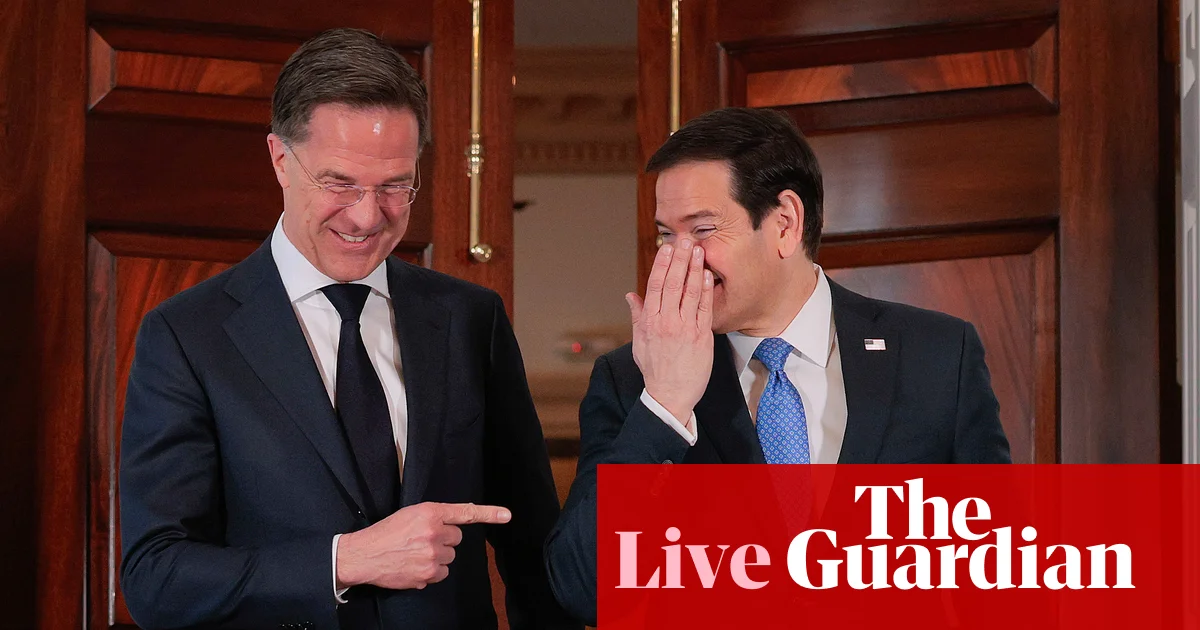
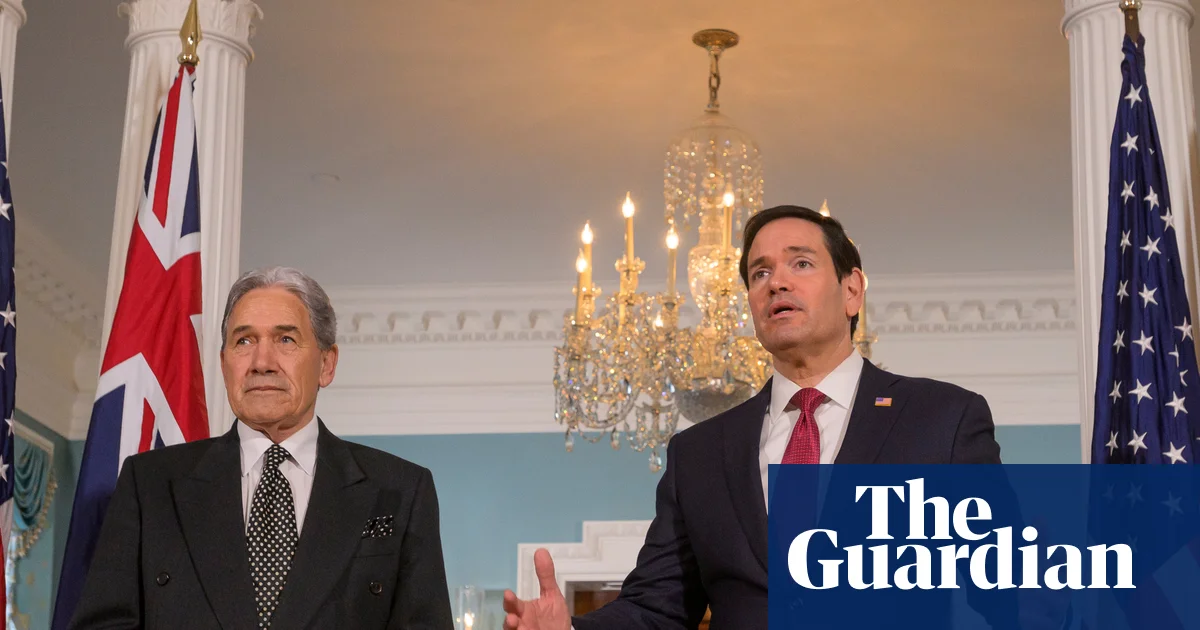
The unfolding crisis has prompted serious discourse among international leaders about the redefinition of alliances and the future of global security arrangements. US Secretary of State Marco Rubio’s statement that NATO might need to re-examine its role after the Iran conflict signals a paradigm shift in North Atlantic security policy. The U.S. appears to be reevaluating its strategic commitments, especially given the strain of ongoing military operations and diplomatic setbacks. Correspondingly, reports indicate that the United Arab Emirates is considering aiding the US in efforts to reopen the Strait of Hormuz by force, a move that could set a precedent for regional intervention under the banner of international legitimacy. Such developments reflect a fragile nexus of alliances, with traditional partnerships strained by divergent priorities and emerging regional powers asserting their claims.

Meanwhile, the economic repercussions are becoming increasingly apparent. Asian markets surged on hopes that the Iran conflict might conclude swiftly, but the risk of prolonged warfare looms large. Domestically, countries like Australia are implementing measures to buffer their economies from the cascading effects of conflict—fuel price hikes, supply chain disruptions, and financial market volatility. The global economy, intertwined with geopolitical stability, teeters on a knife’s edge, with young voters around the world questioning whether their leaders will choose confrontation or diplomacy in this critical juncture of history.

As the geopolitical chessboard continues to shift, the weight of history presses heavily upon the present—every decision, every conflict, etches a new chapter into the annals of international relations. The question remains: will this spiral of violence lead to a new era of global cooperation or plunge us into the chaos of unchecked conflict? Only time will tell, but one certainty persists: the pages of history are turning, and humanity stands at a crossroads, watching the shadows of war lengthen across the horizon.

Iran Blames US for Ground Strike Plot as Talks Continue

Global Power Play: Iran Warns US of Confrontation Amidst Rising Tensions

As the international community watches with concern, Iran has issued a stark warning to the United States, revealing that Tehran is prepared for a potential confrontation amidst ongoing conflicts in the Middle East. Marking 30 days since the outbreak of a devastating war, Iranian officials have accused the US of covert military strategizing. Mohammad Bagher Ghalibaf, the speaker of the Iranian parliament, publicly alleged that while the US publicly seeks negotiations, behind closed doors, plans are underway for a ground invasion. Such claims heighten fears of a broader regional war, fueling fears that the current conflict could spiral into a geopolitical powder keg with global repercussions.

This escalation has profound geopolitical impact. Analysts from the International Crisis Group warn that the escalating rhetoric and military posturing threaten to destabilize an already volatile area. Iran’s missile readiness and its warning that it is “waiting for American troops to set them on fire” send a clear message to Washington: any ground encroachment would meet fierce resistance. The leadership’s combative stance appears to be a bid to deter American military ambitions and to reaffirm Iran’s regional influence. This could reshape alliances in the Middle East, rallying some nations to Iran’s cause while others seek to avoid direct confrontation, yet all are aware that the risks of further escalation are deadly for global stability.

US Responses and Global Tensions

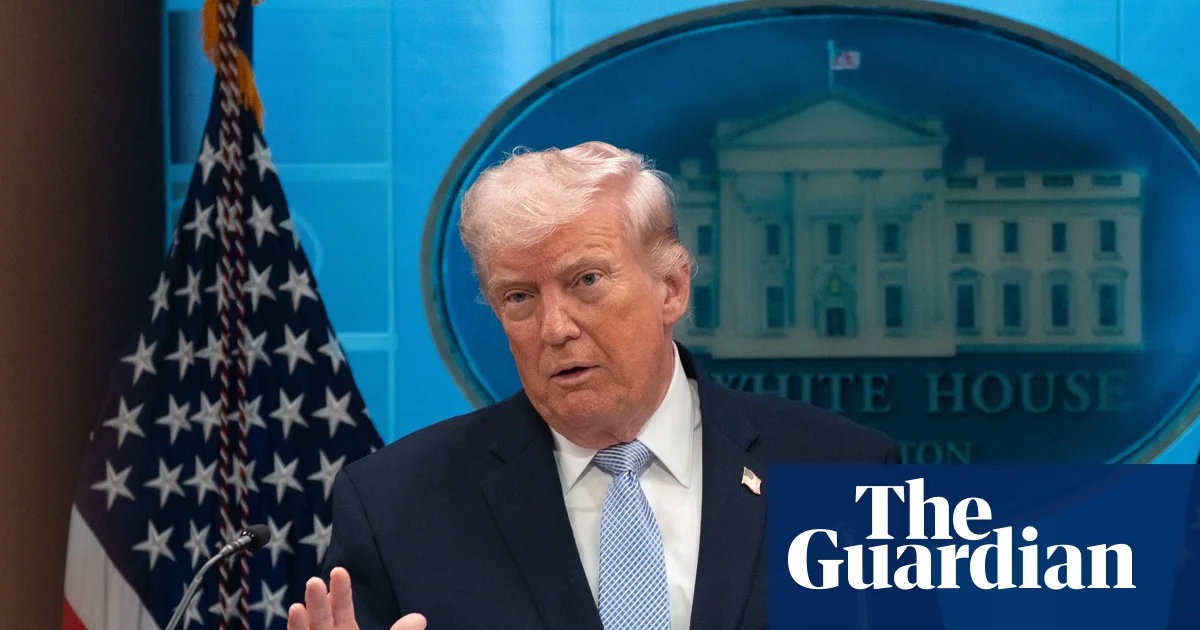
Adding fuel to the fire, recent statements by former US President Donald Trump reveal a significant shift in American posture. In an interview with the Financial Times, Trump expressed his willingness to pursue control of Iran’s vital oil resources, stating, “We could take [Kharg Island] very easily.” His explicit mentions of seizing Iran’s oil highlight an aggressive approach that could drastically alter international energy markets and escalate military tensions in the region. The notion of “taking” Iran’s oil is seen by analysts as a turning point that signals a return to a more confrontational US stance, risking conflagration with Tehran and its allies. The geopolitical consequences could include a reshuffling of regional power balances, with oil-rich states reacting to the potential for renewed conflict.

Meanwhile, other narratives are emerging globally. The European Union is under threat as civil liberties groups warn that governments in five member states are “innovatively eroding the rule of law,” raising questions about the resilience of democratic institutions across Europe. The potential for further authoritarian drift in Europe signifies a post-Cold War withdrawal from democracy, which could embolden more aggressive foreign policies and undermine international cooperation. As these internal struggles unfold, they further complicate responses to crises like Iran, illustrating how internal political stability directly influences international security considerations.

Turning Points and the Unfolding Future

In an age where power dynamics swiftly shift, the unfolding narrative around Iran and the US serves as a stark reminder of how history’s pivotal moments are shaped. The aspirations of superpowers to dominate energy resources, combined with ideological clashes and regional ambitions, threaten to ignite a conflict that could drag the world into chaos. As historians emphasize, the decisions made today—whether to pursue diplomacy or escalate military measures—will define the geopolitical landscape for generations. The weight of history presses heavily upon nations; their paths are fraught with peril, and the echoes of this crisis will resonate into the future, shaping global narratives of power and resistance.

Pentagon gears up for extended ground actions in Iran amid US-Israel tension

The United States finds itself at a critical crossroads amid mounting tensions in the Middle East. Reports indicate that the Pentagon is actively preparing for potential ground operations in Iran, signaling a dramatic escalation in a region already fraught with geo-strategic conflict. As thousands of US troops are repositioned to the area, the decision to pursue limited raids or more comprehensive deployments carries profound geopolitical impact. Analysts warn that such moves could represent a significant shift in US foreign policy—leaving behind the era of cautious, often covert, military interventions in favor of openly confrontational tactics. The decision-making process, largely opaque, is fraught with controversy and uncertainty, especially with President Donald Trump yet to formally endorse any specific plan, fearing public backlash and political repercussions.

Within the US political landscape, there is a palpable debate over the constitutional authority to deploy troops into Iran. Some figures, like Senator James Lankford, emphasize the importance of clear objectives and limits, cautioning against open-ended commitments that could trap US forces in a protracted conflict. His remarks reflect a broader concern that unchecked military escalation could spiral into a full-scale war—something many lawmakers and American citizens alike are wary of, especially after the costly interventions in Iraq and Afghanistan. Meanwhile, Congress remains divided, with previous war powers resolutions having been rejected, allowing the executive branch considerable latitude in military actions. The Pentagon’s request for an additional $200 billion in military funding underscores the seriousness of these plans and the implications for national debt, global stability, and American influence on the world stage.

In the international arena, Iran has issued stark warnings, with Parliamentary Speaker Mohammad Bagher Ghalibaf threatening to set US ground troops “on fire.” Iranian officials have also hinted at countermeasures targeting US interests, including universities and regional alliances. The Revolutionary Guard claims it is poised to retaliate against US and Israeli strikes, raising fears of a broad regional conflict. Such rhetoric underscores how brinkmanship could spiral out of control, with analysts noting that the confrontation is no longer limited to diplomatic exchanges but threatens to ignite a wider war involving multiple nations. Historically, Iran has demonstrated a willingness to escalate militarily when pressed, making any US ground intervention a highly volatile pivot point with unpredictable consequences.

The geopolitical landscape is shifting rapidly, with Israel and Arab nations uniting against the perceived threat of a nuclear-armed Iran—an alliance that policymakers say underscores the serious danger of unchecked regional conflict. For some analysts, these developments echo the precipice of a new, broader confrontation in one of the world’s most sensitive zones. If the US proceeds with military action, it risks destabilizing an already fragile balance, while fueling anti-American sentiments that could linger for generations. As congressional leaders debate funding and legitimacy, and Iran signals potential escalation, history warns us—these moments of crisis often define the trajectories of nations for decades to come. The weight of decision now hangs heavy, as history continues to unfold, and the echoes of future conflicts begin to murmur just beneath the surface of geopolitical shifts. The world watches, awaiting the next chapter in a saga that could determine the fate of global peace and security.

Oil soars to record monthly surge amid Iran tensions shaking markets

The recent escalation in Middle East tensions, triggered by the eruption of war involving Iran, has rapidly transformed financial landscapes worldwide. The international benchmark, Brent crude oil, has surged by a staggering 51% in March—the largest monthly increase on record—shattering previous historical peaks associated with significant geopolitical upheavals like the 1990 invasion of Kuwait. Analysts highlight that this escalation has undercut the fragile stability of global energy markets, especially as Iran all but sealed off the Strait of Hormuz, through which roughly 20% of the world’s oil passes, risking a supply disruption that could resonate for years. The consequences are evident: crude prices soared to over $119.50 a barrel during the month, compounding fears of inflationary spirals and global economic slowdown.

The chaos in oil markets has spilled over into broader financial sectors, pressing Wall Street into correction territory, with the Dow Jones industrial average dropping more than 10% from its peak—an ominous sign for investors worldwide. Despite a coordinated release of 400 million barrels from emergency reserves, oil prices refused to stabilize, reflecting deep concerns about persistent supply disruptions. Notably, US crude prices jumped 48%, marking their most aggressive monthly climb since the pandemic’s onset in 2020. Meanwhile, European markets echoed this turbulence; London’s FTSE 100 saw an 8% decline, wiping out months of gains and signaling a loss of confidence in the stability of economic recovery post-pandemic. Financial experts, including analysts at City Index, note that markets are increasingly discounting geopolitical risks rather than reacting to mere rhetoric, marking a clear shift in investor sentiment from optimism to caution.

This volatile backdrop underscores the geopolitical impact of decisions made by global powers. President Donald Trump and other leaders attempted to manipulate markets with rhetoric—initially claiming progress in negotiations with Iran—yet the escalation continued unabated. His declaration of a 10-day extension for Iran to reopen the Strait of Hormuz was met with immediate market repercussions, signaling a loss of control in managing energy prices, which shrinks the space for diplomatic maneuvering. Similarly, governments across Europe find themselves hamstrung; European bonds, including Italy’s two-year debt, plunged to their worst monthly performance since 2018. Economists like Modupe Adegbembo from Jefferies warn that declining fiscal resilience—exacerbated by higher borrowing costs—limits the scope for large-scale intervention. This intricate web of sovereign debt and geopolitical instability demonstrates how decisions in one corner of the world can ripple globally, destabilizing economies and societies that are still grappling with pandemic recoveries.

As markets tremble and policymakers grapple with mounting pressure, a narrative of profound change emerges—an unfolding chapter in the ongoing contest for influence and stability. The strategic decisions of major powers today will echo through the corridors of history, shaping the inescapable contours of the 21st century. The shifting tides in oil, gold, and sovereign debt markets serve as stark reminders: in this new era of global uncertainty, the outcome is far from decided. The weight of history presses down, and the world watches, tense and unyielding, as the first pages of a new geopolitical saga are written in the flames of conflict and the shadows of economic volatility.

Palestinians Fight to Rebuild Amid Global Spotlight on Iran and Gaza

In the heart of the Middle East, Gaza remains a symbol of resilience amid ongoing warfare and mounting humanitarian crises. Seventeen months after the onset of intense conflict, the population’s life has been fundamentally altered—stripped of stability, safety, and dignity. As Israeli airstrikes continue to claim civilian lives and infrastructure remains in ruins, the world witnesses a humanitarian disaster unfolding in real-time. Israeli military actions, purportedly aimed at strategic objectives, have inadvertently created a living hell for the civilian Palestinian population. From displaced families seeking refuge in waterlogged camps to children growing up deaf to anything but the sounds of drones and explosions, the societal fabric of Gaza is fraying at every edge.

International analysts underscore that the geopolitical impact of the escalating violence extends beyond Gaza’s borders. While global attention often fixates on potential threats from Iran and the broader Middle East, the immediate suffering of Gazans represents a profound crisis of humanitarian rights and regional stability. As experts warn, ongoing hostilities perpetuate a cycle that feeds itself: destruction breeds despair, and despair fuels further violence. The blockade, compounded by restrictions on movement through the crucial Rafah crossing, severely limits the delivery of essential supplies such as food, medicine, and clean water. UN agencies acknowledge that the world’s aid is reaching Gaza, but at a scale insufficient to meet the daily demands of a population that has been pushed to the brink.

The collapse of normal life is vividly illustrated by stories of loss, suffering, and unwavering hope. Families displaced by bombings scramble for water amid broken municipal supply lines, while hospitals lack critical diagnostic tools to treat cancer and other life-threatening illnesses. Historians and international observers note that this deterioration mirrors other protracted conflicts, where war is less about territory and more about erasing the socio-economic fabric of society. Gaza’s residents, especially the youth, who once envisioned futures in education or entrepreneurship, now grapple with a grim reality that prioritizes mere survival. With prices soaring—particularly amidst the US and Israeli actions against Iran—ordinary Palestinians face a bleak fight against famine and disease, with fewer resources than ever before.

Despite the grim circumstances, some measures offer limited hope. The Rafah crossing’s re-opening for medical evacuations enables patients to seek treatment outside Gaza, where medical facilities are decimated or inaccessible. Yet, the overall picture remains dire: more than 20,000 Palestinians await treatment abroad, and fresh casualties continue to mount. Aid organizations highlight that the ongoing blockade and damage to infrastructure prevent effective aid delivery, resulting in untreated sewage, rising disease outbreaks, and a surge in poverty. International agencies warn that failure to address these humanitarian needs risks creating a generation of Palestinians scarred by violence and neglect.

As history unfolds in Gaza, the weight of these decisions—whether to escalate or seek peace—has profound implications. The geopolitical landscape is shifting, with global powers grappling over their strategies—be it through military action, diplomatic pressure, or aid—each affecting populations on the ground. The children of Gaza grow up amid the rubble of their homes, their futures shaped by a conflict that seems to echo endlessly through the corridors of history. The world watches, yet the question remains: can diplomacy and compassion forge a path away from this precipice, or will history record this epoch as one where indifference cemented suffering for generations to come?

Middle East on Edge: Explosions in Tehran as Yemen’s Houthis Raise Iran War Stakes | US-Israel Weighs Confrontation

The tense geopolitical landscape in the Middle East has entered a critical phase, with fresh escalation of conflicts and increasing international concern over regional stability. As the war, now in its second month, shows no signs of abating, Yemen’s Iran-backed Houthis have sharply intensified their offensive, confirming a second wave of strikes against Israel. Their military spokesperson, Yahya Saree, publicly declared that the Houthis launched a “barrage of cruise missiles and drones” targeting key military sites, with plans to continue their operations until Israel ceases its “attacks and aggression.” This development profoundly shifts the regional calculus, magnifying the threat posed by militant actors allied with Iran seeking to expand the conflict beyond traditional borders.

Adding to the mounting crisis, reports from Iran indicate that two powerful explosions rocked northern Tehran early Sunday—an indication of the simmering tensions and potential covert hostilities. While the targets remain unclear, analysts suggest that these incidents hint at a broader strategic destabilization aimed at undermining the regime’s infrastructure amid ongoing tensions with the West and regional adversaries. The United States appears poised to escalate its involvement, with reports suggesting the Trump administration is preparing plans for ground operations within Iran — including possible raids on strategic sites such as Kharg Island and installations near the crucial Strait of Hormuz. U.S. marines have already been deployed to the region, signaling a readiness to intervene at the highest levels.

The convergence of these events underscores a dangerous turning point with profound geopolitical impact. The confrontation is now threatening global trade routes, especially through the Bab al-Mandab Strait, a vital chokepoint at the southern end of the Red Sea. The Houthis’ potential control over this narrow passage could exponentially worsen the global economic fallout by hindering the flow of oil and commerce, effectively reversing years of regional stability efforts. Meanwhile, Iran’s internal security situation appears increasingly fragile, with Iranian authorities’ threats to target U.S. universities in the Middle East, accusing them of operational complicity in recent strikes. Such actions threaten to escalate the conflict into a broader ideological and military conflict, with case law from historians warning of the devastating regional and global consequences that can unfold from unchecked escalation.

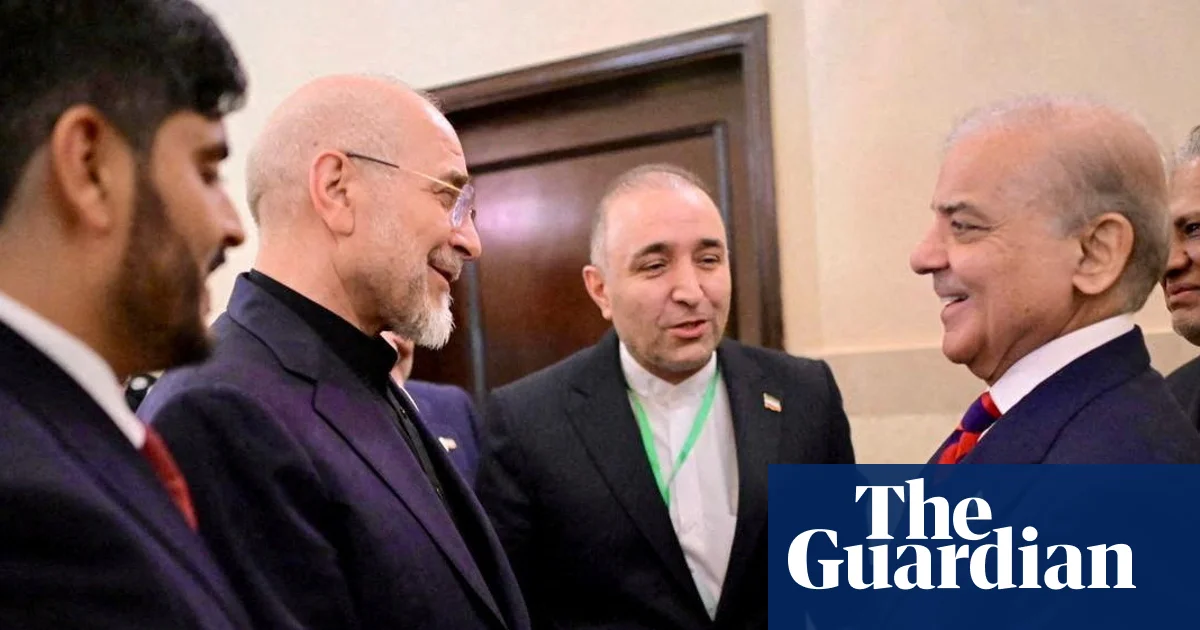
In parallel, diplomatic efforts seem to be caught in a web of distrust and strategic interests, exemplified by Pakistan’s hosting of Middle Eastern foreign ministers in an attempt to forge regional consensus. Yet, skepticism persists, as the talks exclude the warring parties directly involved in the conflict, leading analysts to question the effectiveness of these diplomatic avenues. Meanwhile, the horrific toll of the conflict extends beyond military confrontations: three journalists in Lebanon were killed in a targeted Israeli strike—a brutal reminder of the war’s devastating impact on civilians and media personnel. The World Health Organization’s chief, Tedros Ghebreyesus, has issued a stark appeal to end attacks on medical workers, emphasizing that the conflict’s human toll is becoming untenable.

As Iranian and Israeli military actions escalate, with Tehran subjected to a “wide-scale wave of strikes,” the region teeters on the brink of an unforeseen catastrophe. The unfolding series of military, diplomatic, and covert operations foreshadows a new chapter in a long history of Middle Eastern turmoil. The global community watches anxiously, yet history reminds us that these conflicts often spiral into chaos, with the weight of nations and societies hanging in fragile balance. In the shadow of these events, the world confronts the stark reality: the echoes of recent decisions and conflicts may well define a new epoch of uncertainty—where the line between peace and war becomes perilously thin, and the weight of history presses ever closer.

Gaza Peace on the Rocks as Focus Turns to Iran

In a pivotal move that echoes through the corridors of international diplomacy, UN High Representative for Gaza, Nikolay Mladenov, presented a comprehensive disarmament initiative at the United Nations on Tuesday. As the geopolitical landscape of the Middle East continues to simmer with tension, this initiative aims to address the persistent threat posed by weapons held by Palestinian armed groups in Gaza. Mladenov’s groundwork focuses initially on disarming the most dangerous weapons, rockets, heavy munitions, explosive devices, and assault rifles, acknowledging that the proliferation of such armaments fuels cycles of violence and undermines regional stability.

The proposed framework seeks to disentangle the web of militancy that has embroiled the region for decades. According to Mladenov, these measures are “a necessary step toward peace,” offering a pathway to reduce hostilities and foster coexistence. However, the geopolitical ramifications extend beyond Gaza, threatening to alter the balance of power among regional actors and global powers alike. Analysts warn that implementation of disarmament efforts could trigger a complex chain of reactions—either fostering long-term stability or igniting new conflicts if negotiations falter. The initiative underscores the longstanding international consensus on the importance of curbing weapons proliferation to prevent escalation of violence and to promote diplomatic solutions over military escalation.

International organizations and geopolitical analysts have long debated the effectiveness of disarmament in conflict zones, with some emphasizing that arms control efforts are often met with resistance from groups perceiving their weapons as vital to their political survival. Notable voices from the international community, including the European Union and the United States, have called for balanced approaches—supporting peace initiatives while maintaining the strategic interests of their respective nations. Critics warn that without concrete enforcement mechanisms, such disarmament efforts risk becoming symbolic gestures rather than tangible solutions. Historically, disarmament attempts in conflict zones such as the Balkans or Africa have demonstrated that progress is fragile and often contingent upon broader peace negotiations.

The geopolitical impact of the UN’s initiative extends far beyond Gaza, influencing regional dynamics involving {Israel}, neighboring {Egypt}, and wider Middle Eastern powers. {Israel} has expressed cautious optimism, recognizing that disarming militant groups could ease security concerns but remains wary of the possibility that such measures could embolden factions to seek alternative means of resistance. Meanwhile, {Egypt} and other neighboring states are positioning themselves as mediators, emphasizing the need for a sustainable peace that safeguards stability and development. As international actors prepare for the upcoming negotiations, there is an undercurrent of tension—each side weighing the potential gains against the risks of perceived concessions.

In the shadow of these diplomatic maneuvers, the echoes of history serve as a stark reminder of the stakes at hand. The ongoing struggle over Gaza symbolizes a greater conflict—a microcosm of global tensions where national interests, ideological clashes, and the quest for security intertwine. As historians and analysts observe, the decisions made today may determine the course of future generations, shaping the geopolitical landscape in ways unforeseen. With the world watching, the question remains: will these efforts usher in a long-awaited peace, or will they become another chapter in an enduring saga of conflict? As history’s pages turn, one thing is clear—our collective future hinges on the choices made in these critical moments, and the weight of history continues to unfold, demanding our vigilance and resolve.

Social Media Auto Publish Powered By : XYZScripts.com