Rising Tensions and Fragile Diplomacy: The Geopolitical Aftermath of the Ukraine Conflict
The ongoing conflict in Ukraine continues to shape the geopolitical landscape of Eastern Europe and beyond. As Vladimir Putin consolidates control over strategic territories such as Pokrovsk and Vovchansk—key towns believed to have fallen into Russian hands—international observers like NATO and the European Union watch with mounting concern. Despite the Kremlin refusing to confirm these reports, Moscow heralds these advances as successes, while Kyiv insists it remains in full territorial control. This ambiguity underscores the dangerous fluidity of the frontlines as Russia claims to have captured over 19% of Ukrainian territory—a stark increase since 2023—highlighting the persistent threat of a broader regional destabilization.
Amid these developments, Ukrainian President Volodymyr Zelenskyy remains resilient, asserting that Russia “must not be rewarded” for its invasion. His diplomatic efforts frenquently involve engaging with European leaders such as Emmanuel Macron and Friedrich Merz, seeking tangible security guarantees and reaffirmation of sovereignty. However, skepticism shadows these talks. Critics from the EU warn that the recent Putin-Witkoff negotiations risk pressuring Ukraine into concessions that could compromise its sovereignty or territorial integrity, casting a shadow over the fragile prospects for peace.
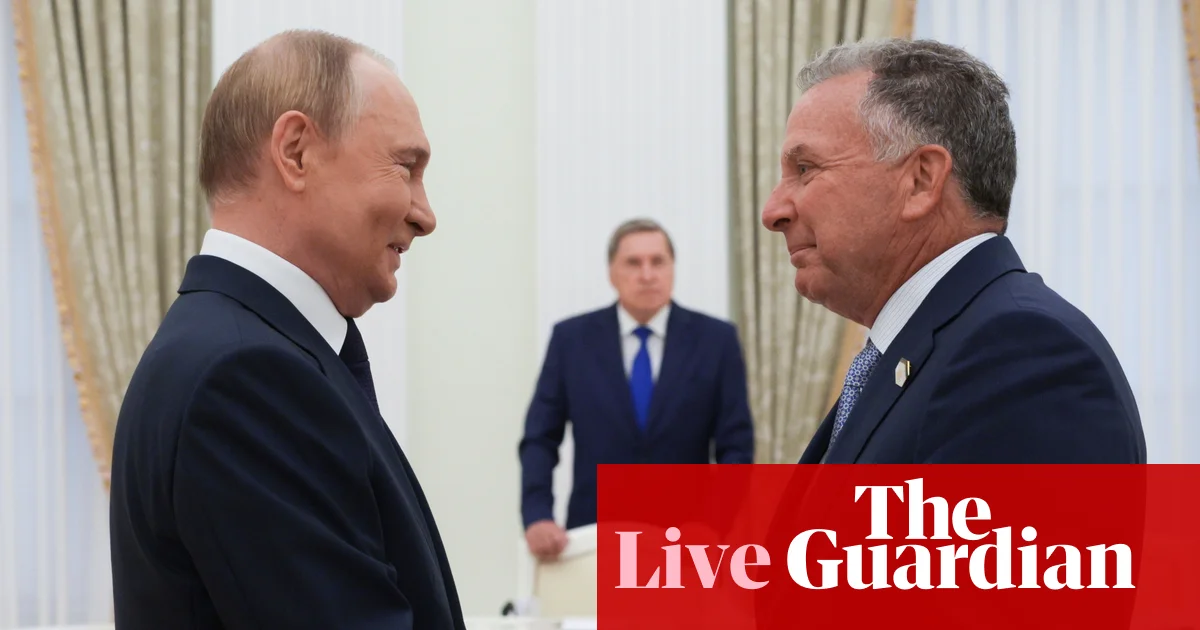
In this tense climate, Steve Witkoff, an envoy linked to Donald Trump‘s inner circle, plays a pivotal role. His recent meetings with Vladimir Putin in Moscow have reignited debates about the nature of American diplomacy. Analysts like Julian Borger note Witkoff’s controversial approach—advising Kremlin officials that land swaps and territorial concessions might be necessary. This approach has sparked fierce criticism, especially regarding the controversial 28-point peace proposal that seems to favor Moscow’s maximalist demands. The profound influence of such diplomatic maneuvering underscores how outside actors, including the United States, continue to shape the conflict, often blurring the lines between peace efforts and power plays.
The geopolitical implications of these negotiations are profound. As historians and international organizations warn, the consequences extend far beyond Ukraine’s borders. An escalation or miscalculation could ignite a broader conflict, dragging NATO allies into a wider confrontation. Meanwhile, Russia’s military advances have accelerated since 2022, with the fastest territorial gains recorded in recent months. The strategic importance of Pokrovsk as the gateway to Donetsk places immense pressure on Ukrainian forces, which refuse to acknowledge Russian territorial gains and remain committed to defending their sovereignty.
Apart from military conflicts, internal crises burden Kyiv’s efforts. Recent scandals involving corruption within Zelenskyy’s government threaten to undermine diplomatic and military strategies just as negotiations intensify. The recent missile attack by Russia in Dnipro, killing several civilians, reminds the world that the war’s human toll remains devastating. As the crisis unfolds, the balance of power, diplomacy, and internal resilience will determine whether Ukraine will triumph, concede, or endure a protracted stalemate— a chapter of history yet unwritten, teetering on the edge of transformation.
As history watches, the choices made in Moscow, Kyiv, and Western capitals hold the potential to redefine sovereignty and influence for generations. Will diplomacy prevail amid the chaos, or will the specter of escalation forever alter the course of modern geopolitics? One thing remains certain—this is a pivotal moment in the 21st century’s global struggle, with each decision echoing across a battlefield where the true winners and losers are yet to be determined. The unfolding chapter of this conflict reminds us all: the weight of history continues to hang in the balance.