U.S. Pentagon Designates Anthropic as a Supply Chain Risk: A Disruptive Move with Far-Reaching Business Implications
In an unprecedented decision that underscores the escalating geopolitical stakes in AI innovation, United States Secretary of Defense Pete Hegseth has ordered the Pentagon to label Anthropic as a “supply-chain risk,” effectively banning U.S. military contracts with one of the industry’s leading AI firms. This move signals a radical shift in how government agencies perceive and regulate AI giants, especially those considered potential security vulnerabilities due to foreign influence or ownership, and could disrupt the flow of AI development for defense and commercial sectors alike. Previously, Anthropic was celebrated for its Claude AI model, a major player in the rapidly evolving AI ecosystem, but now faces the threat of being sidelined at a critical time of geopolitical tension and technological disruption.
This decision arrives after weeks of tense negotiations between Anthropic and the Pentagon, centered on ethical and strategic use of AI technology. The Department of Defense demanded a broad usage agreement, explicitly permitting AI to be applied for “all lawful uses,” including autonomous combat, which Anthropic rejected based on its ethical stance. With the designation of a “supply chain risk,” the Pentagon aims to shield itself from potential security vulnerabilities—foreign control, influence, or ownership—that could compromise sensitive defense systems. The move establishes a new precedent where AI companies could be classified as security risks, compelling Silicon Valley to rethink their engagement with government agencies under the specter of national security.
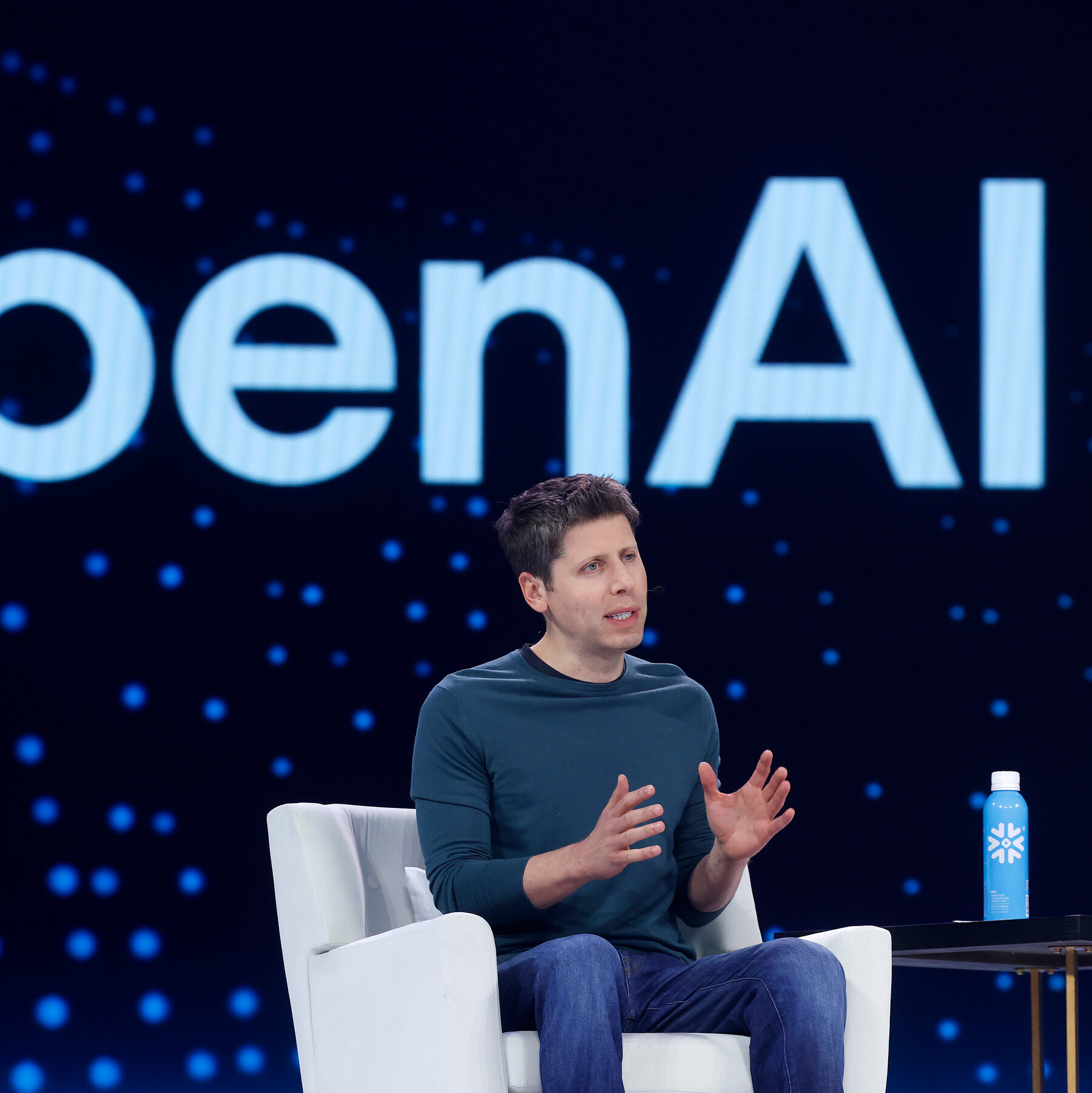
Critics and industry experts are raising alarms over the implications of this action, with Dean Ball, senior fellow at the Foundation for American Innovation, condemning it as “the most shocking, damaging, and overreaching thing I have ever seen the U.S. government do.” Such sentiments reflect a broader concern that the move might ignite a dangerous precedent, fostering a climate of lawfare and regulatory overreach that could stifle innovation. Meanwhile, Sam Altman, CEO of OpenAI, announced that his company had secured a deal with the Department of Defense to deploy models in classified environments, emphasizing safety principles such as prohibitions on domestic mass surveillance and autonomous weapons. This delineation signals a potential bifurcation in AI applications, where some firms may be selectively allowed to work with military and intelligence agencies.
From a strategic business perspective, the designation of Anthropic as a security risk could accelerate industry shifts towards more government-friendly AI solutions or push companies to develop sovereign and domestically controlled AI platforms.
- Disrupts supply chains of AI models crucial for national security and commercial innovation.
- Raises questions about governmental influence over proprietary AI technology.
- Set a potential precedent for further restrictions on emerging AI firms linked to foreign influence.
This movement also indicates that AI’s role in national security is stepping into a new era, where innovation pathways are increasingly being dictated by geopolitical considerations rather than purely technological capabilities. As industry leaders and policymakers grapple with defining AI’s ethical and strategic boundaries, disruption in the AI landscape becomes inevitable.
Looking ahead, the industry faces a crucial crossroads: Whether to adapt to a cautiously constrained regulatory environment or forge ahead with a more autonomous, globally competitive approach. The decision will have profound implications for American leadership in AI innovation, cybersecurity resilience, and tech sovereignty. The stakes are high—the coming years will determine if American AI firms can continue to innovate free from overreach or if they will be confined by an increasingly securitized national agenda. In this dynamic, the urgency for stakeholders to embrace disruptive innovation with strategic foresight has never been clearer, as the battle for AI dominance intensifies on multiple fronts. The future of American AI—its autonomy, security, and global competitiveness—hangs in the balance.