

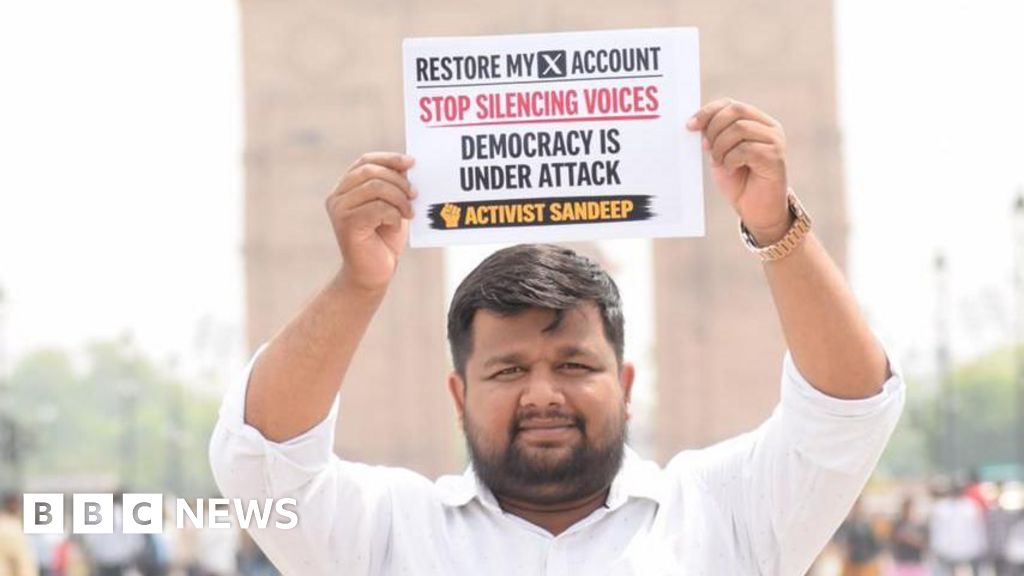
In the rapidly evolving landscape of international digital policy, India’s recent regulatory developments signal a turning point with significant geopolitical implications. As global platforms grapple with compliance in India, a nation boasting over a billion citizens, the balance of power in digital sovereignty is shifting decisively. Critics argue that pressing market access has driven platforms to conform, but at what cost to freedom of speech and legal accountability? This strategic move by New Delhi underscores the broader direction of state control over global online spaces, positioning India as both a burgeoning digital frontier and a case study in authoritarian-leaning regulation.
According to digital policy analyst Pahwa, “Keen to preserve market access in India, platforms comply. Citizens whose speech is restricted receive no notice, no hearings, no reasons, and neither government nor platforms can be held to account by a legal system that is increasingly outpaced by regulatory agility.”
This stark commentary exposes a critical conflict between corporate interests and individual rights within the world’s most populous democracy. As India’s authorities tighten their grip, international observers warn that the erosion of due process and transparency could set a dangerous precedent, intensifying global tensions around digital governance.
The geopolitical impact extends far beyond India’s borders. Major technology firms face a dilemma: to align with national directives risking foreign brand integrity, or to push back against policies seen as infringing on fundamental freedoms. International agencies like The United Nations have expressed concern over the rise of unilateral regulatory measures. Historian O’Connor warns that such trends might catalyze a fragmentation of the global internet, threatening interoperability and cross-border cooperation. Furthermore, analysts suggest that India’s approach might inspire other nations with similar ambitions to prioritize state control over a free digital arena, thereby reshaping the core principles upon which the internet was built.
As these developments unfold, the world stands at a crossroads. With domestic policies tightening and international repercussions mounting, the future of global digital landscapes remains precarious. The decisions made today in India will influence markets, societies, and the very fabric of international relations. The weight of history presses down, and how India’s government balances sovereignty, economic growth, and civil liberties will determine whether the global order will remain united or fracture into isolated spheres of control. As the digital age advances, the core question endures: will this new wave of regulation become a catalyst for authoritarian consolidation, or a step toward more accountable governance? Only time will judge if the choices taken now will forge a future of liberty and openness, or usher in a new era of digital dominance wielded by increasingly powerful states.
















