

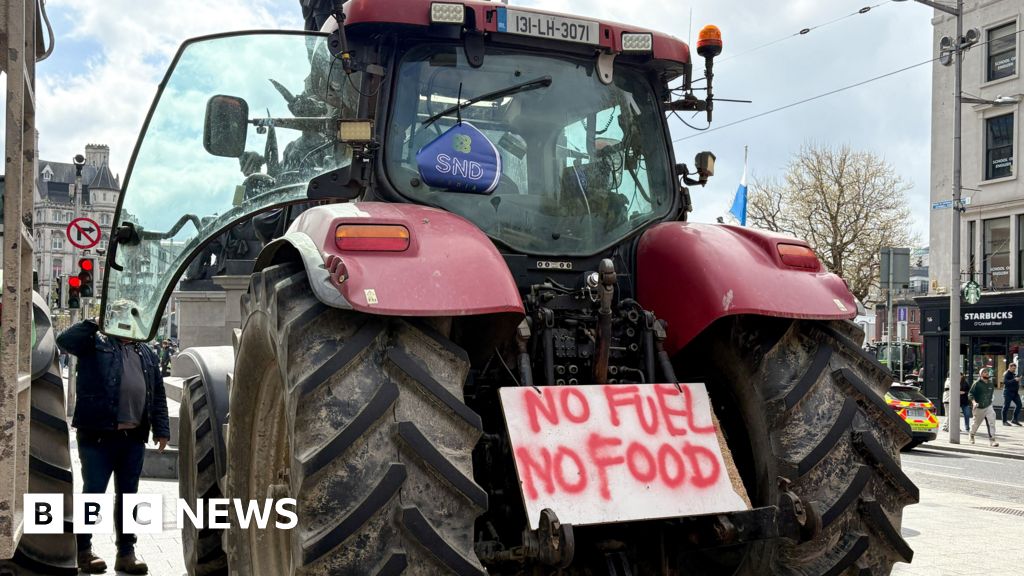
Recent demonstrations centered around rising costs have erupted across multiple regions, shedding light on the profound geopolitical impact of the escalating US-Israeli confrontation with Iran. As protests ripple through cities and highways, the broader consequences extend beyond mere discontent, signaling shifts in international stability and economic resilience. This unrest, driven significantly by economic pressures exacerbated by the ongoing conflict, reflects a society strained under the weight of war and the ripple effects of superpower diplomacy.
At the heart of recent upheaval are the sharp increases in fuel prices and commodities—an outcome of sanctions, tanker rerouting, and disrupted supply chains that have deepened economic vulnerabilities. Experts from the International Monetary Fund and geopolitical analysts argue that these economic disturbances are not isolated; instead, they are harbingers of a broader destabilization that could influence international alliances and power dynamics for years to come. Historian Dr. Jane Roberts warns that history teaches us conflict not only reshapes borders but also ripples through societal stability and civil order. The demonstrations highlight how local populations are affected by decisions made in distant capitals, underscoring the interconnectedness of modern geopolitics.
This surge in unrest coincides with heightened tensions between the United States, Israel, and Iran, where diplomatic efforts and military posturing are shaping a precarious global landscape. The recent military strikes and sanctions against Iran have sharply increased prices and supply uncertainties in global markets, fueling inflation and consumer distress. Countries across the Middle East and beyond face pressures to navigate these turbulent waters, with some analysts warning that any misstep could ignite a broader regional conflict. The United Nations warns that such instability undermines international peace efforts and feeds into anti-globalist sentiments worldwide.
Moreover, the geopolitical landscape is undergoing a profound transformation as alliances shift under the burden of war. Countries such as Russia remain watchful, evaluating how these conflicts open avenues for strategic gains or weaknesses. Decisions made now, including military support, sanctions, and diplomatic overtures, will reverberate long after the dust settles, shaping the post-war order and influence of global powers. International organizations, united in their pursuit of peace, continue to warn that escalation risks drawing a divided world into deeper chaos, with civilians caught in the crossfire.
As the protests continue to obstruct traffic and draw international attention, they serve as a stark reminder: the flow of history is unpredictable, yet often driven by moments of crisis. In the shadows of rising prices and unrest, the true test lies in whether nations can pursue stability amid upheaval or succumb to the chaos that war engenders. The world watches, holding its breath, as the tide of geopolitical currents carries us toward an uncertain future.
















