Once the quintessential symbol of 80s and early 2000s casual style, Gap has long faced challenges in maintaining its cultural relevance amid changing fashion trends and market pressures. After nearly three decades of decline, the retailer is making a calculated leap back into the spotlight by embracing a more premium, design-led approach. This strategic pivot signals an important shift in cultural dynamics: the blurring lines between high street staples and luxury fashion, reshaping societal perceptions of affordable style. The move is not just about rejuvenating a brand, but about re-establishing its social relevance as a trendsetter for young, style-conscious consumers.
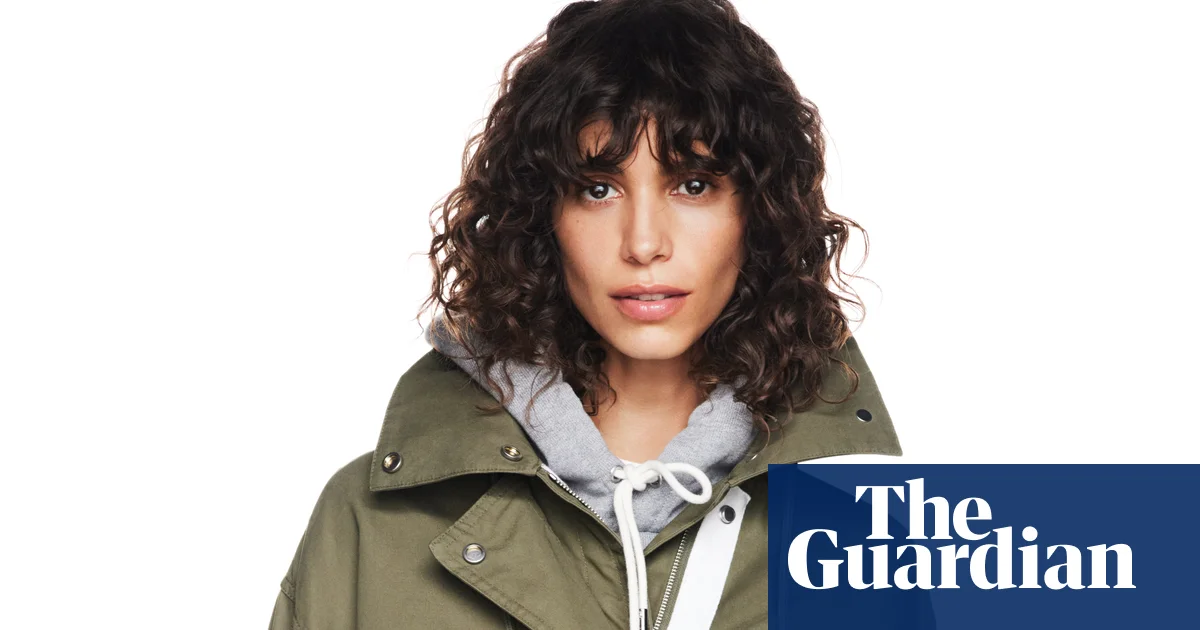
This year, Gap unveiled a collaborative collection with fashion icon Victoria Beckham, marking a new chapter in its “luxification” journey. The 38-piece collection features reimagined classics—denim, shirting, outerwear—through Beckham’s refined design eye. Priced from £25 to £250, the collection balances accessible luxury with aspirational appeal, aimed at a brisk new demographic: younger shoppers who crave both high quality and a sense of belonging to a trend). Pieces like a tailored denim jacket and crisp white T-shirts are rooted in Beckham’s own wardrobe and seen regularly on high-profile runways, positioning Gap as a gateway to high fashion without the high-end price tag.
By integrating pieces reminiscent of 90s style—such as capri pants inspired by Sarah Jessica Parker’s Gap ad—and adding a modern twist with Beckham’s branding, the collection champions cultural nostalgia while pushing fashion forward. The collaboration also extends Gap’s influence beyond its traditional scope, tapping into the network of celebrities and influencers like Anne Hathaway and Timothée Chalamet, who have been spotted in the brand. The strategy, championed by CEO Richard Dickson, reflects a broader industry trend: the disappearance of the traditional luxury/fast fashion hierarchy. As Catherine Shuttleworth notes, collaborations like these are now seen as strategic growth platforms, driving both brand relevance and customer engagement in a competitive landscape.
Gap’s renewed focus on quality and design signals a shift in consumer behavior—particularly among young, price-conscious shoppers seeking products that offer a sense of style, exclusivity, and social validation. This isn’t just about reselling basics; it’s about creating a sustainable identity that balances affordability with a luxury aesthetic. Meanwhile, competing brands like Uniqlo and Cos are already capitalizing on this “affordable aspiration” market, and Gap appears eager to redefine itself as a contender in this emerging space. The success of Gap’s long-term collaborations and its ability to consistently deliver on product quality will determine whether this resurgence is more than just a fleeting trend—it could redefine the future of affordable luxury on the high street.
Yet amid this revival, a next big question emerges: as Gap steps into this nouvelle era of fashion, will it manage to maintain authentic cultural influence while balancing the demands for rapid trend responsiveness? If fashion influencers and sociologists like Shoshana Zuboff are right, the question isn’t just about clothing anymore—it’s about how brands can cultivate genuine connections in a digital age obsessed with authenticity. The future of Gap’s strategy might depend less on collaborations and more on whether it can craft an authentic cultural identity that resonates deeply with a generation seeking more than just style but a sense of belonging—an aspect that could determine if this revival is merely temporary or a true reawakening of an American icon.