Apple’s Next Act: From Efficiency to Innovation Under New Leadership
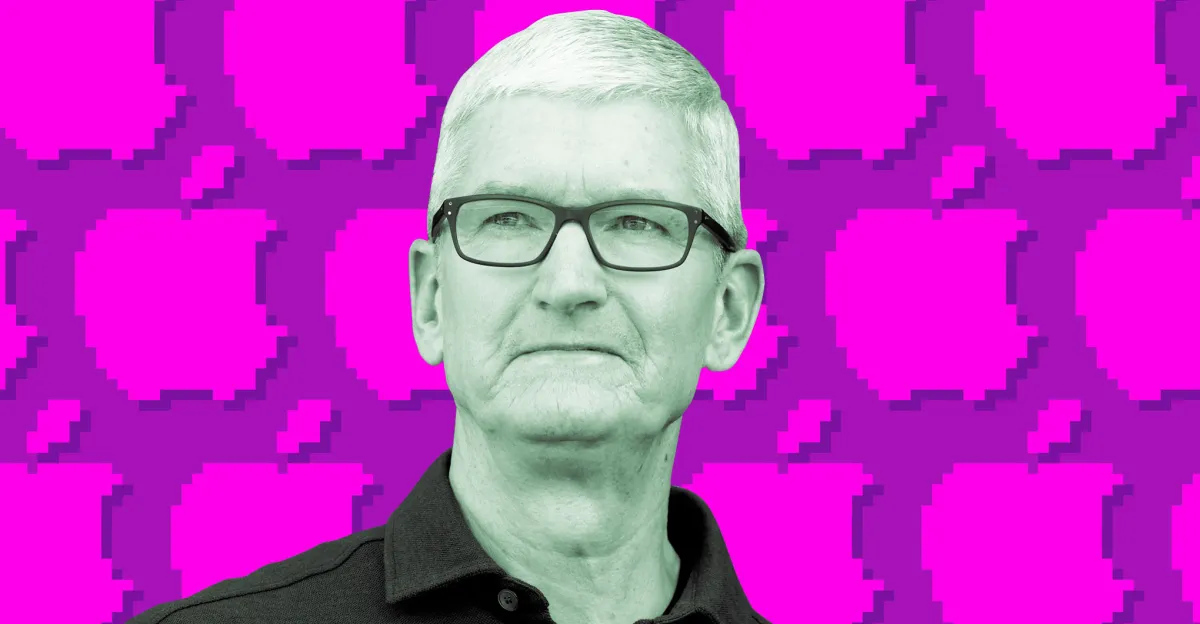
Once synonymous with radical innovation, Apple has undergone a significant transformation over the past decade. The legacy of Steve Jobs forged a path characterized by groundbreaking products like the iMac and the iPhone—technologies that redefined entire markets. However, since Tim Cook took the helm in August 2011, the company’s focus shifted towards operational excellence, optimizing supply chains, and scaling existing product lines to maximize revenues. While this strategy fueled unprecedented growth—making Apple’s valuation surpass that of major oil giants—it also has come under increasing scrutiny as critics question whether this shift signals a plateau in true innovation.
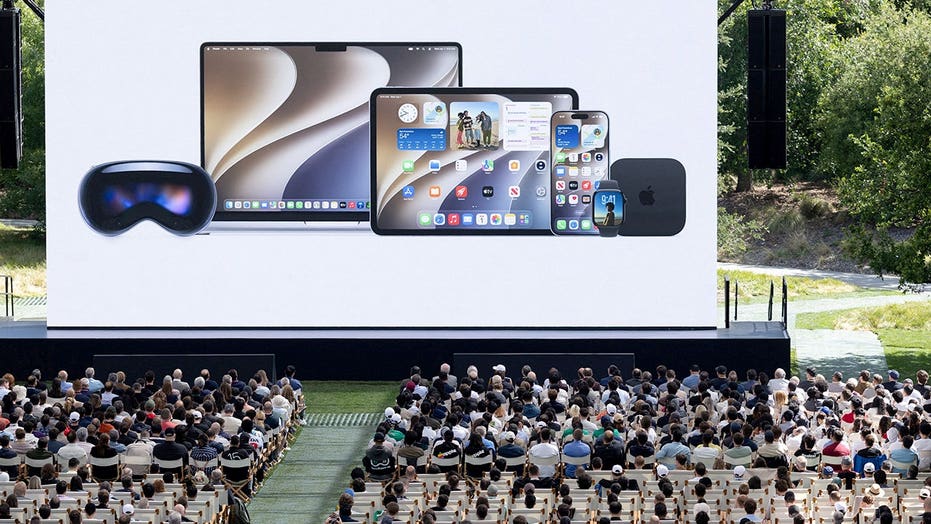
Under Cook’s leadership, Apple became a juggernaut of incremental innovation. The introduction of alternative iPhone models, such as the Plus, Mini, and Pro variants, exemplifies diversification within a proven product category rather than radical disruption. Moreover, the ascendance of services—ranging from iCloud to Apple Music and the App Store—has become a formidable revenue driver. Service revenue now ranks second only to iPhone sales, surpassing Macs, iPads, and wearables combined. This aligns with trends identified by industry analysts from organizations like Gartner, who warn that reliance on services and incremental upgrades could eventually hinder Apple’s growth trajectory unless disruptive innovation is reinvigorated.
Recent legal challenges, notably the Epic Games lawsuit over App Store practices, underscore ongoing industry tensions regarding platform control and antitrust concerns. While Cook’s team was instructed to loosen its grip, the company’s response—marked by slow and insufficient reforms—illustrates a strategic tension: the balance between maintaining market dominance and adapting to regulatory pressures. As Apple faces mounting global regulatory scrutiny, the industry is watching eagerly for signs of Apple’s future innovation capabilities beyond supply chain mastery and operational efficiencies. According to MIT scholars and tech policy analysts, this could be a pivotal moment where Apple either breaks the mold or stagnates within its comfort zone of incremental gains.
Looking ahead, the upcoming departure of Cook hints at a potential new chapter for Apple. The newly appointed VP of Hardware Engineering, John Ternus, promises a fresh approach focused on hardware innovation. The first notable product is the MacBook Neo, an affordable yet powerful device leveraging Apple’s proprietary silicon—an emblem of Cook’s legacy of developing a self-sufficient, supply chain resilient hardware architecture. As industry experts from Harel Gadot at Gartner suggest, this particular move could be the harbinger of the next wave of disruptive products from Apple, if combined with a bold vision that embraces risks and leapfrogs traditional market categories. The challenge for the new leadership will be transforming Apple’s reputation from a master optimizer to a pioneer of technological breakthroughs again, a move that could redefine the industry’s future.
In an era marked by rapid technological shifts—from AI to quantum computing—waiting on the sidelines is not an option. Apple’s ability to harness its operational prowess while spearheading disruptive innovation will determine whether it continues to be a transformative leader or settles into the role of a well-oiled machinery. Industry watchers and investors alike will be evaluating whether the new era of leadership can rekindle Apple’s pioneering spirit—ushering in a future where the company not only masters efficiency but also leads technological revolutions that shape the 21st century.