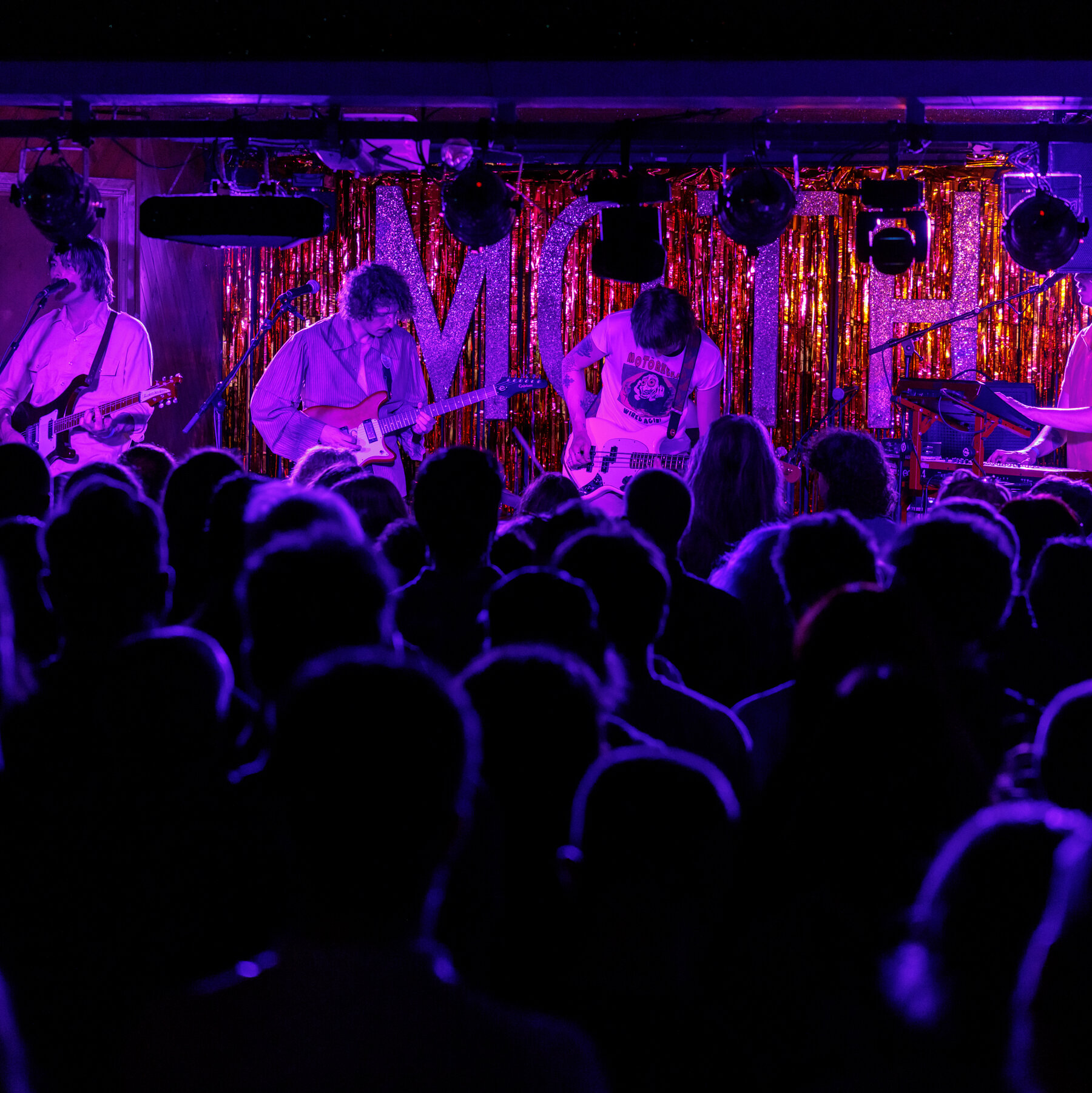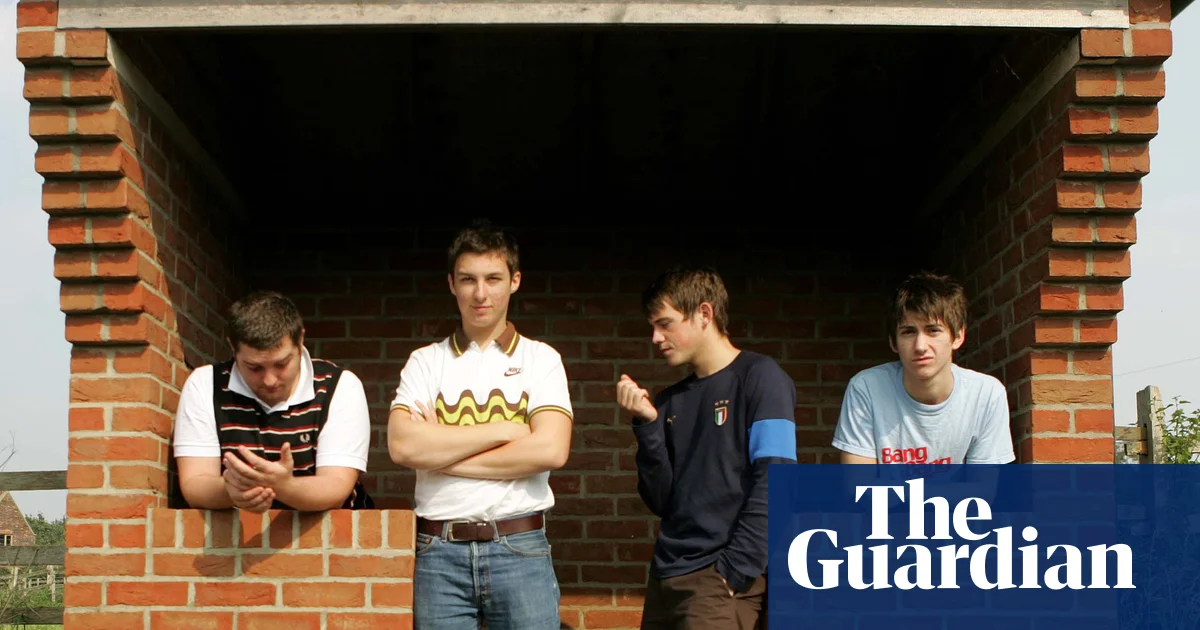
In the early 2000s, the city of Sheffield emerged as a crucible for a rebellious yet deeply rooted musical movement that challenged the sterile conformity of mainstream Western culture. It was an era marked by vernacular authenticity and a shared longing for something genuine—a counterpoint to the hollow gloss of globalized pop. Oasis’s definitiveRock ‘n’ Roll ethos, which once celebrated the grit and grit of working-class Britain, found a new extension in Sheffield’s scene where local bands, fueled by raw talent and an unyielding spirit, sought to redefine identity through sound. The emergence of Arctic Monkeys and their compatriots encapsulated a cultural renaissance where the tradition of regional pride and musical innovation coalesced into a movement that was at once insular and universally resonant.
Central to this phenomenon was a keen sense that culture functions as more than mere entertainment; it forms the very backbone of societal identity. As Ortega y Gasset observed, a society’s cultural expression is the act through which it affirms its unique existence against a homogenizing world. Sheffield’s young musicians, operating in basement gigs, sweaty clubs, and red-brick venues like The Boardwalk, exemplified this principle. Their art was an act of cultural defiance, deliberately rejecting the overearnestness and pretensions of traditional indie stereotypes by the band Long Blondes, who openly mocked the superficiality lurking within the scene. The irreverent, mischievous attitude of bands like Milburn echoed G.K. Chesterton’s notion of progressive tradition: it was not an abandonment of the old, but a deliberate reimagining—an invitation to renewal rooted in the rugged landscapes of Sheffield’s working-class pride.
What makes this story relevant today is the realization that cultural memory is intimately linked to the prophecy of future identity. The bands’ shared history—marked by fierce regional rivalry, familial bonds, and a collective shrug at industry pressures—created a cultural compact that transcends superficial fame. Turner’s lyrical improvisations, influenced by the raw energy of the John Cooper Clarke school, serve as a testament to the power of culture as a language of resistance. Even amidst waves of superficial hype—exploited by music managers who sought to harness the scene—these bands maintained an authenticity that is, perhaps, more precious than fame itself. This speaks to T.S. Eliot’s assertion that the ultimate role of tradition is to be “the memory of humanity,” and the prophecy that guides us toward a future where spirit and culture remain intertwined.
In this narrative of Sheffield’s musical awakening lies a reminder: culture is both memory and prophecy. It is the echo of ancestors who dared to forge new paths, and the whisper of generations yet to come—carrying in their hearts the enduring belief that human creativity, when rooted in authenticity, becomes the greatest act of rebellion and renewal. As we look to the past, we do so with the hope that tomorrow’s culture will continue to honor its sacred commitment to identity, tradition, and the eternal quest for meaning—a journey woven through the very fabric of our shared legacy, a story whispered by the wind, echoing into eternity, awaiting its next chapter in the unfolding poetry of human existence.