

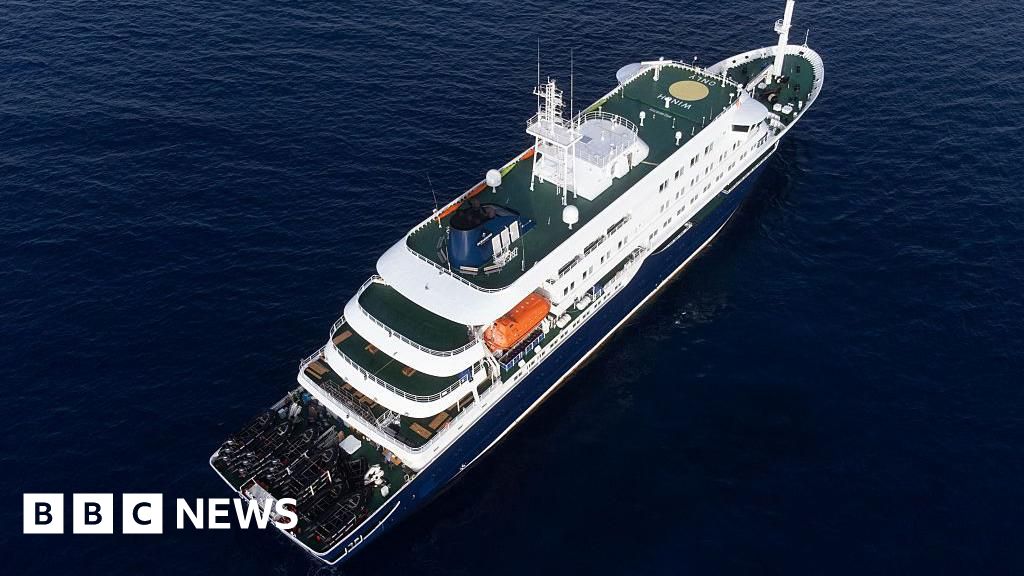
Global Health Crisis Escalates as New Virus Cases Confirmed on International Vessel
In a troubling development, two confirmed cases of a novel virus have emerged aboard an international cruise ship, raising alarm across nations committed to controlling global health threats. The cases, which involve a pathogen that rarely spreads between humans, are notable for their unexpected transmission, challenging established epidemiological assumptions. The situation has been exacerbated by the tragic loss of three lives, signaling a potentially dangerous turning point in the outbreak that has now captured the attention of global health agencies and governments alike.
The incident underscores the fragile interconnectedness of today’s world, where a virus originating in isolated regions can quickly find new conduits across borders via transportation networks. The cruise ship, which was traveling across multiple jurisdictions, not only raises immediate health concerns but also highlights the geopolitical implications of international mobility during outbreaks. Critics argue that this event illuminates long-standing vulnerabilities in maritime health protocols, and legislators worldwide are under mounting pressure to implement stricter quarantine measures. The International Health Regulations of the World Health Organization (WHO) face renewed scrutiny as nations scramble to contain the potential spread of an elusive pathogen once thought to be confined to remote regions.
Broadly, this crisis is exposing the geopolitical fragility of global health security alliances. Countries with advanced medical infrastructure, such as the United States, the European Union, and Japan, have pledged swift responses, yet the incident exposes cracks in international cooperation. Experts, including renowned epidemiologists and analysts from organizations such as the Centers for Disease Control and Prevention, warn that early containment hinges on transparent information sharing and rapid response coordinated across nations. The virus’s ability to leap between humans despite its rarity increases the risk of wider outbreaks, and history teaches that prompts, decisive action can alter the trajectory of such crises—yet delays or misinformation can deepen the catastrophe.
The geopolitical impact of this development extends far beyond health borders. Heightened governmental measures threaten economic stability, as trade routes and global tourism—particularly in the maritime sector—face disruption. Countries with strategic maritime dominance are positioned to leverage their influence in shaping international responses, potentially fueling geopolitical tensions. Meanwhile, international organizations grapple with the urgent need to facilitate cooperation, despite differing national interests and resource disparities. This event serves as a stark reminder that health crises are intertwined with notions of sovereignty and international diplomacy, where the decisions made can either forge unity or deepen divisions.
As history now watches from the sidelines, the unfolding narrative leaves a haunting question: Will the world united in action succeed in thwarting this invisible threat, or will it reveal that even the most isolated diseases can become catalysts for global upheaval? The weight of history is still under construction, and the choices made in these critical hours will determine whether humanity can prevail against the silent march of the pandemic or succumb to its relentless march. The events aboard this vessel provide a sobering reflection—one that underscores the ever-present danger lurking in borders, seas, and social trust amidst a rapidly changing geopolitical landscape.
















