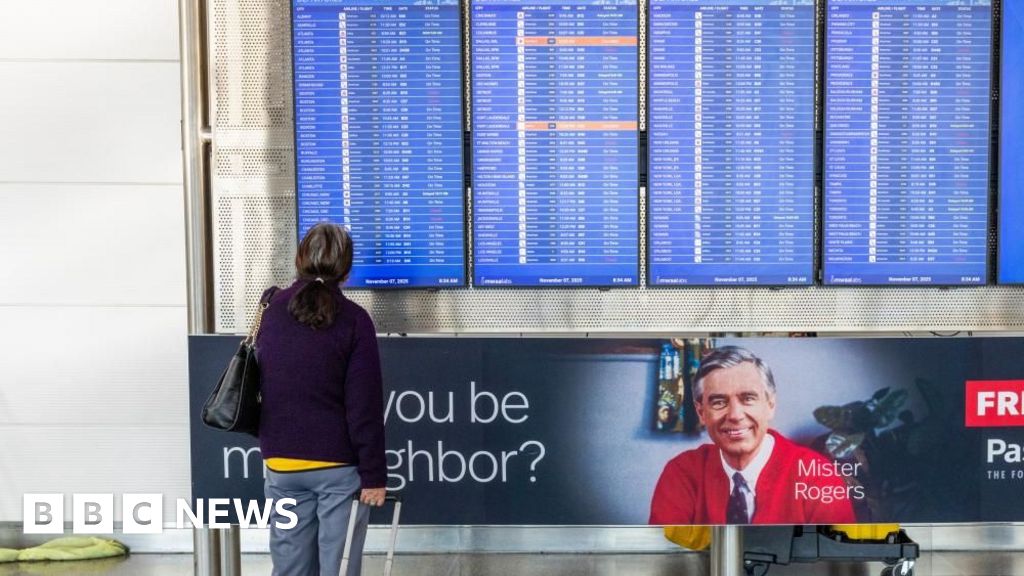
The ongoing US government shutdown has entered its 40th day, marking the longest in American history and sending ripple effects across the socio-economic fabric of the nation. As federal workers face unpaid wages and essential services grind to a halt, the transportation sector bears the brunt of the crisis. Thousands of flights are canceled or delayed daily, with the Federal Aviation Administration (@FAA@) announcing capacity reductions of up to 10% at major airports, such as Newark. These measures are driven by fatigued air traffic controllers, many of whom are working without pay—raising urgent safety concerns and exposing the weaknesses of bureaucratic gridlock.
Analysts and international observers warn that without swift resolution, the impact on the global economy could deepen. Flight delays and cancellations serve as a stark reminder of how domestic political stalemates threaten to destabilize global markets and international travel. US lawmakers are under pressure, with the Senate convening in a rare weekend session, attempting to broker a deal that could temporarily end this impasse. However, the core dispute remains entrenched, with Democrats demanding policy concessions tied to healthcare funding, and Republicans insisting on pure budget measures without additional policy layers. As President Donald Trump proposes redirecting relief funds directly to Americans’ health insurance, global financial markets watch nervously, understanding that timely compromise is paramount to prevent economic contagion.
This crisis highlights the deep fissures in the American political landscape—fissures that have far-reaching geopolitical impact. While Washington grapples with its stalemate, China and Russia observe closely, noting America’s internal divisions and the potential for weakened global influence. The shutdown also reveals the fragility of public trust in democratic institutions, with historians warning that prolonged crises may erode societal resilience and foster disillusionment among youth and working-class Americans. Meanwhile, international organizations like the IMF warn that such internal turmoil could serve as a distraction from pressing global issues, including geopolitical conflicts and economic reforms.
As the hours tick by and the nation stands on the brink of further chaos, the weight of history presses heavily on decision-makers. The words of analysts echo—the prolonged deadlock not only jeopardizes national stability but also threatens to reshape the international order. With each delay, the story of a nation divided unfolds anew, leaving the future tangled in uncertainty and the past whispering warning signs. The question remains: will this chapter in history’s relentless unfolding be resolved in time, or will it become yet another symbol of a lingering, unresolved crisis that stains the legacy of a once-powerful superpower?