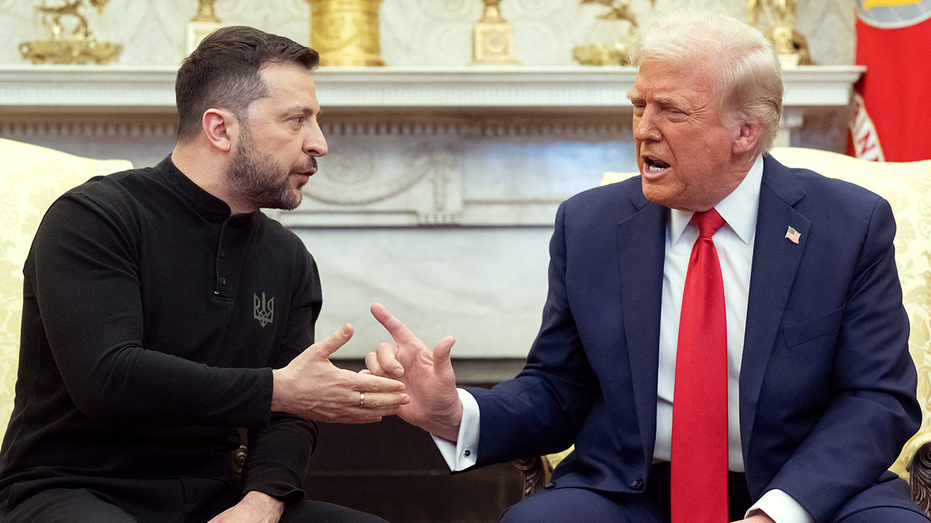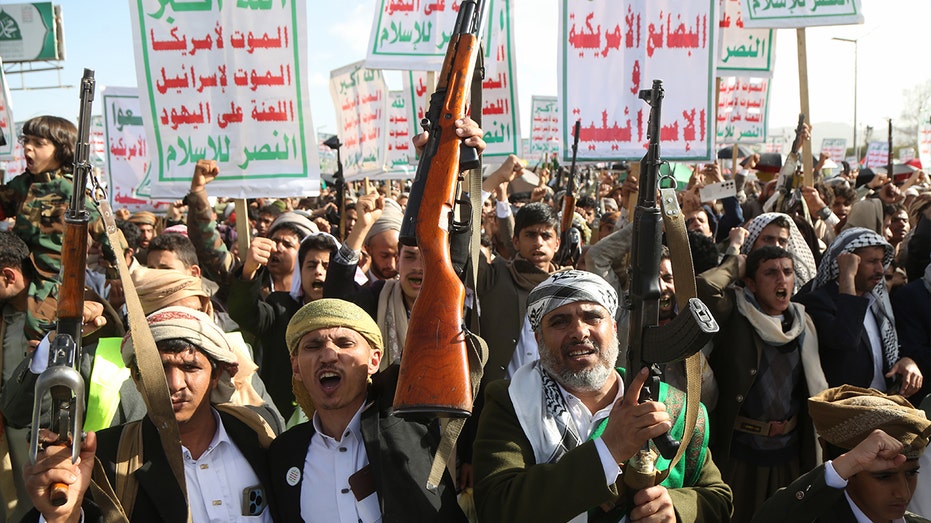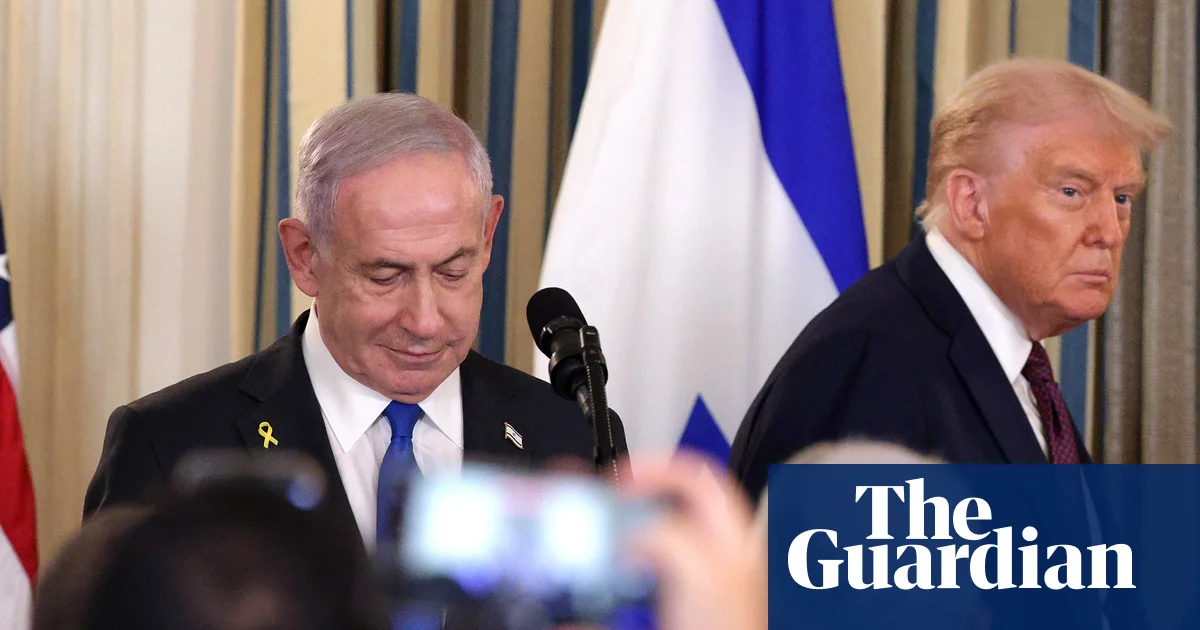
In a striking display of international power dynamics, President Donald Trump alongside Israeli Prime Minister Benjamin Netanyahu recently unveiled a controversial 20-point peace plan targeting the Gaza conflict. This strategic overture, announced amidst a diplomatic backdrop of flags and guarded optimism, signals a significant moment for U.S. foreign policy and Israel’s security calculus. While the plan is portrayed as a “historic breakthrough,” critics and analysts alike question its legitimacy, especially given the conspicuous absence of formal consultation with Hamas. The militant group’s leadership remains largely out of the loop, with officials like Mahmoud Mardawi claiming they haven’t even received the proposal, raising allegations of a top-down approach driven more by regional power plays than genuine peace negotiations.
The blueprint calls for an immediate ceasefire, the exchange of hostages, a phased Israeli withdrawal from Gaza, and the disarmament of Hamas—a move that could shift the regional playing field. Trump’s inclusion of a “Board of Peace,” headed by himself and featuring figures like former UK Prime Minister Tony Blair, exemplifies an unprecedented push for international oversight, potentially sidelining existing Palestinian political structures. This has sparked fierce debate about how such a plan might reshape the geopolitical landscape—effectively replacing traditional Palestinian authority with a new governance model under Western oversight. Governments and observers warn that such a move risks inflaming tensions further, with many wary that it may deepen the divide between Palestinians and the broader Arab world, echoing historical warnings from scholars like Noam Chomsky on Western interventions.”
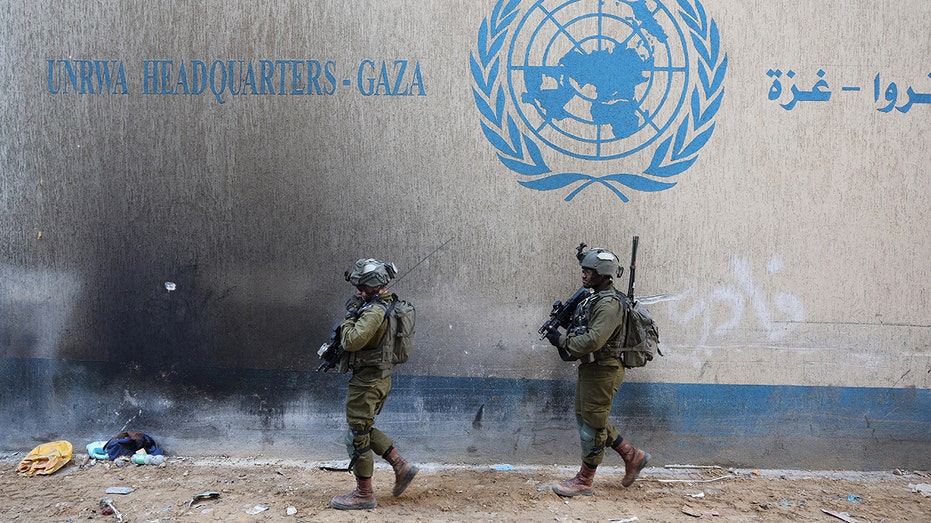
Meanwhile, Netanyahu’s firm stance on the situation underscores Israel’s unwavering desire for preemptive security. His ominous declaration that “Gaza will be demilitarized” and that Israel will “finish the job” if Hamas refuses peace terms demonstrates the Israeli leadership’s intent to reassert dominance over Gaza, regardless of international objections. The geopolitical impact of these words signals an intent to eliminate Hamas as a political entity, but it also risks igniting a broader regional conflict. This approach has implications beyond Gaza, influencing the stability of neighboring countries and potentially leading to a new level of Middle Eastern volatility that experts warn could engulf the broader region in flames. International organizations like the UN have already voiced concerns about humanitarian consequences, as Israel’s military operations have devastated Gaza’s infrastructure, exacerbating an already dire humanitarian crisis.
As history unfolds, the reintegration of Gaza into the regional and global fold remains uncertain. The absence of Hamas from the peace process raises questions about the future legitimacy of any agreement, and the potential for repeated cycles of violence persists. The shifting alliances, the high-stakes negotiations, and the threat of full-scale warfare cast a long shadow over the Middle East’s stability. With navies and tanks entrenched within Gaza’s ruins and diplomatic channels strained to breaking, the region teeters on a knife’s edge. The world watches as the epic saga of power, resistance, and diplomacy confronts its next chapter—an enduring reminder that history’s most pivotal moments often come not with clarity, but with the deafening weight of uncertainty.”