US Seizes Venezuelan Oil Tanker in Bold Show of Force
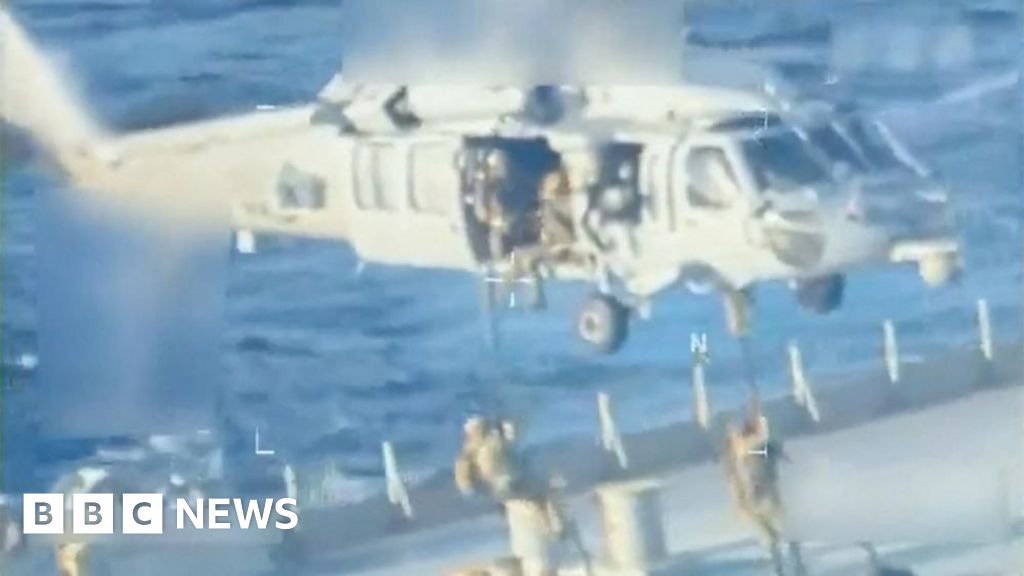
The recent interception of a Venezuelan oil tanker by U.S. forces off the coast of Venezuela signals a significant escalation in the ongoing confrontation between Washington and Caracas. President Donald Trump announced the operation, claiming the vessel was the largest ever seized and was involved in transporting sanctioned oil linked to Iran. This move, under the pretext of cracking down on illegal oil smuggling supporting foreign terrorist organizations, underscores the U.S. administration’s relentless attempt to exert economic and military pressure on the Maduro government. The seizure was a coordinated effort involving multiple agencies, including the FBI, Coast Guard, Department of Defense, and Homeland Security, utilizing assets like the USS Gerald Ford, the world’s largest aircraft carrier, deployed to the Caribbean last month.
Venezuela swiftly condemned the seizure as an act of international piracy, with President Nicolás Maduro asserting that his nation would never accept becoming an “oil colony.” These exchanges are but the latest chapters in a broader geopolitical chess game where Venezuela’s vast oil reserves make it a crucial resource prize for global powers. Historically, analysts warn that such aggressive maneuvers threaten to destabilize regional security and fuel further conflicts, especially as oil prices respond to fears of supply disruptions. The seizure has already impacted global markets, pushing Brent crude prices higher amidst speculation of increased volume restrictions and risks for maritime shippers in the region.
From Sanctions to Seizures: U.S. Strategy and Global Repercussions
The Trump administration’s rejection of Maduro’s government has taken a decidedly aggressive tone, rooted in accusations that Caracas traffics narcotics into the United States. These claims bolster Washington’s narrative of a corrupt regime hell-bent on undermining regional stability. Meanwhile, Venezuela charges that the United States is seeking to loot their resource wealth. Such accusations reflect a broader struggle over resource control, with international organizations warning of the dangerous precedence set by unilateral military actions in sovereign waters. Historians like William Blackstone have long argued that the extension of maritime force outside traditional frameworks risks igniting larger conflicts, a warning that now resonates as the world watches a new proxy battleground unfold in the Caribbean.
- The seizure involved a vessel named Skipper, reportedly flagged under Guyana but accused of falsifying its registry, raising questions about transparency and legality.
- Diplomatic protests erupted from Venezuela, condemning the operation as a breach of sovereignty, with Interior Minister Diosdado Cabello branding the U.S. as “pirates”.
- U.S. officials claim that the operation was aimed at disrupting illicit networks supporting hostile regimes and terrorist groups like Hezbollah and the Quds Force.
Amidst these tensions, President Maduro’s wry response at a rally—singing “Don’t worry, be happy”—underscored the fraught state of U.S.-Venezuela relations. His statement further highlights how diplomacy has become a battlefield of rhetoric, with Caracas viewing American military mobilizations as an infringement on its sovereignty. As the Caribbean becomes a chessboard for geopolitical influence, military buildups and covert operations threaten to ignite a broader regional conflict, with unpredictable global consequences. The world is now witnessing a pivotal moment: a clash over resources, sovereignty, and ideology, where history is not merely being written but forcibly reshaped in real time, leaving nations to grapple with the fallout of decisions that could echo for generations to come.