Samsung’s Privacy Display: A Disruptive Innovation in Mobile Security
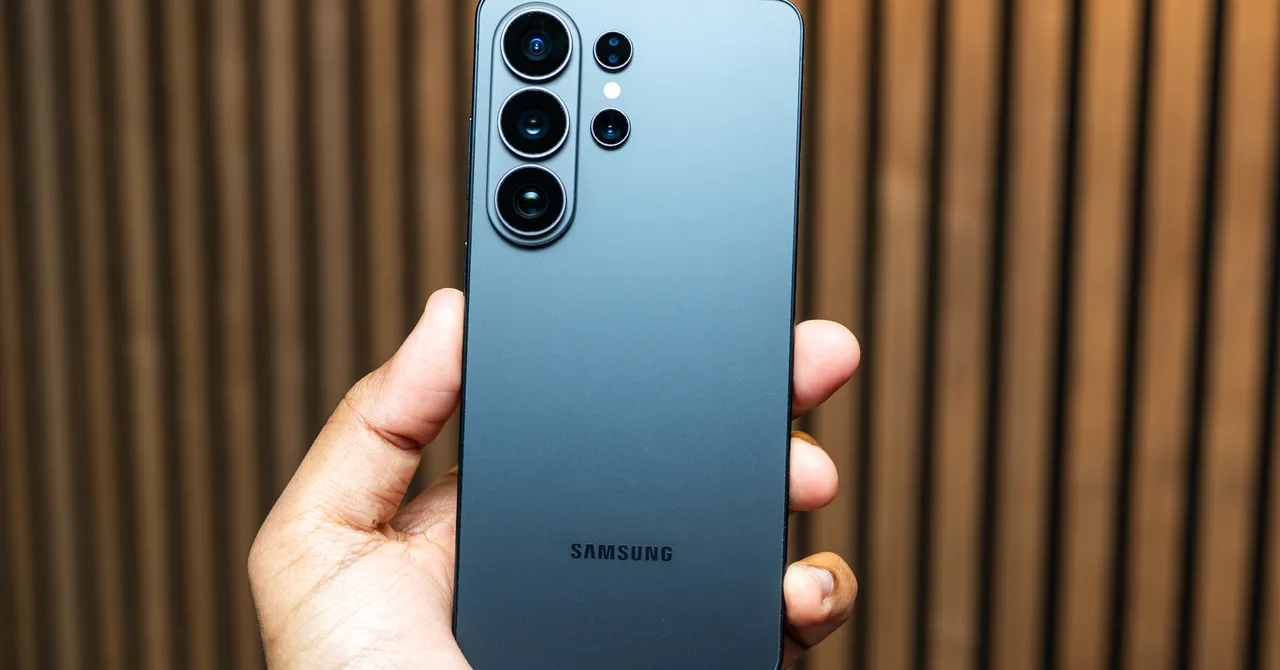
In a move highlighting the ongoing revolution in mobile device privacy, Samsung has introduced an integrated Privacy Display feature that promises to redefine user security and disrupt conventional smartphone design. Unlike traditional privacy filters or static screen protectors, Samsung’s solution leverages software and hardware synergy, providing users with dynamic control over their screen visibility. This innovation is emblematic of the broader industry shift toward user-centric privacy features, a trend underscored by market analysts who stress the importance of privacy in consumer decision-making. Such features could place Samsung ahead of rivals and redefine standards for privacy in the mobile industry.
The Privacy Display offers customizable activation tied directly to select messaging, banking apps, and notifications. When enabled, the screen dims significantly from side angles, thwarting prying eyes without compromising overall usability. For maximum protection, users can activate a “Max Privacy Protection” mode, rendering the screen virtually unreadable from side views—perfect for sensitive transactions or private conversations. Interestingly, unlike traditional privacy screen protectors, Samsung’s approach doesn’t block the user’s own view but instead manipulates the display’s brightness and opacity, allowing for versatile privacy management. While some critics have voiced concerns about possible impact on display quality, early reports suggest that, when configured correctly—such as setting high-resolution displays—these issues are minimal. This demonstrates Samsung’s focus on combining innovation with user experience, setting a new benchmark for mobile privacy solutions.
From a business perspective, Samsung’s integrated Privacy Display represents a significant disruption in the smartphone security landscape. Industry giants like Apple have historically relied on hardware-based privacy measures, but Samsung’s software-driven approach may offer a more intuitive, adaptable alternative—potentially influencing competitors and forcing widespread industry adoption. Tech analyst firms such as Gartner note that privacy features increasingly drive consumer choices, with privacy-centric innovations fueling brand loyalty. This move also links to larger trends in the tech ecosystem, where privacy isn’t just a feature but a core component of product differentiation and user trust—an imperative in an era dominated by data breaches and surveillance concerns. As Fortune 500 companies pivot towards privacy-first policies, Samsung’s strategy signals a potent shift where privacy becomes a competitive advantage rather than an afterthought.
The implications extend beyond user experience and brand positioning. As industry leaders deploy these innovations, we can expect a ripple effect—pushing competitors to develop their own disruptive privacy technologies and reshape the mobile security market. With an increasing number of users demanding control over their personal data, the market for advanced privacy solutions is poised to grow exponentially. Forward-looking experts like Elon Musk and tech entrepreneurs like Peter Thiel emphasize that the next wave of disruption will come from startups and established giants alike, leveraging AI, biometric security, and flexible privacy controls to redefine trust. Samsung’s latest move underscores the urgency for companies to innovate swiftly or risk becoming obsolete in an increasingly privacy-conscious marketplace.