London’s recent incident involving a stabbing in Golders Green has reignited concerns over security, antisemitism, and political stances amid heightened tensions across Europe and beyond. A 45-year-old suspect was subdued by police after stabbing two Jewish individuals, an act now under investigation as terrorism. This event underscores the volatile environment in major Western cities, where local security issues ripple into broader ideological and geopolitical debates.
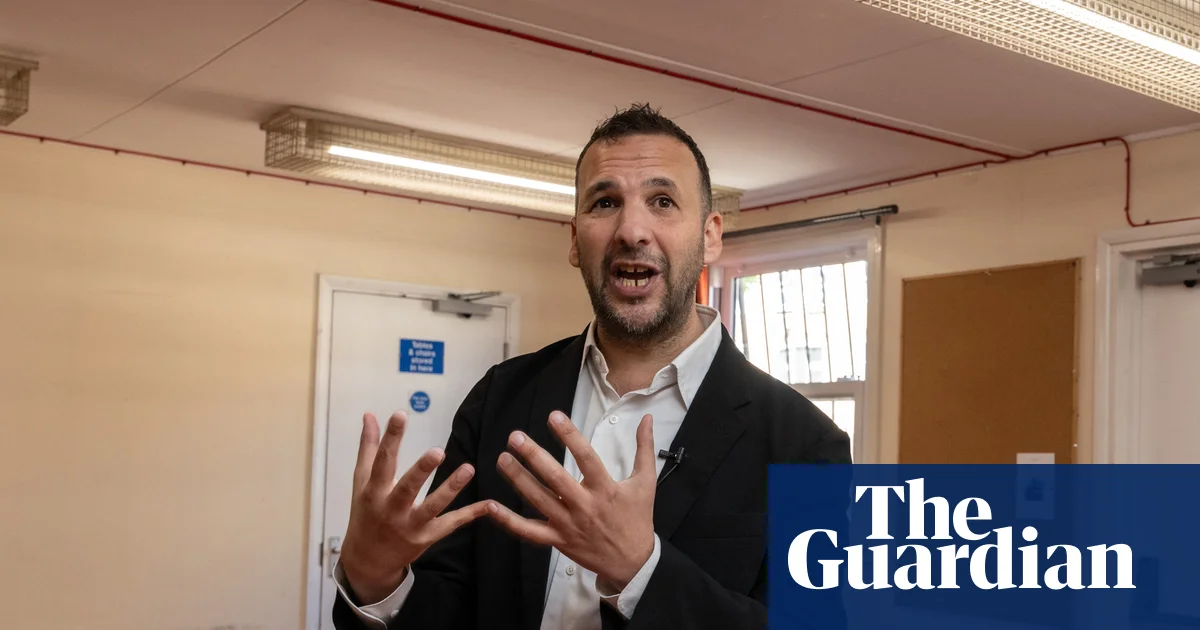
The Metropolitan police quickly responded, arresting the suspect and describing the situation as a clear threat to public safety. Police utilized a stun gun to neutralize the suspect and have since been engaged in discussions with the Crown Prosecution Service about pressing terrorism charges. Such incidents reflect a disturbing trend of targeted violence against minority communities, especially in regions where geopolitical tensions and domestic radicalism collide. However, what has drawn international attention is the politicized response to the police action—particularly the Green party leader Zack Polanski, who retweeted a controversial post alleging misconduct by police officers at the scene.
The retweet, which accused officers of “repeatedly and violently kicking a mentally ill man,” was quickly challenged by London’s police commissioner, Mark Rowley. In a stark warning, he stated that such “inaccurate and misinformed commentary” could have a “chilling effect,” comparing the role of police officers to that of frontline defenders against terrorism. His letter calls for solidarity from political leaders across the spectrum and a united front against antisemitism, emphasizing that public figures should lead by condemning violence and lowering societal tensions. In an era where political narratives can influence security policies and social cohesion, such exchanges serve as a microcosm of larger global struggles.
The incident’s fallout—initially local but rapidly internationalized—has highlighted the ongoing challenge facing Western democracies: balancing civil liberties with security. Analysts warn that politicized narratives surrounding law enforcement actions risk undermining public trust, especially among vulnerable minority groups. The international community, including European security agencies and international human rights organizations, are observing these events as a litmus test for the resilience of democratic institutions amid rising extremism. These organizations emphasize the importance of protecting both public security and free expression, even amidst heated debates.
Meanwhile, this episode underscores a critical moment for Western societies—a reality that decisions made in London, Washington, Berlin, and beyond reverberate across continents. The uncertain political climate is ripe with challenges: rising nationalist sentiments, threats from radical ideologies, and the influence of global conflicts. As historians and geopolitical analysts warn, the capacity for nations to effectively confront these threats while maintaining democratic principles will determine whether society can emerge resilient or fractured. The weight of history presses upon current leaders; each choice echoes in the future until, perhaps, a new chapter is forged—one of unity amidst chaos.