The recent developments surrounding the ceasefire agreement in Gaza mark a pivotal moment on the international stage, poised to reshape the geopolitics of the Middle East. With mediating nations set to sign a binding guarantee in Egypt during an unprecedented summit, the world watches as several key players attempt to forge a fragile path toward peace amid ongoing conflict. Notably, the countries involved—namely the US, Egypt, Qatar, and likely Turkey—highlight the collective effort to stabilize a region historically plagued by instability. This diplomatic choreography underscores the significance of international cooperation, especially as all eyes are now fixed on how these decisions will influence societal shifts across affected nations.
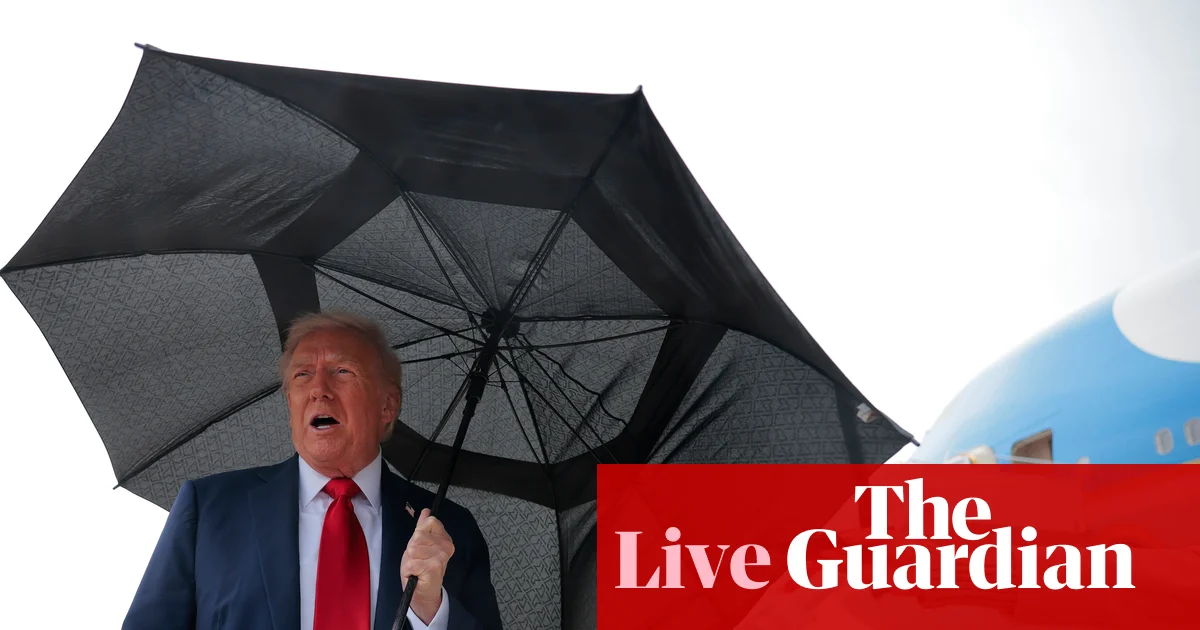
At the heart of the diplomatic surge lies the unfolding drama in Israel, where Prime Minister Benjamin Netanyahu has publicly acknowledged the delicate hope for a new beginning. Yet, underlying this outward optimism are warnings from analysts and historians who caution about the entrenched security challenges that persist. As the ceasefire holds, experts warn that the campaign against militant factions remains far from over. Meanwhile, Donald Trump has left the US for the Middle East, claiming “the war is over” as he boards Air Force One to address the Knesset, further emphasizing U.S. involvement—an intervention that has historically influenced the balance of power in the region for decades. Such moves inevitably stir debates about external influence and sovereignty, affecting societal perceptions worldwide about interventionism, national security, and the prospects of lasting peace.
The human toll of this ongoing conflict remains staggering, with the Gaza health ministry reporting at least 67,806 Palestinians killed and over 170,000 injured since October 2023. The civilian casualties, many of whom are women and children, spotlight the devastating human cost that fuels global concern and complicates diplomatic negotiations. Meanwhile, aid agencies are rushing supplies into Gaza, in line with the ceasefire terms, to quell the humanitarian crisis. But the real geopolitical impact extends beyond immediate relief—these humanitarian efforts are often intertwined with political agendas, influencing international perceptions and, potentially, future resolutions. As Palestinians return to Gaza City amidst widespread destruction, the societal fabric of the region faces a long road toward rehabilitation and reconciliation, with each political act echoing through the battered streets and shattered lives.
In this complex tableau of diplomacy and warfare, the forthcoming peace summit in Sharm el-Sheikh becomes more than just a meeting—it is a defining moment that could pivot the entire narrative of the Middle East. Attended by leaders from more than 20 countries, it aims to seal a lasting ceasefire and set the stage for rebuilding. Yet, skepticism persists among analysts who observe that, historically, such summits often fall short of their lofty promises. As the region waits, and societies brace for uncertainties ahead, the unfolding story remains a testament to the perilous dance of diplomacy, the persistent shadows of conflict, and the weight of history that will decide whether this chapter marks a true turning point or a temporary pause on an unresolved crisis. The struggle for peace, after all, is a marathon—not a sprint—and the world must remain vigilant as history continues to unfold its decisive final acts.