In a world increasingly shaped by fast-paced global trends and digital influences, a fascinating cultural revival is quietly underway across Africa and among diaspora communities. This movement centers around the re-emergence and celebration of traditional attire, which, despite facing some criticism and misunderstood perceptions, is gaining momentum as an expression of identity and social relevance. Recently, such discussions gained media attention after Ghanaian President John Dramani Mahama was seen donning the fugu, a vibrant patterned smock, during a state visit, sparking both mockery and a broader conversation on the significance of cultural clothing in modern society.
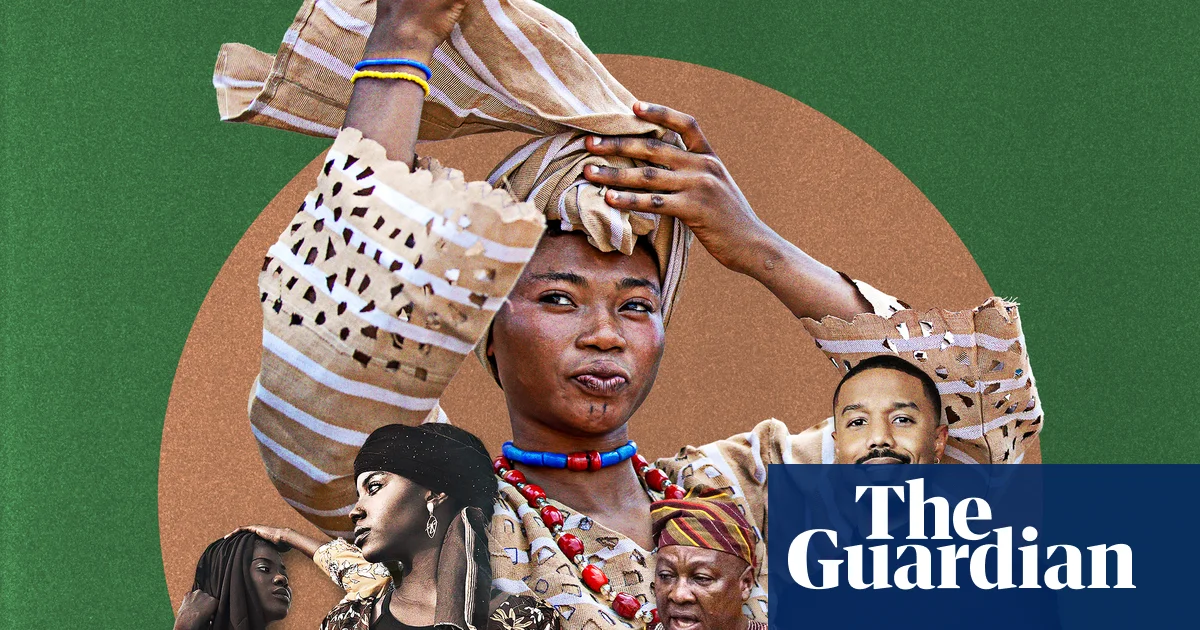
This incident led the Ghanaian government to declare every Wednesday as “Fugu Day”, turning what was initially light-hearted mockery into a national movement. This phenomenon reveals a deeper societal undercurrent — that *wearing traditional dress* is not just about fashion but about anchoring oneself in heritage, asserting cultural pride, and challenging the misconception that tradition equals primitiveness. From Nigeria, Sudan, Morocco, to Senegal, traditional garments like the galabeya, kaftan, and dashiki are transforming fashion norms by blurring the lines between heritage and contemporary style, especially among youth and influencers who are redefining what it means to be culturally authentic in today’s world.
Among younger generations, particularly those living in the diaspora, traditional dress is experiencing a **complex shift**. While some embrace their cultural garments openly, others see them as symbols of old-world association or even stereotypes, which has fueled a form of dress-code ambivalence. As sociologists note, there exists a social divide: older generations view traditional attire as an essential part of their identity, whereas *the younger diaspora* often perceives these garments as *out of place* or even a marker of alienation from Western norms. Yet, paradoxically, dynamic influencers and designers are turning this narrative on its head, promoting traditional clothing with contemporary cuts, sustainable fabrics, and bold prints, positioning it squarely as a *trend that’s both authentic and fashion-forward*.
Notable figures like Michael B. Jordan sporting dashikis on red carpets exemplify how traditional aesthetics can be seamlessly integrated into the Western fashion scene, challenging the long-held notions of what ‘acceptable’ dress entails. Meanwhile, *cultural commentators and fashion analysts* argue that the rise of traditional wear is a form of *cultural resistance*—a statement of independence against the dominance of synthetic, muted palettes that often dominate Western fashion. As these garments regain prominence, questions swirl around the **social relevance** of dress codes that once divorced cultural symbols from everyday life. Now, traditional attire is being *mainstreamed* into youth culture, social media campaigns, and even political statements, fueled by influencers, musicians, and creatives who advocate for *authenticity over assimilation*.
However, amidst this wave of cultural resurgence, the **next big question** looms: Will this embrace of traditional dress lead to a more profound societal shift toward *cultural pride and diversity*, or is it just another trend that will fade into the digital ether? Or perhaps, as some sociologists suggest, it is pointing to a future where *multiple identities are not mutually exclusive* but coexist as part of a broader, more inclusive cultural narrative. As we witness this lively dance between tradition and modernity, one thing remains clear — the future of fashion and identity lies in whether we choose to *celebrate our roots* or risk losing sight of what makes us distinctly cultural beings.