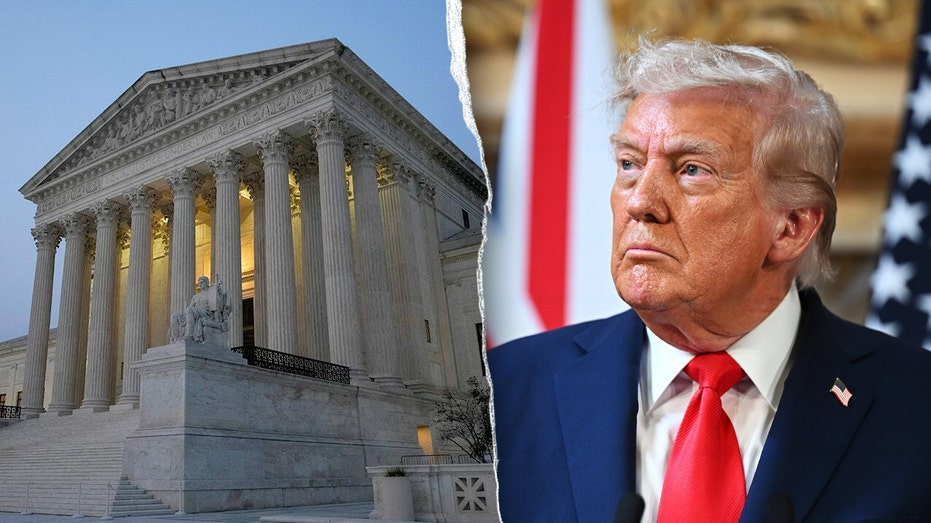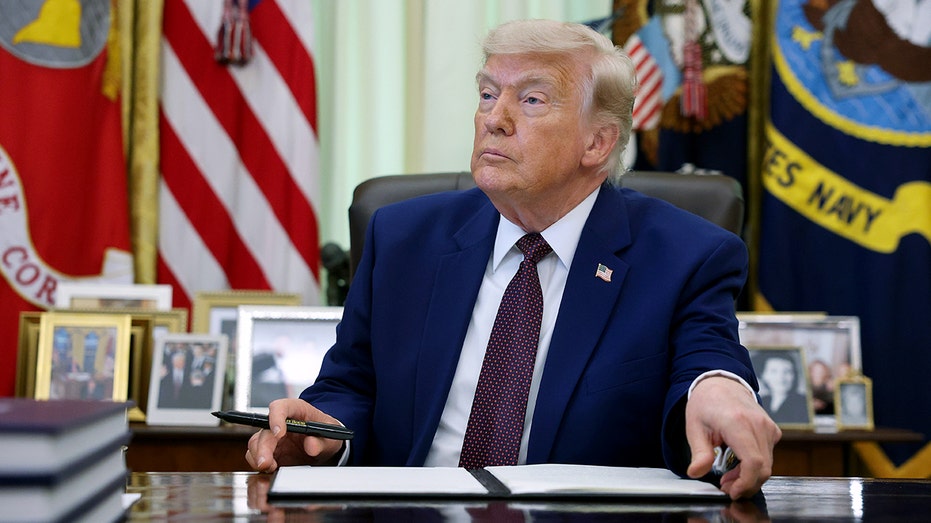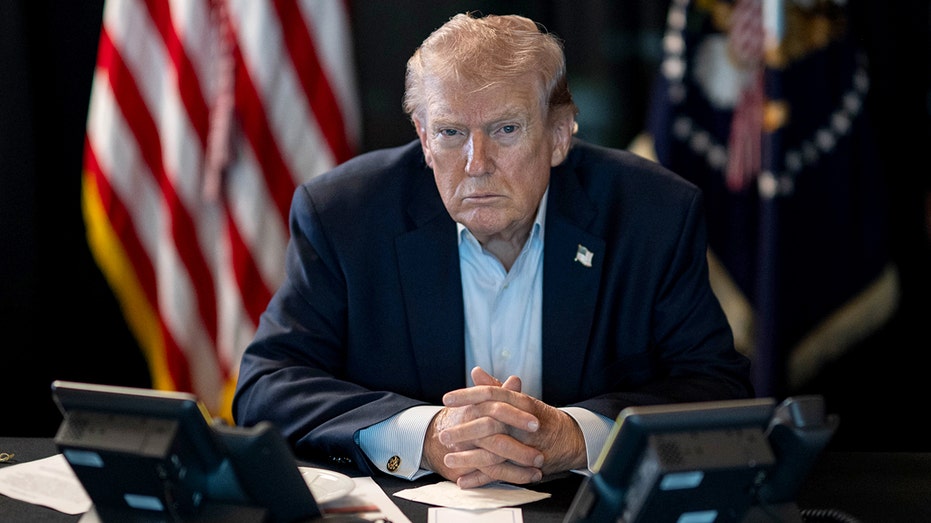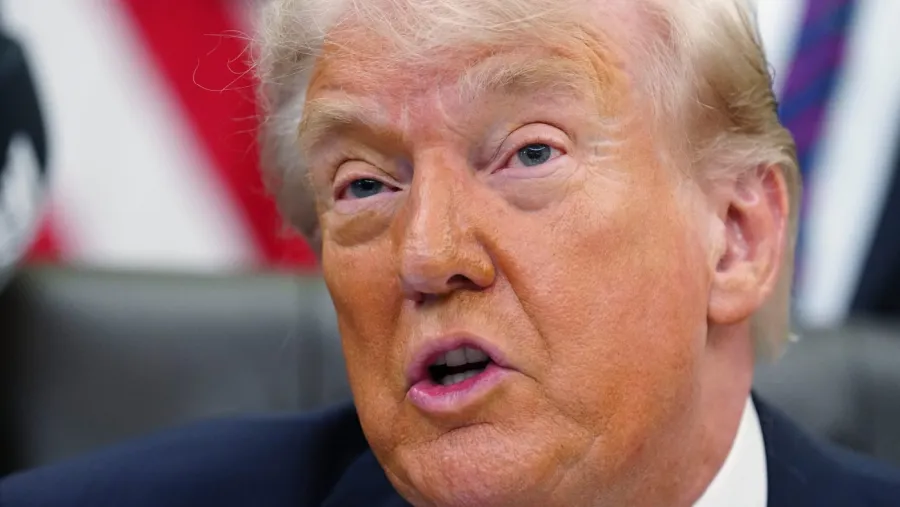
In an era marked by relentless power struggles and geopolitical chess, the recent reports suggesting that the United States and Iran are nearing a potential peace deal serve as a stark reminder of how decisions made in the corridors of power can reshape (or threaten to reshape) global stability. President Donald Trump has signaled a hardline stance with a blunt warning, suggesting that failure to reach an agreement will result in severe military action. His statement, posted on Truth Social, made it clear: “If they don’t agree, the bombing starts, and it will be, sadly, at a much higher level and intensity than it was before.” Such rhetoric underscores how America’s political elite view Iran’s nuclear ambitions not merely as a regional concern but as a direct existential threat requiring decisive, even brutal, responses.
Historically, U.S. policy towards Iran has oscillated between engagement and confrontation, often reflecting internal power struggles within Washington’s political apparatus. The current discourse exemplifies how the stakes are not only about diplomacy but about the very nature of American assertiveness. The administration’s push for a deal aligns with a broader strategic calculation: either leverage diplomacy to contain Iran’s influence or risk a precipitous escalation that could drag the Middle East into chaos. The use of aggressive rhetoric by Trump, reminiscent of the confrontational tone during his previous tenure, signals a desire to reassert America’s dominance on the global stage. Such decisive declarations are rooted in a worldview popular among conservative hawks, who see militarism as a necessary tool to project strength and uphold national interests.
Meanwhile, the public debate over the potential treaty exposes the underlying conflict between diplomacy and military intervention. Legislative and constitutional experts scrutinize whether Biden’s diplomacy can be sustained without forcing a confrontation that could spiral out of control. Historically, this mirrors moments when executive authority was wielded either to de-escalate or to escalate tensions — reminiscent of Cold War crises where timing, perception, and power dynamics dictated the course of history. In this context, the choices made today could either usher in a period of détente or plunge the region into an intensified conflict that redefines regional power balances. The primary question remains: will diplomacy prevail, or does the shadow of military force dominate decision-making?
Amid the underpinning power struggles, one thing remains clear: how these decisions are made directly impact the people. The citizens of Iran, the United States, and the broader Middle East shoulder the consequences of each diplomatic shift or military threat. As political theorists like Machiavelli have long argued, power is the ultimate arbiter of human fate. The current episode of high-stakes negotiation underscores this truth — where the diplomatic stage is often a battleground for control over history’s narrative. Ultimately, as the world watches, the future will be written by those wielding the most decisive power, leaving no doubt that in the arena of geopolitics, destiny is a commodity fought over with every policy enacted and every rhetorical assault launched.