In a rapidly evolving landscape of geopolitical tensions, the Middle East remains a nucleus of conflict and strategic recalibration. Reports depict an intensification of Iran’s relentless campaign of retaliation against regional and global powers, exacerbating the already fractured stability of the area. Iran’s recent deployment of thousands of drones and missiles, particularly targeting Gulf states and US strategic assets, signifies a decisive shift in regional warfare tactics—one that has caught many international observers off guard. Historical analysts from institutions like the Council on Foreign Relations warn that Iran’s symbiotic relationship with newly manufactured drones and the transnational nature of its attacks threaten to ignite a broader, more destructive regional conflict.
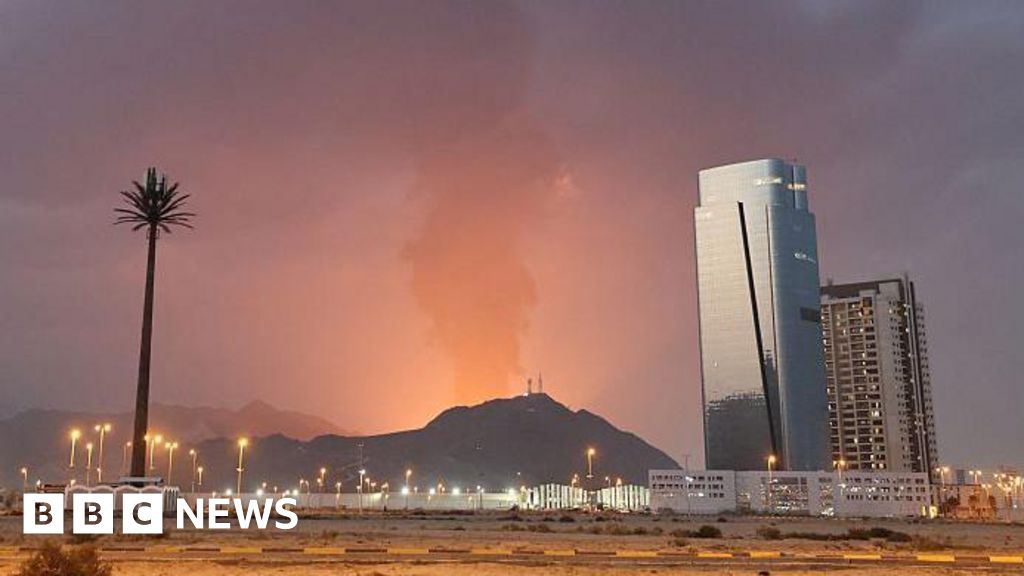
The escalating conflict has seen Iran launch over 1,800 missiles and drones at the UAE, Iran’s ports, and even Iranian infrastructure, disrupting the regional order. With Iran claiming the US exploited strategic ports in the UAE for offensive strikes, and Iran’s warning for evacuations in three major ports, the risk of an all-out confrontation has become alarmingly palpable. Notably, Iran’s use of Shahed drones, originally pioneered for asymmetrical warfare like in Ukraine, now embodies a new era of less costly, high-impact weapons—one that Russia has adopted and that threatens global maritime trade routes. This wave of attacks underscores the strategic shift away from traditional military confrontations toward a decentralized, drone-centric battlefield, which keeps Western powers on the back foot while emboldening Iran and its allies.
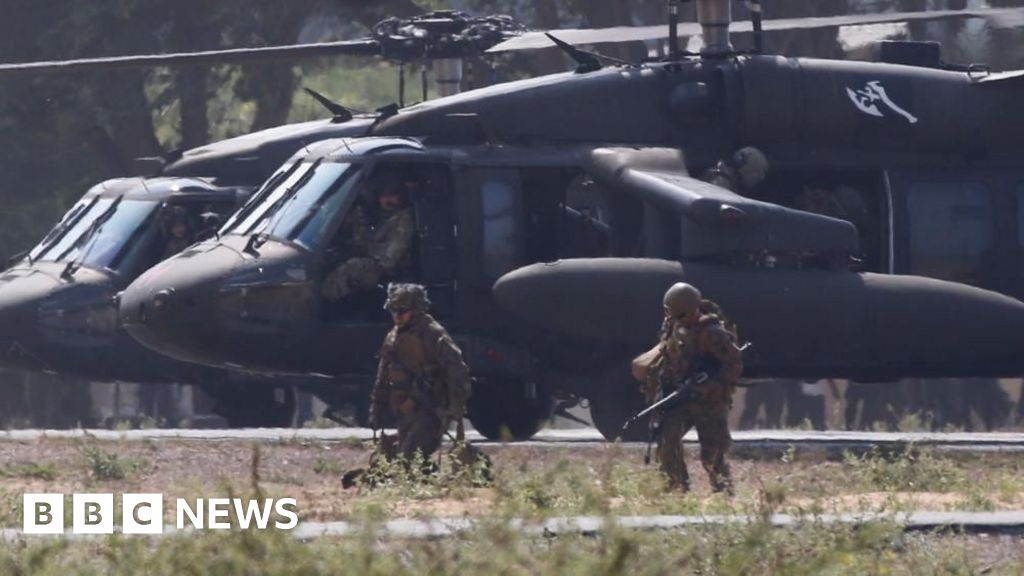
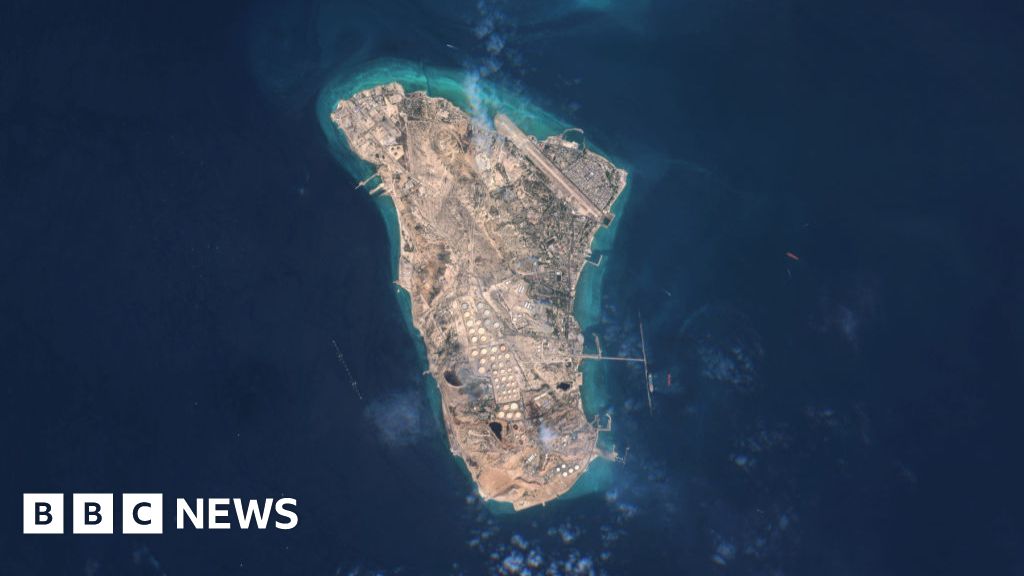
Meanwhile, the United States under President Donald Trump has doubled down on military assertions, with claims of “decimating” Iran’s Kharg Island oil hub and promising to assist international partners in safeguarding the Strait of Hormuz. Trump’s rhetorical escalation, calling for “help” from allied nations and emphasizing US military dominance, reflects an increasingly confrontational stance that many foreign analysts describe as a gamble with global repercussions. Despite efforts from some Middle Eastern allies to initiate diplomatic negotiations, the Trump administration rebuffs such appeals, suggesting that the US perceives Iran’s campaign as a clear assertion of power that must be countered decisively. Critics warning from the United Nations highlight that such military escalation risks destabilizing the entire international energy system, with the potential for the Middle East to descend into a broader, devastating conflict.
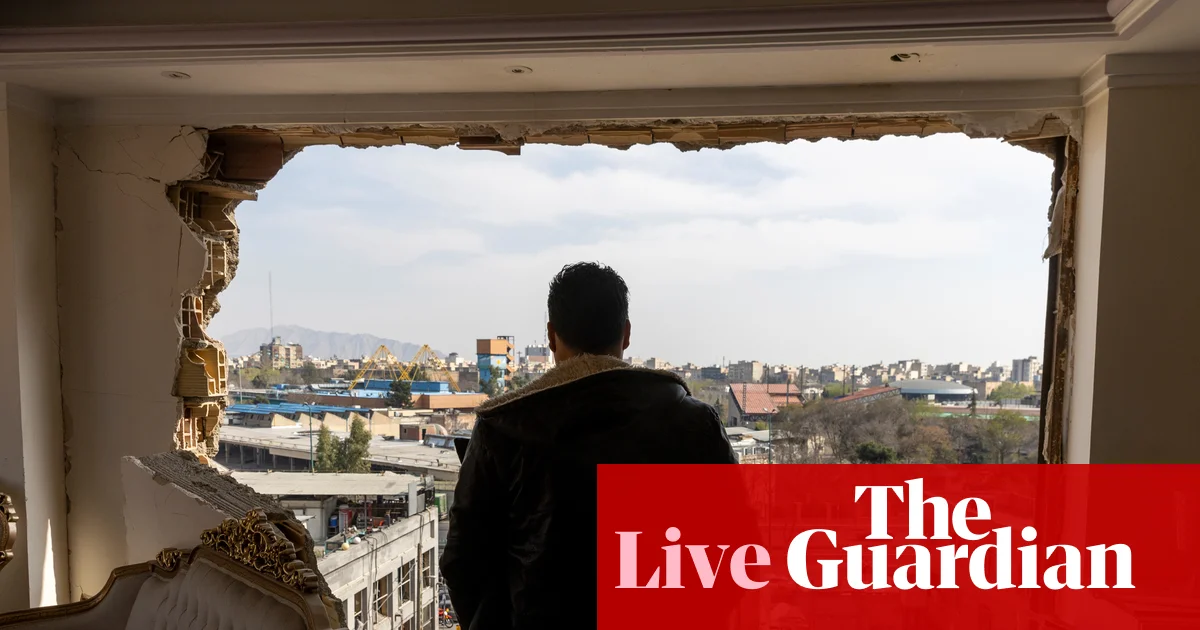
As the chaos spirals, the geopolitical impact of these developments will ripple across societies and economies worldwide. The interruption of major oil routes, the destruction of infrastructure, and the fragmentation of diplomatic efforts threaten to push global markets into turmoil. The decision by the UK to deploy mine-hunting drones, and reports of NATO allies contemplating further military measures, reveal how the crisis is transitioning toward a near-permanent state of conflict. History’s witnesses warn that modern warfare’s new face—centered on drone technology and cyber warfare—may redefine what it means to be at war, leaving future generations to navigate the shadows of unending conflict, where peace remains elusive and the echoes of destruction resound across nations.