Australia Navigates Middle Eastern Turmoil Amid Geopolitical Shifts
As international powers scramble in the aftermath of recent military strikes against Iran, Australia finds itself caught in a precarious position within a rapidly evolving geopolitical landscape. While Canberra explicitly refuses to deploy ground troops into Iran, its willingness to provide logistical and military support—albeit within tight boundaries—underscores the complex balancing act facing allied nations amid the escalating U.S.-Israeli coordinated strikes and Iran’s retaliatory missile and drone attacks.
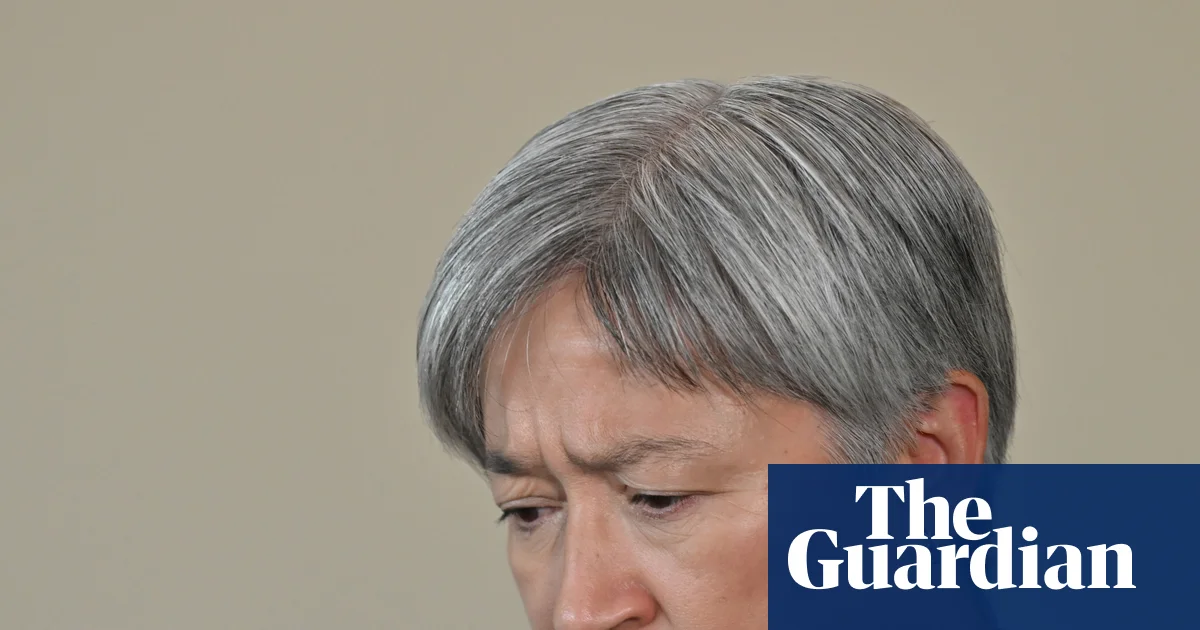
The Australian government, under the stewardship of Foreign Minister Penny Wong, has confirmed that it received requests for assistance from regional allies threatened by Iran’s mounting assaults. Nine flights have already evacuated Australians from the volatile Middle East, with additional flights scheduled, and hundreds have been bussed out of Qatar to nearby countries. Wong clarified that Australia is prepared to work through assistance measures targeted at defending the Gulf nations, but remains firm in its stance against offensive action—rejecting any deployment of combat troops into Iran and emphasizing adherence to a defensive posture instead. This position aligns with Australia’s broader policy of maintaining strategic independence, avoiding entanglement in regional conflicts that could draw its military into direct combat.
The geopolitical impact of such decisions is profound. Analysts note that Australia’s cautious approach seeks to preserve its international reputation while avoiding the pitfalls of overcommitment favored by some Western allies. Countries with a history of military intervention, like the United States and United Kingdom, have long debated the efficacy of troop deployments in volatile regions, but Australia—especially under current Prime Minister Anthony Albanese—has emphasized diplomatic and logistical support as the middle ground. Yet, this careful balancing act is increasingly scrutinized by critics who warn that the current trajectory risks aligning Australia too closely with US-led military endeavors, potentially dragging it into broader conflicts that serve geopolitical interests beyond national security.
International organizations and historians warn of the long-term consequences of this violent chapter. The United Nations has called for restraint, underscoring the danger of escalating a regional conflict into a wider world crisis. Veteran geopolitical analysts interpret Australia’s role as indicative of a broader trend: western nations are recalibrating their military priorities, emphasizing indirect support over direct engagement. Meanwhile, the ongoing conflict continues to reshape regional alliances, with Saudi Arabia and other Gulf states increasingly looking towards alternative power brokers, wary of the US’s militarized approach. As history reminds us, the decisions made today will echo through generations, shaping the fabric of international stability—or chaos.
In the shadows of this unfolding crisis, the weight of history presses heavily on the shoulders of modern leaders. With each missile launched and flight undertaken, the delicate chess game of geopolitics intensifies—drawing societies ever closer to the brink of chaos or stability. While Australia seeks to maintain a measured stance, the broader geopolitical impact leaves an undeniable imprint: a reminder that, in the theater of global conflict, the lines between diplomacy and war remain perilously thin, and the choices of today could determine the course of history for decades to come.