Geopolitical Turmoil in the Middle East: A Crisis Unfolding
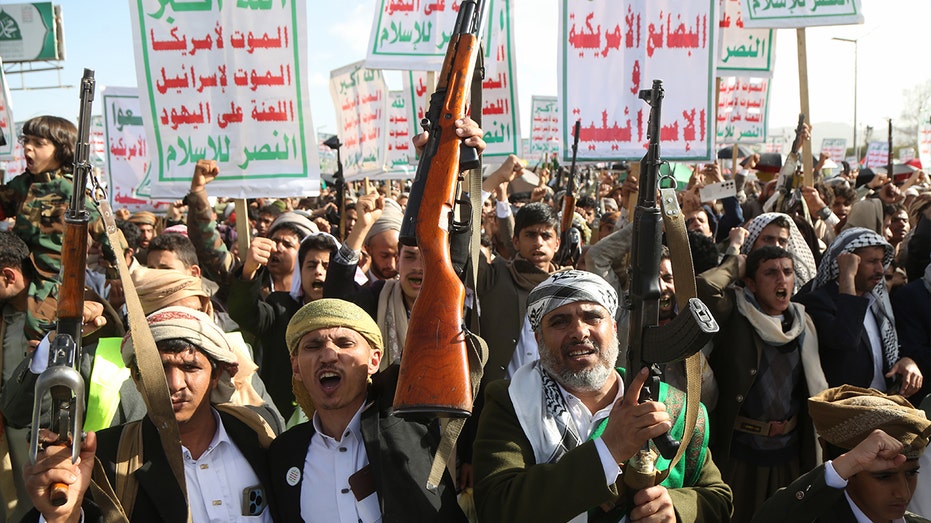
The Middle East stands at a crucial crossroads as a series of escalating conflicts threaten regional stability and global security. The recent outbreak of violence, primarily driven by the US-supported Israel campaign against Iran, has drawn widespread international concern. Reports indicate that over the past week, a cascade of military actions, missile exchanges, and targeted strikes have pushed the region into chaos, with far-reaching consequences for nations involved and societies across the globe.
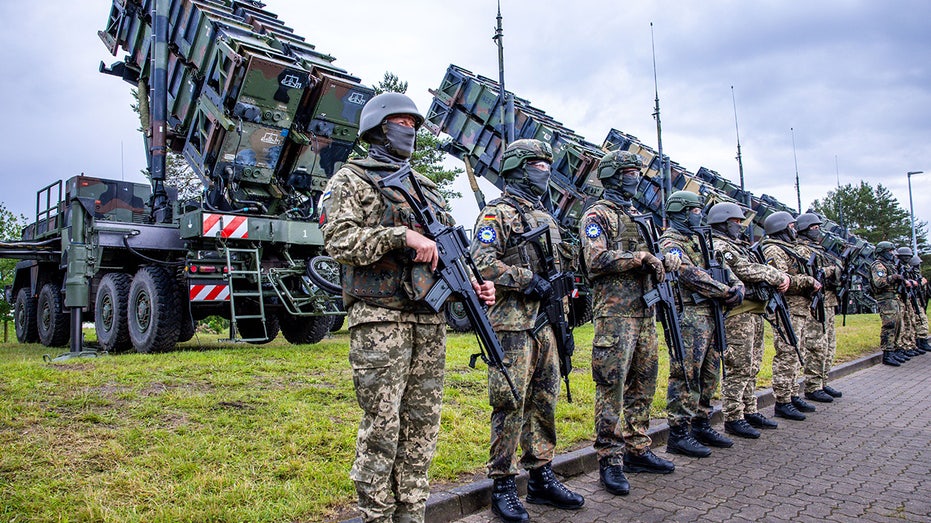
The initial spark was the aggressive clearance of Iranian targets by Israeli forces, ostensibly aiming to weaken Iran’s military capacity. Israeli airstrikes across southern Lebanon and the Iranian capital of Tehran have resulted in significant destruction, including fuel storage complexes and military command centers. The Israeli military reported it targeted “several fuel storage complexes” and “key commanders” of the IRGC’s Quds Force, which, according to analysts, signals a direct confrontation with Iranian paramilitary elements. Meanwhile, the US has embraced a hawkish stance, with President Trump declaring that Iran is being “decimated,” though he refused to rule out the deployment of ground troops, amplifying fears of an open-ended regional conflict.
International Responses and Shifting Alliances
Global reactions have been sharply divided amid the turmoil. China, a prominent regional power and strategic competitor of the United States, has condemned the conflict, stating “the war should never have happened” and warning that the world must avoid returning to a punitive “law of the jungle.” Wang Yi, China’s foreign minister, explicitly called for an end to military actions, emphasizing the need for diplomatic solutions. This stark opposition underscores the geopolitical impact of the crisis, as Beijing positions itself as a defender of multilateral diplomacy against unrestrained military escalation.
Conversely, America and Israel continue their assertive stance. Donald Trump, through social media, suggested that more Iranian officials would be targeted, with explicit warnings that “Today Iran will be hit very hard.” Reports indicate ongoing discussions between the US and Israel over deploying special forces to seize Iran’s highly enriched uranium stocks, a move that could escalate the conflict into a full-on war of attrition. The US has also been critical of their traditional allies, explicitly warning the UK for its delayed support, threatening to remember their perceived slights amidst this global chaos. The stakes are now higher than ever, with the possibility that this conflict could extend into years, shaping the future of international power dynamics.
Regional Strife and Societal Consequences
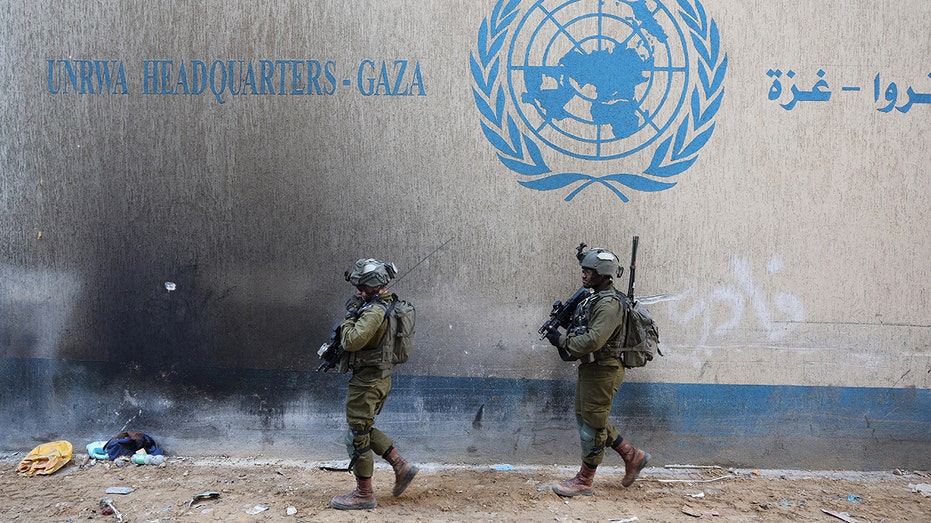
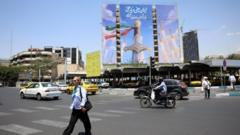
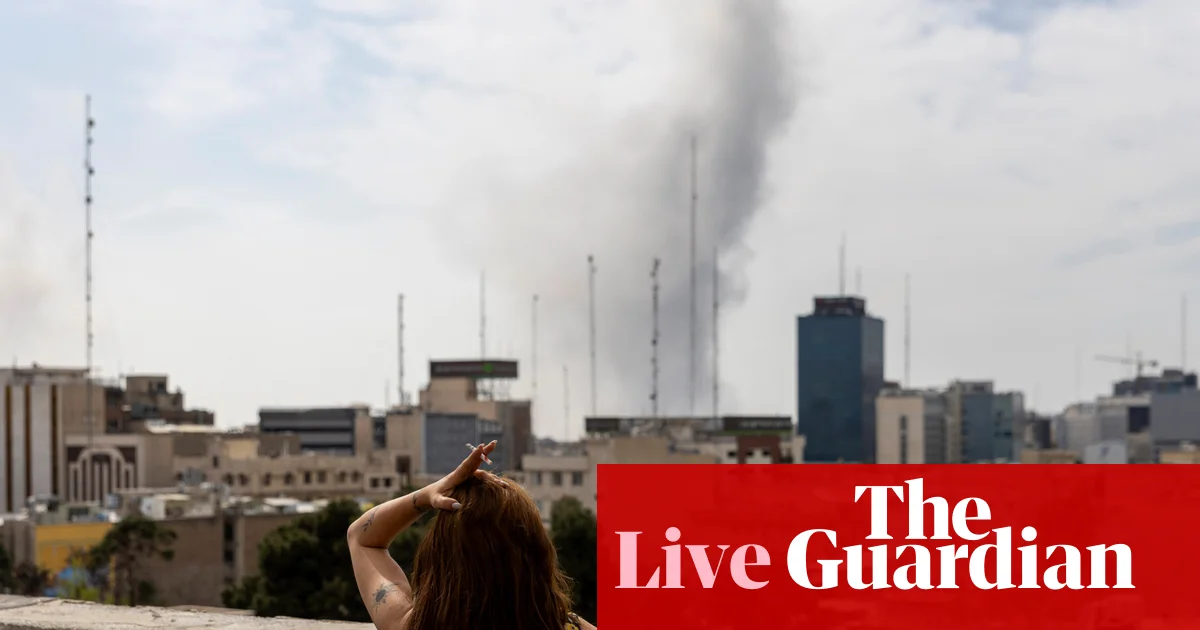
Beyond the political arena, the human toll is unmistakable. Iranian officials have claimed their military can sustain an indefinite war effort, but the reality for civilians is dire. Residents of Tehran report widespread fires and smoke blanketing the city, unable to escape due to ongoing attacks. In Lebanon, Israeli strikes have hit areas near Beirut, resulting in casualties and damage to critical infrastructure. Inside Kuwait and other Gulf nations, reports of missile and drone attacks and the death of border guards highlight the interconnected nature of regional conflicts and the threat to vital economic and strategic assets in the region. These developments threaten to ignite other conflicts and destabilize already fragile nations, creating a volatile powder keg that could ignite at any moment.
As the region teeters on the brink of wider confrontation, the international community finds itself at a critical juncture. The Australian, European, and Middle Eastern analysts warn that unchecked military escalation risks unleashing a new era of instability, reminiscent of Cold War-era proxy conflicts. The weight of history presses heavily on global shoulders as diplomacy is increasingly strained, and the path toward peace appears murky and uncertain. It is a moment that demands sober judgment, yet the tumult suggests a narrative unfolding with no clear end in sight—a story written in smoke and fire, shaping the contours of a tumultuous new world order.