Apple Delays Launch of Revolutionary HomePod with Integrated Screen and Robotics-Driven Devices
In a significant pivot within the smart home and consumer device sectors, Apple Inc. has postponed the highly anticipated “HomePod with a screen” from its initial launch window of 2025 to an unspecified fall timeframe. This delay, confirmed by industry leak sources such as X insider Kosutami and echoed by Bloomberg journalist Mark Gurman, signals a strategic hold as Apple recalibrates its entrance into the burgeoning intelligent home market amidst evolving AI and virtual assistant capabilities. The device, which has been shrouded in secrecy, is reportedly a sleek, silver aluminum-cased gadget featuring a 7-inch display, utilizing a custom version of tvOS 27 and powered by USB-C—a clear move to unify its ecosystem under a more flexible port standard.
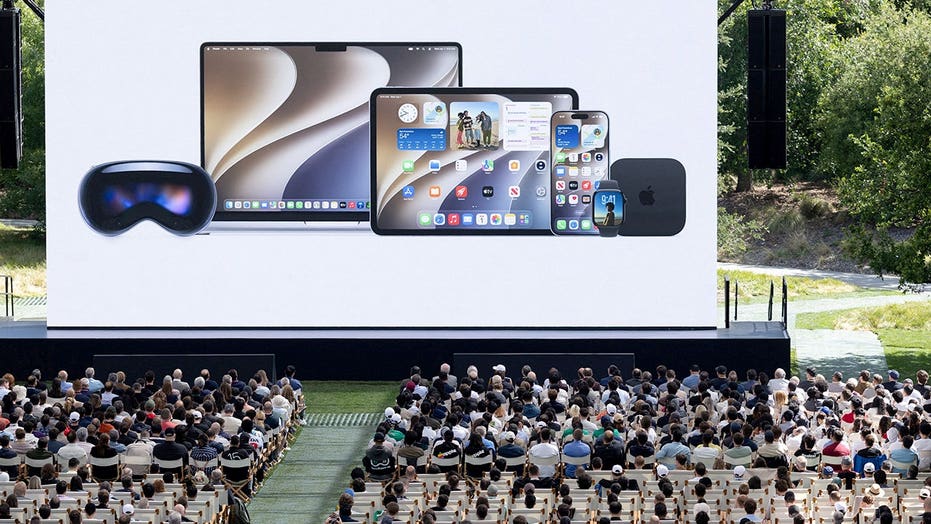
This delay is not isolated but part of a broader, phased rollout of innovative products aimed at disrupting the traditional consumer electronics market. Alongside the HomePod refresh, Apple is also revamping its lineup of smart home products, including a new version of the Apple TV 4K, and a smart home sensor currently in development. These devices are expected to leverage the latest advances in artificial intelligence and machine learning to offer enhanced automation, security, and seamless integration within the Apple ecosystem. The upcoming devices are anticipated to run on future OS updates—iOS, macOS, and tvOS—set to debut in 2027, aligning with Apple’s broader strategy to position itself as an indispensable hub in every connected home.
The planned introduction of a robot arm-equipped device, initially projected for this year, has now been postponed until 2027, underscoring the company’s cautious approach amid ongoing AI advancements and supply chain considerations. Industry analysts from institutions like Gartner highlight that these disruptions, although initially frustrating, create opportunities for disruptive innovation. Apple’s focus on integrating AI-driven features and hardware versatility could redefine user engagement in smart living spaces, propelling it ahead of competitors like Amazon and Google in the smart speaker and home automation sectors.
The business implications are profound: Apple’s strategy to stagger product launches—covering foldable iPhones, updated software, and smarter home devices—indicates a conscious effort to maximize market impact and maintain exclusivity in a rapidly saturated market. By aligning product timelines with AI and Siri enhancements, Apple is reinforcing its vision to become the central control point for digitally interconnected households.
- Enhanced AI integration for personalized user experiences
- Expansion into sensors and automation for smarter homes
- Continued ecosystem lock-in to boost hardware and service revenue
Such moves collectively underline a broader industry shift towards disruptive innovation—where hardware becomes secondary to end-to-end smart environments driven by AI. As industry experts from MIT to Peter Thiel warn, the next decade will favor companies that can rapidly iterate on AI-powered hardware while maintaining ecosystem lock-in, a game-changing power play.
Looking ahead, the postponement of these flagship devices signals both challenges and massive opportunities. Apple’s cautious approach ensures it can deliver polished, AI-driven experiences capable of disrupting entrenched players, but it also presses the urgency for startups and incumbents to accelerate their innovation cycles. As AI continues to evolve from a supportive role to a core strategic asset, the next 12-24 months will be crucial in defining who dominates the smart home and consumer tech landscape—and those who fall behind risk being swept away by the relentless tide of technological disruption.