Turning Points Amidst Escalation in the Middle East
The Middle East is once again becoming the epicenter of international tension, with recent events signaling a dangerous escalation that holds profound geopolitical implications for nations worldwide. From Iran’s vengeful strikes to US and Israeli military actions, the entire landscape of regional security is shifting dramatically. The decisions and actions of global powers continue to ripple across societies and economies, making this an epochal moment in modern history.
Iran’s parliamentary speaker Mohammad Baqer Qalibaf sharply condemned Donald Trump’s threats targeting regional energy and transport infrastructure, asserting that the US is being misled by Benjamin Netanyahu. As tensions mount, Iran’s defense posture has become increasingly aggressive, warning of “much more devastating” retaliation if the US proceeds to attack civilian targets. These warnings underscore the delicate balance of power in the Gulf, where any miscalculation could escalate into broader conflict. International analysts argue that Iran’s recent missile attacks on petrochemical facilities across Kuwait, Bahrain, and the United Arab Emirates are a stark signal that their capacity for damage remains potent, complicating diplomatic efforts.
The United States, under the provocations of President Trump’s incendiary comments, has doubled down on threats to intervene directly in Iran’s waterway, especially the strategic Strait of Hormuz. Trump’s coarse language on social media, calling for the Strait to be opened or risking “living in Hell,” reveals a reckless posture that global leaders and institutions have condemned. The International Maritime Organization has warned of the potential for catastrophe if the Strait remains closed, endangering global oil supplies and economic stability. Meanwhile, Iran’s response has been escalatory, with drone and missile strikes extending to key Gulf nations and an Iranian vessel at Dubai’s Jebel Ali port targeted by revolutionary guards. Such actions threaten to disrupt global energy markets, with crude oil prices opening higher in response, signaling investor fears about an impending conflict that could destabilize global markets for years to come.
Regional Conflagration: Israel’s Military Operations and Political Ramifications
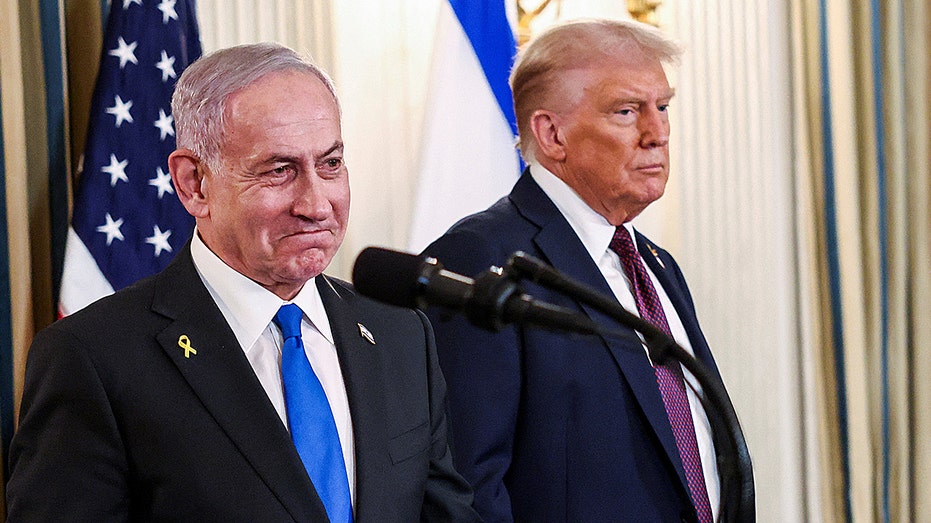
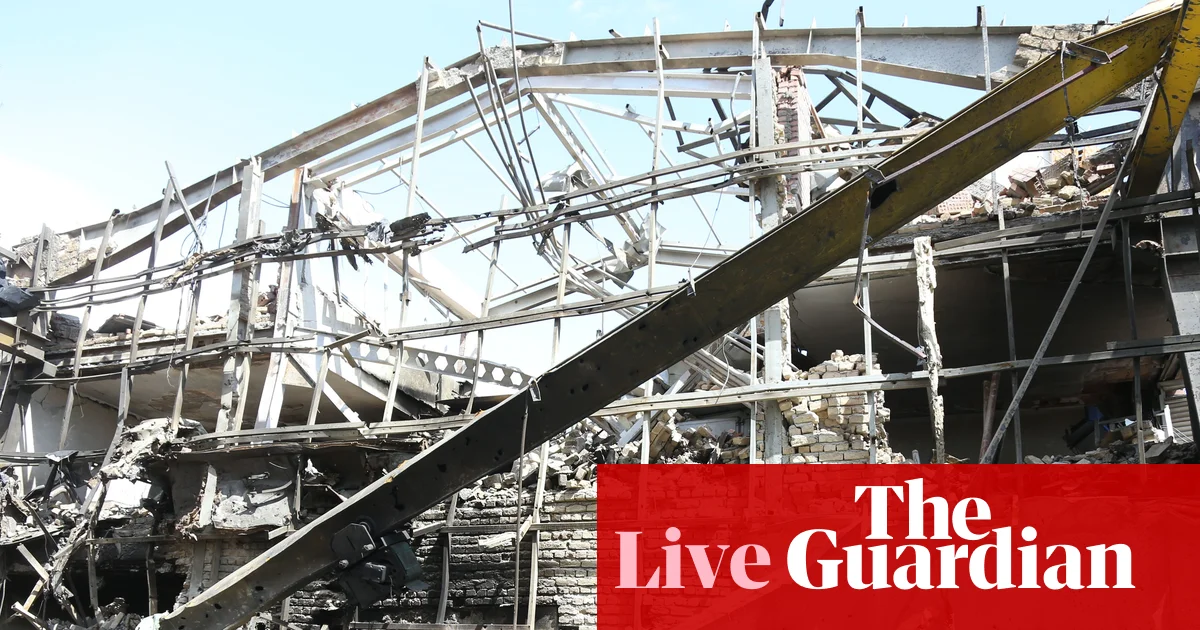
Israel’s military has reported intercepting missiles launched from Iran, with alerts prompting civilians across southern regions to seek shelter. The recent strike on a residential building in Haifa resulted in fatalities and injuries, a stark reminder that the confrontation is painfully personal for Israeli citizens. Israeli Prime Minister Benjamin Netanyahu has publicly boasted of his country’s cooperation in rescuing American personnel, highlighting the covert alliances that are shaping this crisis. Israeli forces have also carried out extensive strikes against “regime targets” in Tehran, aiming to weaken Iran’s military infrastructure. This tit-for-tat escalation risks unleashing unpredictable consequences, with specialists warning that a broader regional war may now be unavoidable.
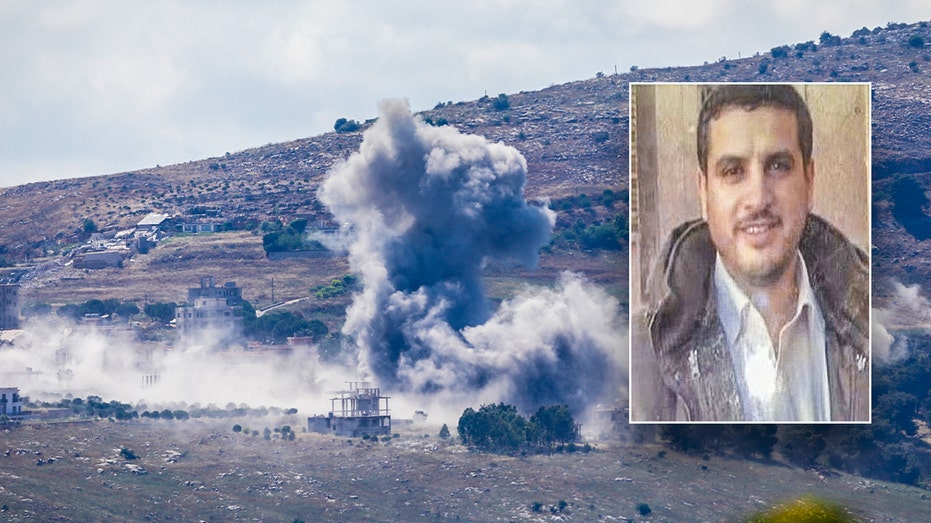
The involvement of Lebanon’s Hezbollah and Iran’s support for militant activities continue to deepen the crisis. Israeli strikes in southern Lebanon have killed at least 15 civilians, intensifying regional hostilities. Meanwhile, Iran’s threats of “devastating and widespread” offensive actions serve as a grim warning that the conflict could spiral into a full-scale regional war with devastating humanitarian consequences. As histories have demonstrated, such escalations threaten not only regional stability but also the global geopolitical order. The voices of cautious diplomacy seem drowned out amidst the smoke and chaos of war, leaving the world watching as history’s next chapter is written.
The Future Unfolding on the Tomb of Uncertainty
As international organizations and independent analysts weigh in, the question remains: will cooler heads prevail, or are we witnessing the first sparks of a new Middle Eastern epoch that could reshape the 21st century? The choices made in the coming days will determine whether this crisis will subside into open conflict or accelerate into a domino effect of violence that could threaten to engulf multiple nations. The echoes of history remind us: the ink of diplomacy must not be overshadowed by the flames of war, yet the current path seems increasingly lined with the smoke of destruction. In this unfolding saga, the world stands at a crossroads—where the weight of history reminds us that each decision holds the power to forge a new chapter or ignite irreversible chaos.